


Festival Fever: The Comprehensive Traveler’s Handbook to the World’s Most Spectacular Cultural Celebrations
Why Chase Festivals? The Rewards of Festival Travel
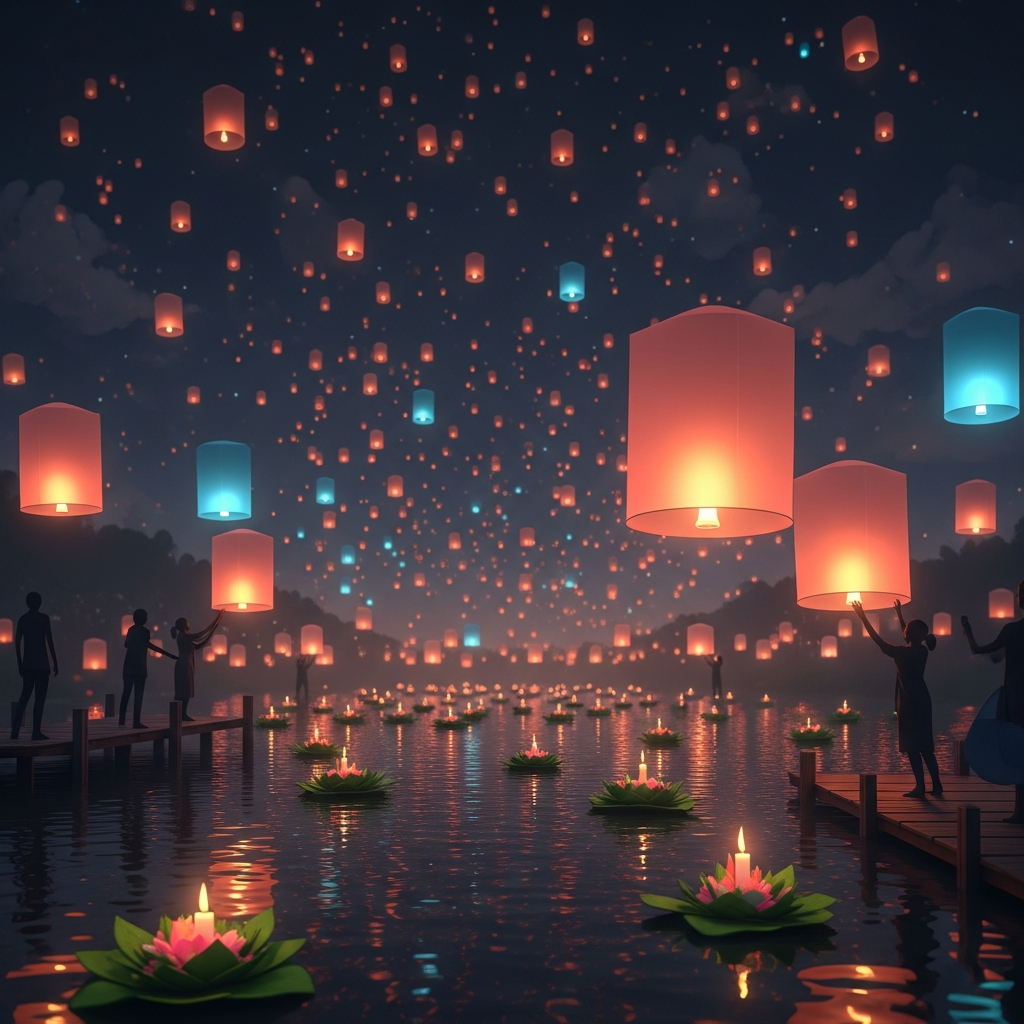
From the neon-lit lantern skies of Taiwan to the rhythmic samba parades of Brazil, festivals offer an unforgettable glimpse into a destination’s soul. These immersive events go beyond mere entertainment—they are living, breathing expressions of community identity, history, and artistry. Whether you’re an intrepid solo explorer, a budget-conscious backpacker, or a family seeking a cultural adventure, this guide arms you with the research methods, budgeting strategies, packing lists, etiquette pointers, and safety protocols you need to experience global festivals confidently and respectfully.
- Cultural Immersion: Witness age-old rituals, from the lion dances of Chinese New Year (source: UNESCO Intangible Cultural Heritage, https://ich.unesco.org) to the floral carpets of Belgium’s Flower Carpet Festival (https://www.visitflanders.com).
- Community Connection: Shared celebrations dissolve language barriers. You’ll bond with locals over communal meals at Diwali feasts in India or Oktoberfest beer tents in Germany (https://www.bavaria.by/oktoberfest).
- Unique Offerings: Many festivals debut limited-edition crafts, ephemeral art installations, or exclusive menus that vanish within days. A case in point: the night markets of Marrakesh come alive during Ramadan with iftar buffets and street performances (https://www.visitmorocco.com).
- Photography and Storytelling: From powder explosions at Holi to candlelit vigils during Día de los Muertos, festivals deliver picture-perfect moments and narrative depth that no DSLR or notebook can fully capture.

Section 1: Research and Timing—The Roadmap to Festival Success
1. Pinpoint Dates and Calendars
- Solar vs. Lunar Timing: Festivals like Chinese New Year, Easter, and Islamic Eid shift annually. Use reliable resources such as TimeAndDate.com (https://www.timeanddate.com) to track shifting schedules.
- Multiday vs. One-Day Events: Rio Carnival spans nearly a week, whereas La Tomatina in Buñol, Spain, is a one-afternoon affair (official site: https://latomatina.info).
2. Official Sources and Local Blogs
- Government Tourism Boards: Many countries maintain dedicated festival pages, e.g., Australia’s Culture Portal (https://www.australia.gov.au/about-australia/australian-story/festivals) and Canada’s Destination BC (https://www.hellobc.com/festivals).
- Community Insights: Local expat blogs and city-specific travel forums on Reddit or TripAdvisor often share insider tips on transport, restroom access, and crowd-avoidance hacks.
3. Book Early—Accommodations and Tickets
- Peak Demand: Hostels, guesthouses, and home-shares near festival grounds can sell out 6–12 months in advance.
- Alternative Lodging: Consider agritourism stays, monastic guesthouses (in regions like Spain’s Camino de Santiago), or camping options if the festival site allows it.
4. Off-Peak Alternatives
- Pre-and Post-Festive Events: Smaller parades, local workshops, and dry runs occur days before and after major festivals—offering authenticity with fewer crowds and lower prices.
Section 2: Budgeting Your Festival Adventure
1. Breakdown of Costs
- Transportation: Advance-purchase airline tickets, Eurail passes in Europe (https://www.eurail.com), and regional bus cards (e.g., Japan Rail Pass at https://www.japanrailpass.net).
- Lodging: Beyond hotels—consider Couchsurfing, university dorm rentals during summer breaks, or Airbnb shared rooms.
- Festival-Specific Fees: Costume or mask rentals for Venice Carnival, guided temple access at India’s Maha Kumbh Mela (https://www.kumbhamela2019.in).
2. Money-Saving Tactics
- Early-Bird Deals: Many festival organizers release discounted packages months ahead.
- Group Discounts: Traveling with friends often unlocks lower per-person rates. Some events offer “group of 5” or “family” ticket bundles.
- Meal Planning: Street food circuits and food-hall hopping can be cheaper than sit-down restaurants. Apps like EatWith (https://www.eatwith.com) connect you to home-cooked festival menus.
3. Contingency Funds
Always pad your budget by 15–20% for emergencies, additional activities, or spontaneous upgrades such as VIP lounge access.
Section 3: Packing Essentials—Gear Up for Every Scenario
1. Essentials Kit
- Clothing: Breathable, moisture-wicking layers for hot days; lightweight jackets for cooler evenings. Festivals like Burning Man require dust-proof goggles and bandanas (https://burningman.org).
- Footwear: Supportive walking shoes or trail runners—avoid brand-new pairs to prevent blisters.
- Tech: Portable chargers with at least 10,000 mAh; waterproof phone pouches if water fights or monsoon rains are expected; universal travel adapter (https://www.worldstandards.eu).
2. Festival-Specific Add-Ons
- Color-Safe Gear: For paint festivals such as India’s Holi or Spain’s San Fermín, bring a quick-dry towel, scrunchable raincoat, and dye-resistant fabrics.
- Cultural Tokens: Small gifts like locally made handkerchiefs, beads, or cloth swatches make great ice-breakers when meeting community leaders or hosting families.
3. Health and Hygiene
- First Aid Kit: Band-Aids, antiseptic wipes, blister patches, pain relievers, and any prescription medications.
- Refillable Water Bottle: Look for one with an integrated filter if you’re uncertain about tap water quality (e.g., LifeStraw Go, https://lifestraw.com).
Section 4: Etiquette and Cultural Sensitivity—Respectful Participation
1. Dress Codes and Decorum
- Sacred Spaces: Cover shoulders and knees at Thai temple festivals and Indian pujas. In some Middle Eastern celebrations, women may need a headscarf.
- Masked Processions: In Venice, masks are part of the ceremony—ask locals or official guides about the proper way to wear and care for them (https://www.vatican.va).
2. Photography Guidelines
- Ask Before You Shoot: Some ceremonies—like Indigenous rituals at the Yucatán’s Day of the Dead (https://www.visitmexico.com)—restrict photography.
- Drones: Always check local drone regulations through civil aviation authorities (e.g., FAA in the U.S., https://www.faa.gov).
3. Language and Greetings
- Learn Key Phrases: Use apps like Duolingo (https://www.duolingo.com) to master greetings, polite requests, and numbers for bargaining.
- Nonverbal Cues: In Japan’s summer festivals, a bow goes a long way; in many Latin cultures, a kiss on the cheek or firm handshake is customary.
Section 5: Deep Dive—Immersive Workshops and Local Insights
1. Pre-Festival Classes
Join samba schools in Rio, taiko drumming sessions in Japan, or mask-making studios in Venice through local cultural centers (for example, Japan National Tourism Organization, https://www.japan.travel).
2. Market Tours and Artisan Studios
Seek out festival-themed produce and street-food tastings—life-changing in places like Oaxaca, Mexico (https://www.visitmexico.com). Purchase ethically sourced souvenirs directly from cooperatives. Many UNESCO sites, like the potters of Kastor in Greece, sell limited-edition wares.
3. Volunteer and Behind-the-Scenes Access
Offer a day of service on trash pick-up teams at Coachella or hospitality booths at Edinburgh’s Fringe Festival (https://www.edfringe.com). Some large-scale music festivals—like Glastonbury or Tomorrowland—sell day passes for sound‐check tours and artist Q&As.
Section 6: Must-See Festivals for Your Worldwide Bucket List
- Rio Carnival, Brazil (February/March): Samba parades in the Sambadrome, street blocos, and Afro-Brazilian drumming. Official site: https://riocarnaval.com
- Oktoberfest, Germany (late September–first weekend in October): Traditional lederhosen and dirndls, massive beer steins, and folk music in Munich’s beer tents. Tourism site: https://www.oktoberfest.de
- Diwali, India (October/November): Festival of Lights with fireworks, rangoli art, and communal sweets. Official Kerala Tourism: https://www.keralatourism.org
- La Tomatina, Spain (last Wednesday in August): 150-ton tomato brawl followed by paella feasts and street music. Official: https://latomatina.info
- Yi Peng and Loy Krathong Lantern Festivals, Thailand (November): Sky lantern releases and floating krathong in Chiang Mai. Tourism Authority of Thailand: https://www.tourismthailand.org
Section 7: Health, Safety, and Crowd Management
1. Personal Security
- Use money belts or hidden pockets for passports and cash. Anti-theft backpacks with lockable zippers can deter pickpockets.
- Share your itinerary via apps like Trusted Contacts or leave a physical copy with family.
2. Medical Precautions
- Consult the CDC (https://www.cdc.gov/travel) for recommended shots and malaria prophylaxis.
- Identify the nearest clinic or hospital in advance, especially in remote festival towns.
3. Crowd Navigation
- Establish multiple rally spots in case your phone dies or signals drop.
- Familiarize yourself with emergency exits, public-transit cutoff times, and local taxi numbers (use official apps like Grab in Southeast Asia or Uber).
Section 8: Tech Tools and Digital Resources
1. Planning Apps
- Skyscanner’s alert system (https://www.skyscanner.net) and Google Flights explore maps for best deals.
- Google Sheets for tracking budgets and group checklists in real time.
2. In–Destination Utilities
- Google Translate with offline language packs for menus and signage.
- Citymapper (https://citymapper.com) and Rome2rio (https://www.rome2rio.com) for local transport routes.
- Follow official festival hashtags on Instagram and Twitter for schedule amendments and pop-up events.
Section 9: Sustainable and Responsible Festival Travel
1. Eco-Friendly Choices
- Bring reusable supplies like stainless steel straws, refillable toiletry containers, and solar-powered chargers.
- Book accommodations certified by Green Globe (https://www.greenglobe.com) or EarthCheck (https://earthcheck.org).
2. Supporting Local Economies
- Purchase authentic souvenirs directly from artisans validated by Fair Trade International (https://www.fairtrade.net).
- Opt for locally guided tours and cooperative-run homestays rather than large international chains.
3. Carbon Offsetting
Many festivals partner with CarbonFund (https://carbonfund.org) or Myclimate (https://www.myclimate.org) to minimize environmental footprints.
Conclusion: Seize the Festival Moment
Festival travel is not a passive pastime—it’s an active choice to engage, learn, and celebrate alongside communities worldwide. With meticulous research, realistic budgeting, respectful etiquette, and a commitment to sustainability, you’ll transform fleeting moments of color, rhythm, and flavor into lifelong memories. So mark your calendar, pack strategically, and prepare your heart for the communal magic that awaits. After all, the world’s greatest classroom might just be a festival ground under the stars.
External Resources and Further Reading
- UNESCO Intangible Cultural Heritage: https://ich.unesco.org
- Centers for Disease Control and Prevention (CDC) Travel Health: https://www.cdc.gov/travel
- World Tourism Organization (UNWTO) Reports: https://www.unwto.org
- Lonely Planet Festival Guides: https://www.lonelyplanet.com
- Official Rio Carnival Website: https://riocarnaval.com
- Oktoberfest Official Portal: https://www.oktoberfest.de




Leave a Reply