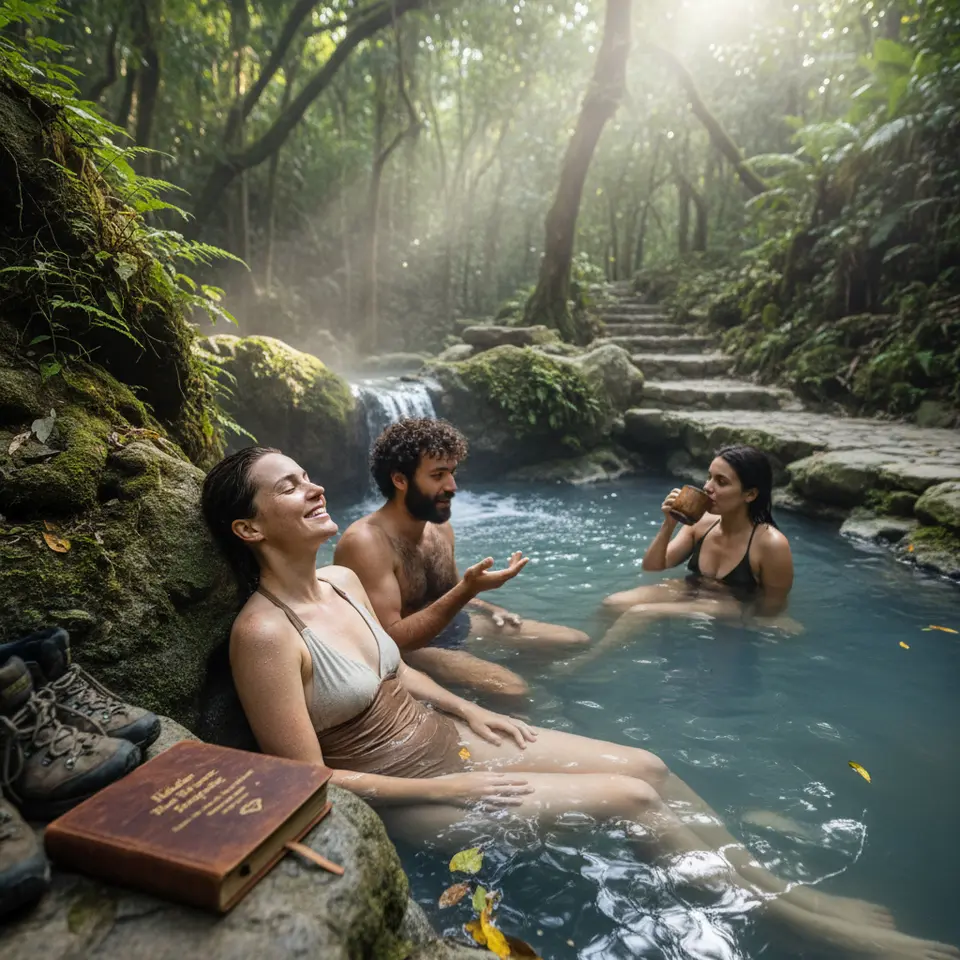
Press ESC to close

Hidden Hot Springs: Guide to Thermal Retreats Worldwide

In today’s digital landscape, travelers are searching for authentic escapes that rejuvenate mind and body. Hidden hot springs, tucked away in remote corners of the globe, offer an immersive wellness experience far from crowded spas and city life. These geothermal oases harness the Earth’s natural heat to create mineral-rich pools that soothe weary muscles and calm the spirit. Currently, this guide will lead you through some of the most enchanting thermal retreats that nature has to offer, revealing secrets often overlooked by mainstream tourism portfolios.

Hidden hot springs deliver more than simple relaxation; they connect visitors to cultural traditions, unique geological formations, and breathtaking scenery. Whether you are hiking through misty alpine terrain or traversing volcanic plateaus, discovering a secluded spring feels like unearthing a treasure guarded by nature itself. As you plan your own thermal adventure this year (2026), you will learn how to select the perfect destination, prepare essential gear, and observe local etiquette in order to fully appreciate these tranquil refuges. Pack your swimsuit and a spirit of curiosity—your journey into the world of hidden hot springs begins now.

Mountain Oasis: Alpine Hot Springs
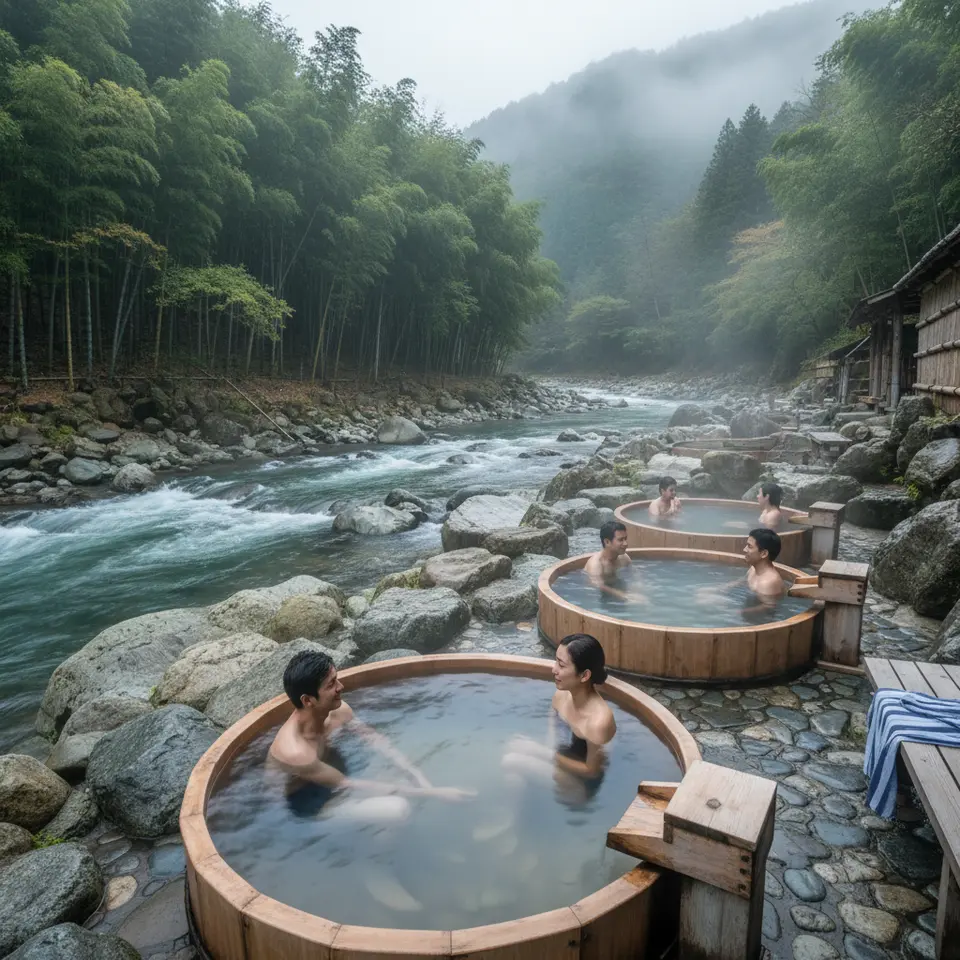
Riverside wooden hot spring tubs at Takaragawa Onsen, Japan – a rustic outdoor bathing area with steaming cedar tubs set alongside a rushing mountain river, framed by bamboo groves, moss-covered stones, and misty forest hills

Banff Upper Hot Springs, Canada

A Historic Alpine Thermal Escape

Located high in the Canadian Rockies, Banff Upper Hot Springs is one of the most iconic geothermal bathing spots in North America. Surrounded by towering mountain peaks, dense pine forests, and crisp alpine air, it offers a deeply relaxing experience that blends natural beauty with wellness tourism. The warm mineral water, maintained at around 37°C, provides soothing relief for tired muscles—especially after hiking, skiing, or exploring Banff National Park.

Natural Benefits and Scenic Setting

The mineral-rich waters are believed to support joint health, improve circulation, and reduce stress levels, making it a popular destination for both travelers and wellness seekers. What makes this experience even more special is the panoramic backdrop—snow-capped mountains and rugged wilderness create a peaceful contrast to the warm, inviting pool.

Protected National Park Experience

Managed by Parks Canada, the facility is carefully maintained to preserve the surrounding environment and ensure sustainable tourism practices. Infrastructure is designed to blend into the natural landscape, allowing visitors to enjoy comfort without disturbing the ecosystem. For more details, visitors can refer to Parks Canada’s official Banff National Park page: Banff National Park

Takaragawa Onsen, Japan

A Traditional Hidden Hot Springs Retreat

Nestled deep within Gunma Prefecture, Takaragawa Onsen represents the timeless charm of Japan’s traditional bathing culture. Surrounded by bamboo groves, forested hills, and a flowing river, this onsen delivers a serene escape that feels far removed from modern urban life.

Riverside Baths and Natural Harmony

Large wooden outdoor baths are positioned directly beside the river, allowing guests to soak while listening to flowing water and rustling trees. The atmosphere is rustic, quiet, and deeply connected to nature, making it one of Japan’s most beloved hidden hot springs experiences.

Cultural Rituals and Wellness Experience

Visitors are expected to follow traditional purification practices, including thorough washing before entering the baths. Many guests enhance their stay by booking tatami-style rooms and enjoying multi-course kaiseki meals made from seasonal ingredients. This combination of food, culture, and thermal relaxation creates a holistic wellness journey rooted in Japanese tradition.

Rotorua Thermal Springs, New Zealand

A Geothermal Wonderland on the Pacific Ring of Fire

Rotorua, located on New Zealand’s North Island, is one of the most active geothermal regions in the world. Steam vents, bubbling mud pools, and natural hot springs are scattered across forested landscapes, creating an otherworldly environment shaped by volcanic energy.

Hidden Natural Pools and Cultural Respect

While some areas are developed for tourism, places like Kerosene Creek and Okere Falls offer more natural and secluded bathing experiences. The mineral-rich waters—containing silica and sulfate—are believed to promote skin health and relaxation. However, visitors must respect Māori cultural traditions, as many geothermal sites hold deep spiritual significance.

Science and Nature in Harmony

Research from institutions like NIWA highlights the unique chemical composition of these waters and their connection to the region’s volcanic activity: niwa .This blend of science, culture, and natural beauty makes Rotorua a powerful example of living geothermal landscapes.

El Tatio Geysers, Chile

High-Altitude Geothermal Drama

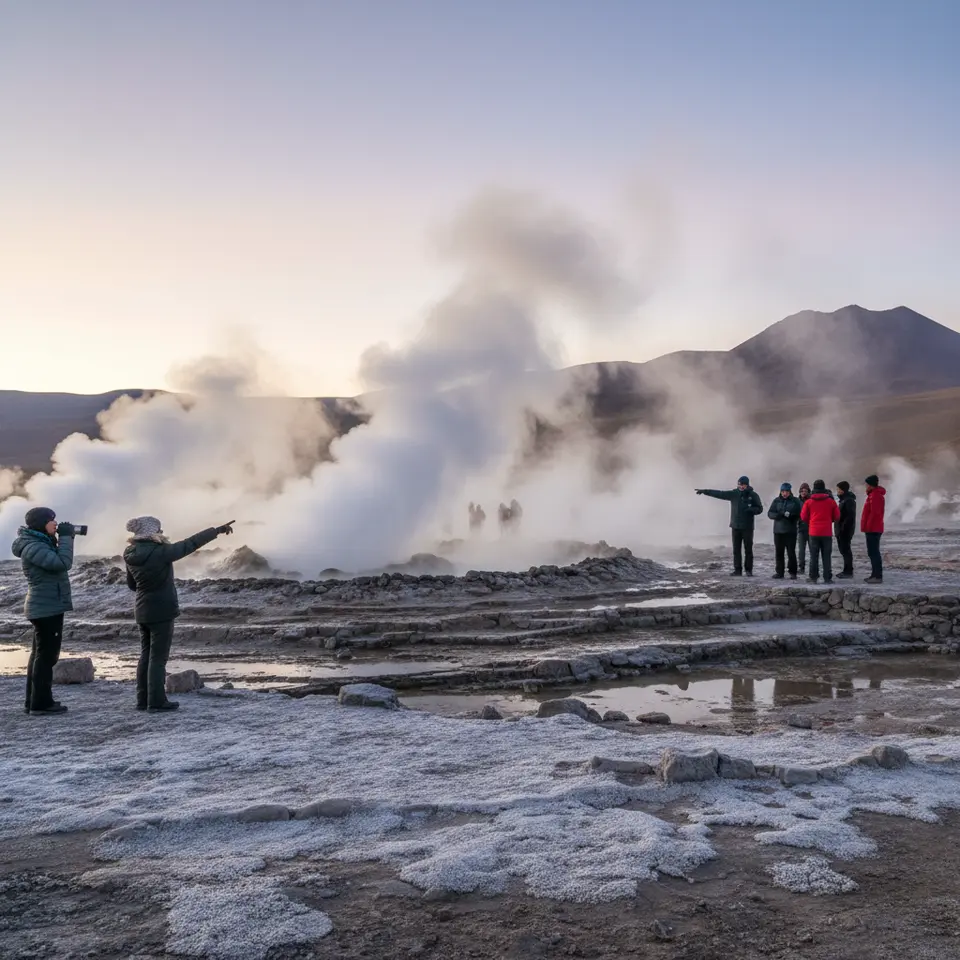
Situated over 4,300 meters above sea level in the Atacama Desert, El Tatio Geysers is one of the highest geothermal fields in the world. At sunrise, dramatic steam eruptions rise from the earth, creating a surreal, almost alien landscape.

Raw and Untouched Thermal Pools

Although primarily known for geysers, nearby basalt rock pools offer opportunities for natural soaking in a rugged, untouched environment. The experience is raw and minimal—there are few facilities, but the natural beauty is unmatched.

Extreme Conditions and Stunning Views

Visitors must prepare for freezing pre-dawn temperatures and strong altitude conditions. Despite the harsh environment, the contrast between icy air and warm geothermal waters creates a powerful and unforgettable thermal experience.

A True Desert Hot Springs Adventure

El Tatio represents one of the most authentic forms of hidden hot springs exploration—remote, dramatic, and deeply connected to Earth’s volcanic energy.

Coastal Geothermal Sanctuaries

El Tatio Geysers at dawn in Chile’s Atacama Desert – dramatic steam plumes rising from geothermal vents and tiered basalt rock pools against a pastel sunrise sky, with stark desert mountains and frost-kissed ground in the background

Blue Lagoon, Iceland

The Blue Lagoon in southwestern Iceland is one of the most iconic geothermal destinations often associated with hidden hot springs, even though it is now a world-famous spa. Set dramatically within a vast black lava field, its milky-blue waters are rich in silica, minerals, and algae, which are believed to help soothe skin conditions and promote deep relaxation. The surreal contrast between steaming turquoise water and rugged volcanic rock creates a truly otherworldly atmosphere that feels both natural and luxurious.

Beyond the main lagoon, Iceland offers even more raw thermal experiences. A short journey away, the Reykjadalur hot river near Hveragerði allows travelers to hike through steaming geothermal valleys before reaching naturally warm river pools. These quieter spots give a more “hidden” hot springs feel, where nature is untouched and bathing happens in open landscapes surrounded by mountains and steam vents.

Hot Springs Cove, Canada

Hot Springs Cove on Vancouver Island is a remote coastal gem accessible only by boat or floatplane from Tofino, making it feel like a true hidden escape. After arriving, visitors walk along a wooden boardwalk through dense old-growth rainforest, where the sound of waves and birds replaces any sense of modern life. At the end of the trail, natural rock pools filled with geothermal water cascade down toward the Pacific Ocean, offering an unforgettable open-air soaking experience.

Each pool provides a different viewpoint—some overlook crashing waves, while others are tucked into quieter corners perfect for relaxation. Wildlife such as sea otters, seals, and even black bears can sometimes be spotted nearby, reminding visitors that this is a shared natural habitat. The combination of ocean air, warm mineral water, and untouched forest makes this one of the most immersive hidden hot springs experiences in North America.

Planning Your Hidden Hot Springs Journey

Careful preparation is essential for enjoying remote thermal destinations safely and responsibly. Many hidden hot springs are located in rugged or protected areas, so planning ahead ensures both comfort and environmental protection.

Essential Packing List

Bring a durable swimsuit, quick-dry towel, waterproof bag, and comfortable water shoes for rocky terrain. A reusable water bottle is also important, as mineral-rich environments can be dehydrating.

Best Time to Visit

Late spring through early autumn generally offers the easiest access and mild weather. However, winter visits can be especially magical, with steaming waters surrounded by snow-covered landscapes.

Local Rules and Etiquette

Many hot springs follow cultural or environmental rules such as mandatory showering before entry, designated bathing areas, or clothing guidelines. Always respect local customs and posted instructions.

Permits and Access Tips

Some remote springs require entry permits or guided access to protect fragile ecosystems. Checking official park or tourism websites in advance is highly recommended.

Safety Considerations

Always monitor water temperature warnings and geothermal activity alerts. Carry basic first-aid supplies and inform someone of your travel plans before heading into remote areas.

Insider Tips for a Better Experience
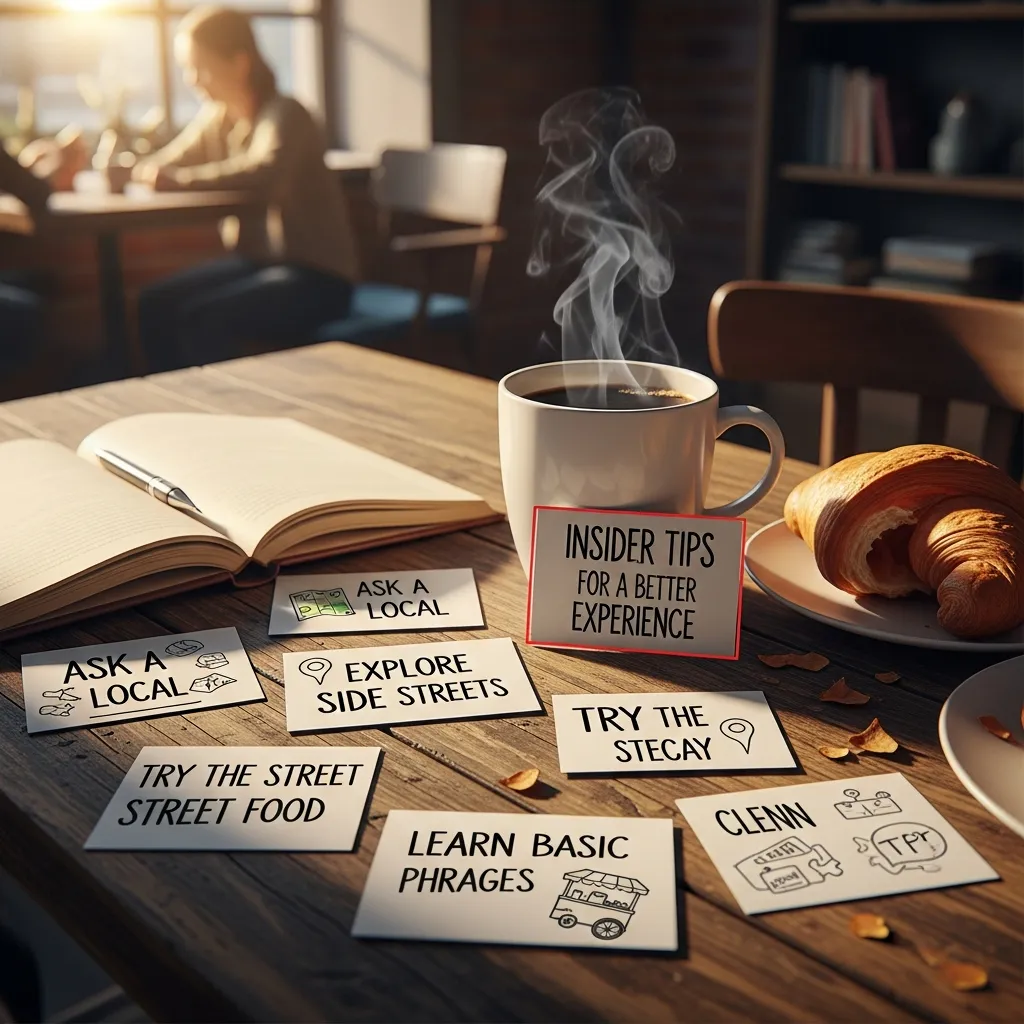
To make the most of your hidden hot springs journey, try visiting early in the morning or late in the afternoon when crowds are minimal and lighting is most beautiful. Steam rising over still water during sunrise or sunset creates a magical atmosphere ideal for photography and relaxation.

Engaging with local guides or communities can also enrich your experience, offering insights into cultural traditions and the spiritual significance of these geothermal sites. Many hot springs are considered sacred in indigenous cultures, so respectful behavior is essential.

Sustainability should always remain a priority. Avoid single-use plastics, stay on marked paths, and carry out all waste. Drone usage should only be done where permitted, as wildlife and natural serenity can be easily disturbed.

Finally, consider combining your hot springs visit with nearby cultural or nature-based activities such as hiking trails, local museums, or conservation centers. This creates a more meaningful and well-rounded travel experience that goes beyond relaxation alone.

Conclusion

Hidden hot springs stand as some of the most captivating destinations for wellness and adventure seekers today. From alpine heights to coastal shores, these secret geothermal pools invite travelers to disconnect from routine and reconnect with Earth’s ancient energies. By following cultural protocols, preparing essential gear, and choosing off-the-beaten-path locations, you ensure a responsible and deeply rewarding experience. Whether you are drawn to the royal blue waters of Iceland’s lava fields or the remote desert pools of Chile, each soak provides a unique opportunity to immerse in nature’s most tranquil offerings. Embrace the magic of hidden hot springs this year, and let the warmth of these thermal sanctuaries revive your body, mind, and spirit.

Frequently Asked Questions About Hidden Hot Springs

1. What are hidden hot springs?

Hidden hot springs are natural geothermal pools located in remote or less-crowded areas. These thermal waters are heated naturally beneath the Earth’s surface and are popular for relaxation and wellness travel.

2. Why are hidden hot springs becoming popular?

Many travelers seek peaceful and authentic experiences away from crowded tourist attractions. Hidden hot springs offer privacy, scenic beauty, and natural healing benefits.

3. What should I pack for a hidden hot springs trip?

Bring a swimsuit, quick-dry towel, water shoes, reusable water bottle, waterproof bag, and warm clothing if visiting mountain or winter locations.

4. Are hidden hot springs safe to visit?

Most hidden hot springs are safe, but travelers should always check water temperature, follow local safety signs, and avoid unstable geothermal areas.

5. When is the best time to visit hidden hot springs?

Late spring, summer, and early fall usually provide easier access and comfortable weather. Winter visits can also be magical, especially in snowy mountain regions.

6. Do hidden hot springs have health benefits?

Yes, many hidden hot springs contain minerals like sulfur, silica, and magnesium that may help reduce stress, soothe muscles, and improve skin health.

7. Are hidden hot springs free to access?

Some hidden hot springs are completely free, while others may charge entrance fees or require permits, especially inside protected parks or resorts.

8. How can I protect nature while visiting hidden hot springs?

Follow Leave No Trace principles, avoid littering, stay on marked trails, and use eco-friendly products like reef-safe sunscreen and reusable containers.

9. Can beginners visit hidden hot springs?

Absolutely. Many hidden hot springs are beginner-friendly, though some remote locations may require hiking or basic outdoor preparation.

10. Which countries are famous for hidden hot springs?

Popular destinations for hidden hot springs include Iceland, Japan, New Zealand, Canada, Chile, and parts of the United States.

11. Are there cultural rules for visiting hidden hot springs?

Yes, many locations have bathing customs or purification rituals. In countries like Japan, showering before entering communal pools is considered essential etiquette.

12. Can I combine hidden hot springs with adventure travel?

Definitely. Many hidden hot springs are located near hiking trails, volcanoes, forests, waterfalls, and wildlife areas, making them ideal for adventure-focused travelers.

Casey Braithwaite

I'm Global Travel Advisor specializing in corporate mobility and business trip optimization. With a deep understanding of travel technology, policies, and partnerships, helps businesses enhance travel efficiency and employee satisfaction.

Leave a Reply

Your email address will not be published. Required fields are marked *