

Exploring the North Atlantic’s Volcanic Frontiers
Iceland’s Dynamic Fire and Ice
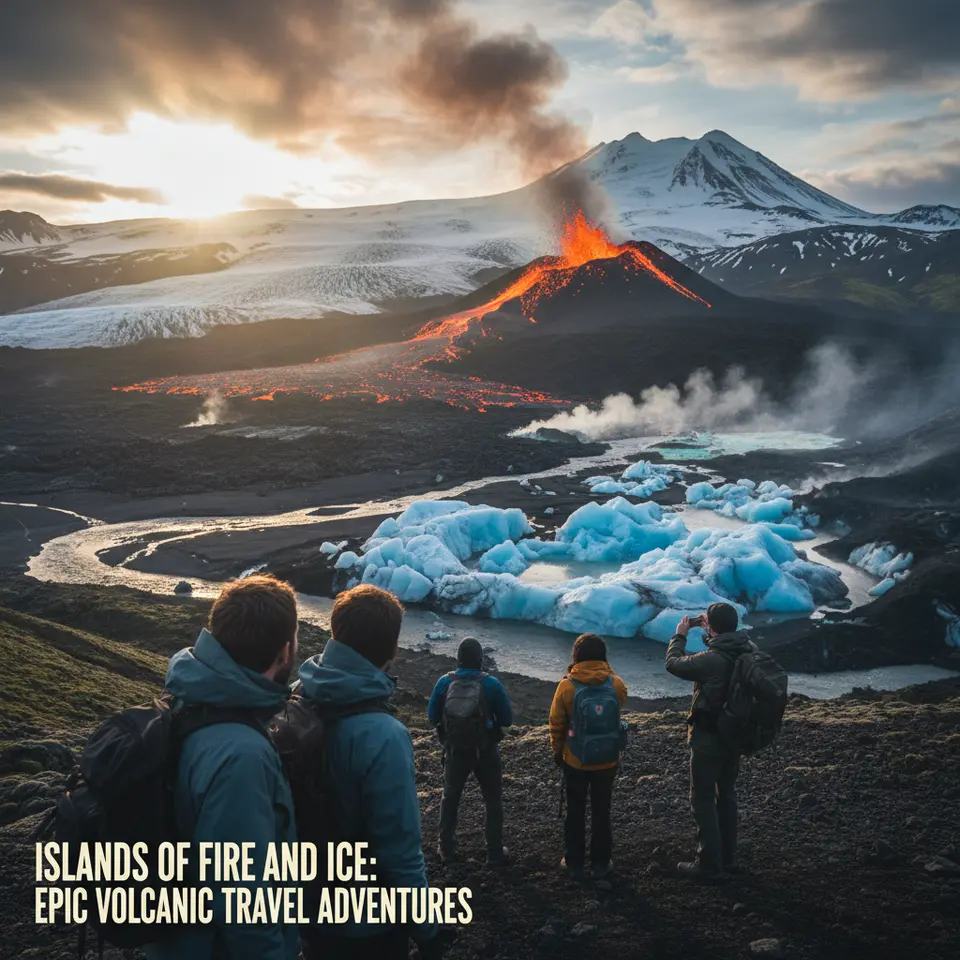
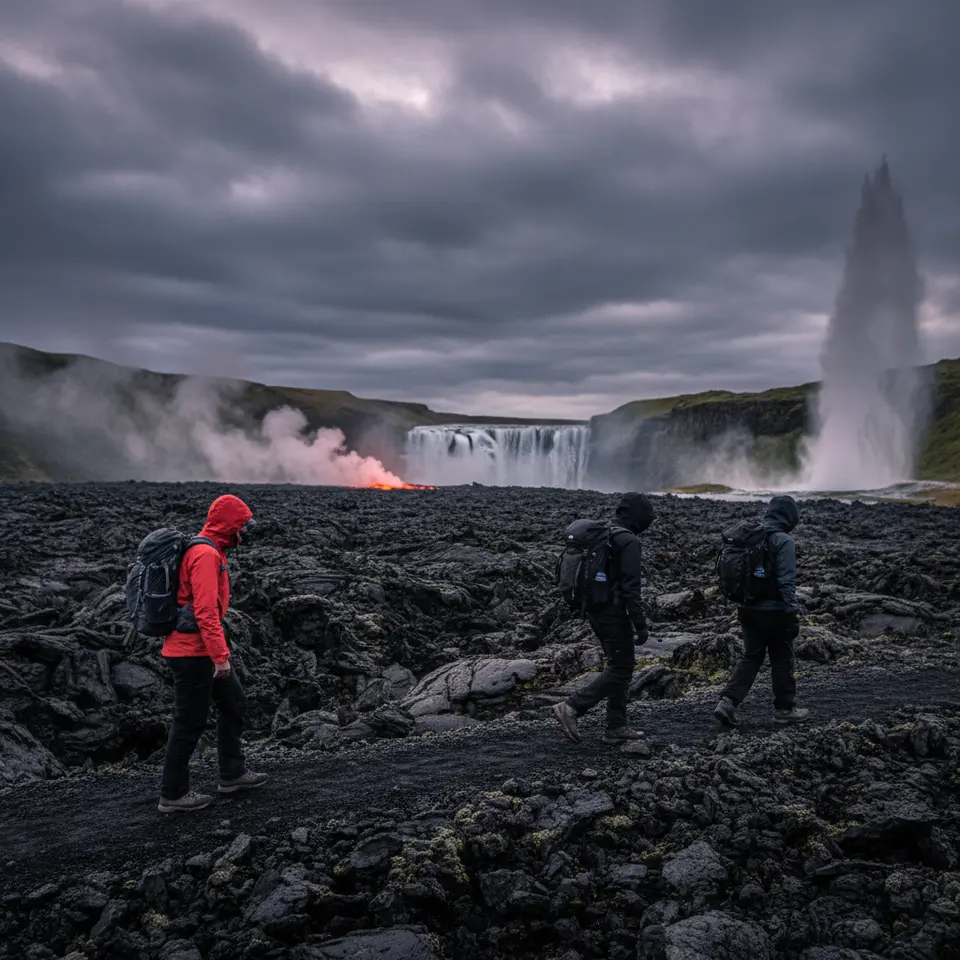
Iceland, often called the Land of Fire and Ice, reigns supreme among volcanic islands. Over 30 active volcanoes and expansive glaciers coexist on this rugged North Atlantic isle. Today, hikers and photographers flock to the Golden Circle route, where the US Geological Survey describes the interplay of geysers, waterfalls, and seismic shifts in real time. Visitors can wander through Þingvellir National Park along tectonic fissures, marvel at the thundering Gullfoss waterfall, and witness the spouting fountains at the Geysir geothermal area.
Beyond the classic loop, recently active sites like Fagradalsfjall near Reykjavík have reshaped coastal plains with fresh lava flows. Guided treks lead travelers safely over hardened fields to glimpse glowing vents at dusk. In the southeast, Vatnajökull—the largest glacier in Europe—offers ice cave expeditions and ski tours that contrast starkly with nearby volcanic peaks. Optimal travel season for these volcanic islands is late spring to early autumn, granting extended daylight and milder temperatures.
The Azores: Portugal’s Volcanic Eden
Far from the mainland, the Azores archipelago floats atop a triple junction where the Eurasian, African, and North American plates converge. São Miguel’s Sete Cidades caldera is famed for twin lakes—one emerald, one sapphire—formed in a collapsed volcano. Furnas Valley bubbles with hot springs, where thermal waters feed natural baths and farm-to-table restaurants.
Pico Island features Portugal’s highest summit, a volcanic cone rising over the North Atlantic. Adventurers can hike by night to renew their perspective on volcanic islands under a blanket of stars. On Faial, the Capelinhos Volcano stands as living proof of 1957’s dramatic eruption, adding new coastline that now nourishes seabird colonies. The prime months for whale watching, hiking, and minimal rainfall run from June through September.
Mediterranean Marvels: Santorini, Stromboli, and La Palma
Santorini’s Submerged Caldera and Whitewashed Villages
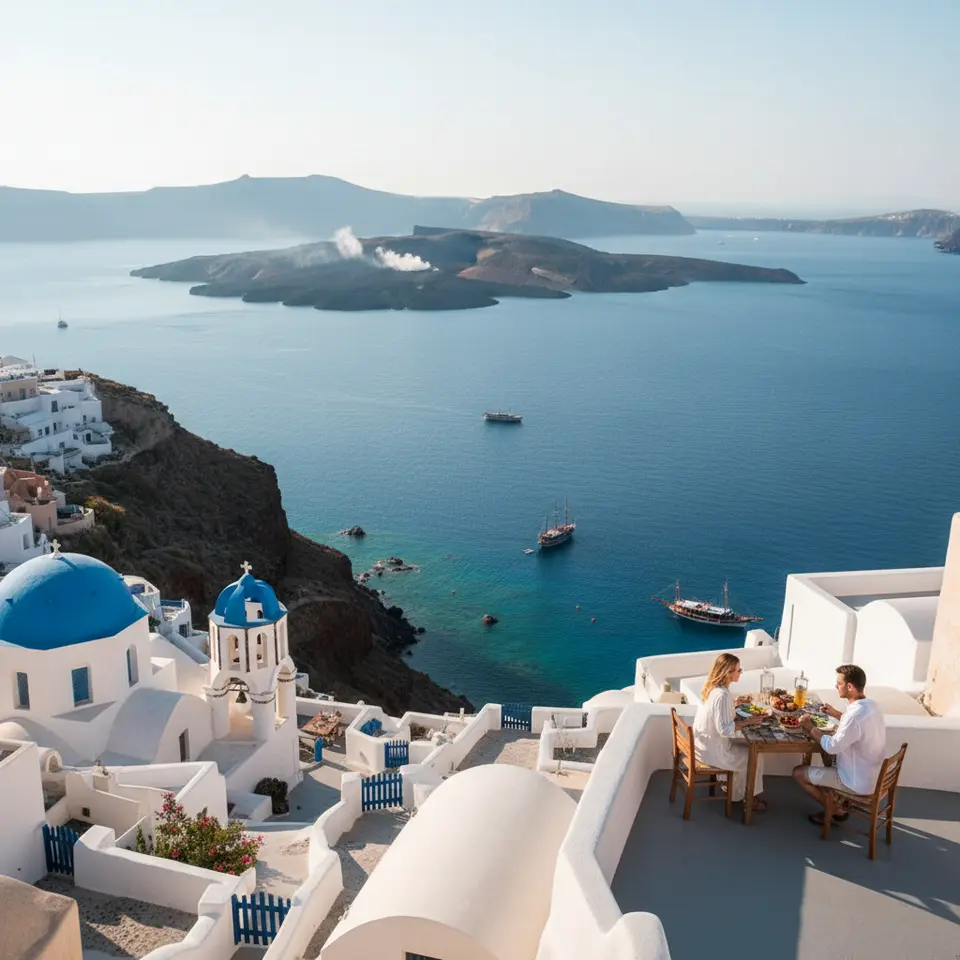
Santorini, Greece’s iconic crescent-shaped isle, emerged from one of history’s largest eruptions. Today, the caldera’s steep walls are dotted with towns painted in brilliant white and cobalt blue, offering unobstructed views over a shimmering lagoon. Hiking the rim from Fira to Oia provides panoramic vistas of submerged vents and azure waters. Archaeology enthusiasts can explore the Bronze Age ruins at Akrotiri, unearthed beneath volcanic ash.
For a change of pace, boat tours ferry travelers to Nea Kameni’s hot springs, where mineral-rich waters bubble amid volcanic soil. The recommended travel window from May through September guarantees sun-drenched days and calm seas, while shoulder months bring fewer crowds and pleasant temperatures.
Stromboli: The Lighthouse Volcano
Part of Italy’s Aeolian archipelago, Stromboli is nicknamed “the Lighthouse of the Mediterranean” for its near-constant, mild eruptions. Guided night hikes lead to the Sciara del Fuoco, where glowing bombs and lava streams tumble into the Tyrrhenian Sea. Visitors must wear helmets and carry headlamps to navigate rough lava fields safely. During daylight hours, secluded coves beckon for snorkeling along black-rock shores.
La Palma’s Evolving Landscapes
La Palma, known locally as La Isla Bonita, showcases verdant forests, volcanic calderas, and the recently active Cumbre Vieja ridge. From Los Tilos’ laurel jungle to the southern coast’s black-sand beaches, the island blends epic hiking trails with stargazing opportunities at Roque de los Muchachos Observatory. Visitors currently can observe fresh lava flows in designated viewing areas, though eruption alerts must always be monitored.
Tropical Volcanoes of the Pacific: Bali, Hawaii, and Tanna
Bali’s Sacred Summits
Beyond terraced rice paddies and ornate temples, Bali is shaped by the towering peaks of Mount Agung and Mount Batur. Sunrise treks to Batur’s 1,717-meter summit reward early risers with sweeping panoramas of a volcanic caldera lake bathed in morning light. Afterwards, hikers can soak in natural hot springs along the rift’s edge or participate in a purification ceremony at Tirta Empul temple.
The island’s dry season, from April to October, offers the best trekking conditions. During monsoon months, afternoon showers and higher humidity levels can make ridge trails slippery and challenging.
Hawai‘i’s Big Island: Molten Majesty
Hawai‘i’s Big Island remains one of the most active volcanic islands on Earth. Within Hawai‘i Volcanoes National Park, travelers can explore Kīlauea’s steaming crater, stroll through Thurston Lava Tube, and peer into sulfur-tinged vents along the coastal plain. Local guides on Pāhoa Road offer evening tours of glowing lava flows when conditions permit, creating an unforgettable spectacle.
The island is accessible year-round, though summer months generally bring clearer skies and calmer surf. Visitors should track air quality advisories for vog—volcanic smog—to ensure a comfortable experience.
Tanna Island’s Living Volcano
In Vanuatu, Tanna Island’s Yasur Volcano provides one of the world’s most accessible active craters. After trekking across hardened lava fields at sunset, travelers witness thundering eruptions and incandescent magma at the rim. Local Ni-Vanuatu guides also offer cultural tours of kastom villages and snorkeling excursions in coral-filled bays.
The ideal travel window for these volcanic islands in the South Pacific is May through October, when cooler, drier conditions prevail.
Hidden Gems in the Indian Ocean and East Asia
Reunion Island’s Shield Volcano
Reunion Island, a French overseas department east of Madagascar, features the remarkably active Piton de la Fournaise. Predictable eruptions from this shield volcano can often be viewed from coastal viewpoints, while hiking trails through the Cirques of Mafate and Salazie reveal deep canyons carved by millennia of volcanic action. Visitors can cap off adventures with vanilla-infused rum tastings at local distilleries.
For optimal trekking conditions, plan your visit between April and December, but always consult regional authorities for eruption updates.
Jeju Island’s Basaltic Beauty
Jeju Island in South Korea boasts Hallasan, a dormant shield volcano that forms the nation’s highest peak. Surrounding lava tubes, such as the Manjanggul Cave system, rank among the world’s longest and most well-preserved. Seasonal blossoms in spring and coastal cycling routes showcase basalt cliffs and unique haenyeo (female diver) traditions.
Seek quieter trails and temperate weather from March to May or September to November.
Conclusion
Volcanic islands stand as living laboratories of Earth’s primal forces—inviting exploration, awe, and respect. From the icy calderas of Iceland to the tropical shores of Tanna, each destination offers a unique blend of geological wonder and cultural heritage. By planning thoughtfully, engaging certified guides, and adhering to safety protocols, you can experience these dramatic landscapes responsibly. Harness your adventurous spirit and embark on an unforgettable journey among volcanic islands in this year. Your next epic travel chapter awaits—venture forth and witness our planet’s fiery heart.
Frequently Asked Questions About Volcanic Travel Adventures
1. What are Volcanic Travel Adventures?
Volcanic Travel Adventures are travel experiences centered around exploring volcanic landscapes, active volcanoes, crater lakes, lava fields, geothermal springs, and unique island cultures.
2. Which destinations are best for Volcanic Travel Adventures?
Popular destinations include Iceland, Hawaii, Santorini, Bali, the Azores, Jeju Island, Stromboli, and Tanna Island because of their dramatic volcanic scenery and adventure activities.
3. Are Volcanic Travel Adventures safe for tourists?
Yes, Volcanic Travel Adventures can be safe when travelers follow official guidelines, use certified local guides, and avoid restricted volcanic zones during active eruptions.
4. What activities can I enjoy during Volcanic Travel Adventures?
You can enjoy volcano trekking, lava field hikes, geothermal spa experiences, black-sand beach visits, crater lake tours, snorkeling, stargazing, and cultural excursions.
5. When is the best time for Volcanic Travel Adventures?
The ideal season depends on the destination, but most Volcanic Travel Adventures are best enjoyed during dry seasons with stable weather and safer hiking conditions.
6. What should I pack for Volcanic Travel Adventures?
Pack hiking boots, layered clothing, sunscreen, a reusable water bottle, a flashlight or headlamp, a first-aid kit, and weather-resistant gear for changing volcanic climates.
7. Are active volcano tours included in Volcanic Travel Adventures?
Yes, many Volcanic Travel Adventures include guided tours near active volcanoes where travelers can safely observe lava flows, fumaroles, and volcanic craters.
8. Can beginners enjoy Volcanic Travel Adventures?
Absolutely. Many destinations offer beginner-friendly trails, guided sightseeing tours, and comfortable accommodations that make Volcanic Travel Adventures accessible to all travelers.
9. Why are Volcanic Travel Adventures becoming popular?
Travelers are increasingly attracted to Volcanic Travel Adventures because they combine nature, adventure, geology, photography, wellness experiences, and cultural exploration.
10. How do I prepare physically for Volcanic Travel Adventures?
Basic fitness helps for hiking and trekking activities. Preparing with regular walking, hydration, and lightweight training can improve your overall travel experience.
11. Are Volcanic Travel Adventures family-friendly?
Many Volcanic Travel Adventures are family-friendly, especially destinations with easy walking trails, geothermal pools, scenic viewpoints, and educational geological attractions.
12. How can I travel responsibly during Volcanic Travel Adventures?
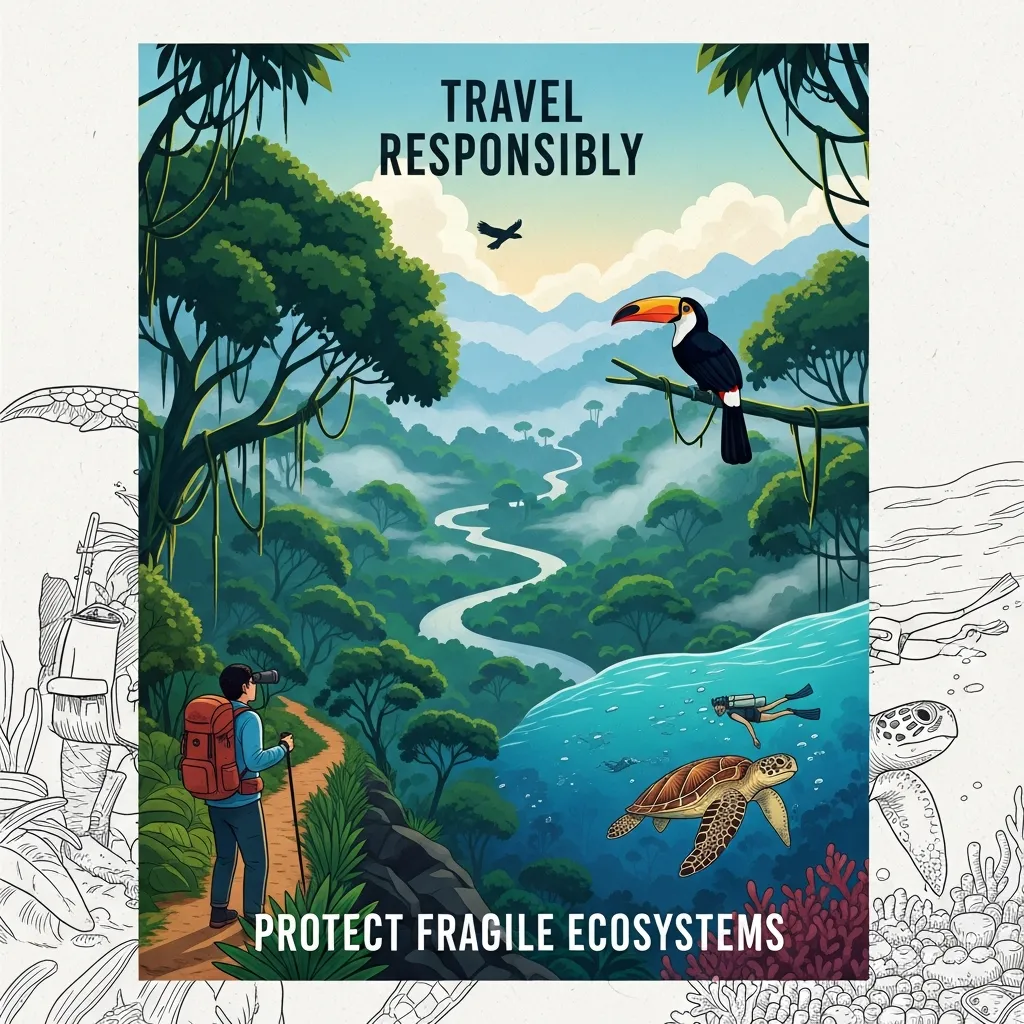
Support local communities, follow environmental rules, avoid littering, stay on marked trails, and respect protected volcanic ecosystems during your Volcanic Travel Adventures.



Leave a Reply