

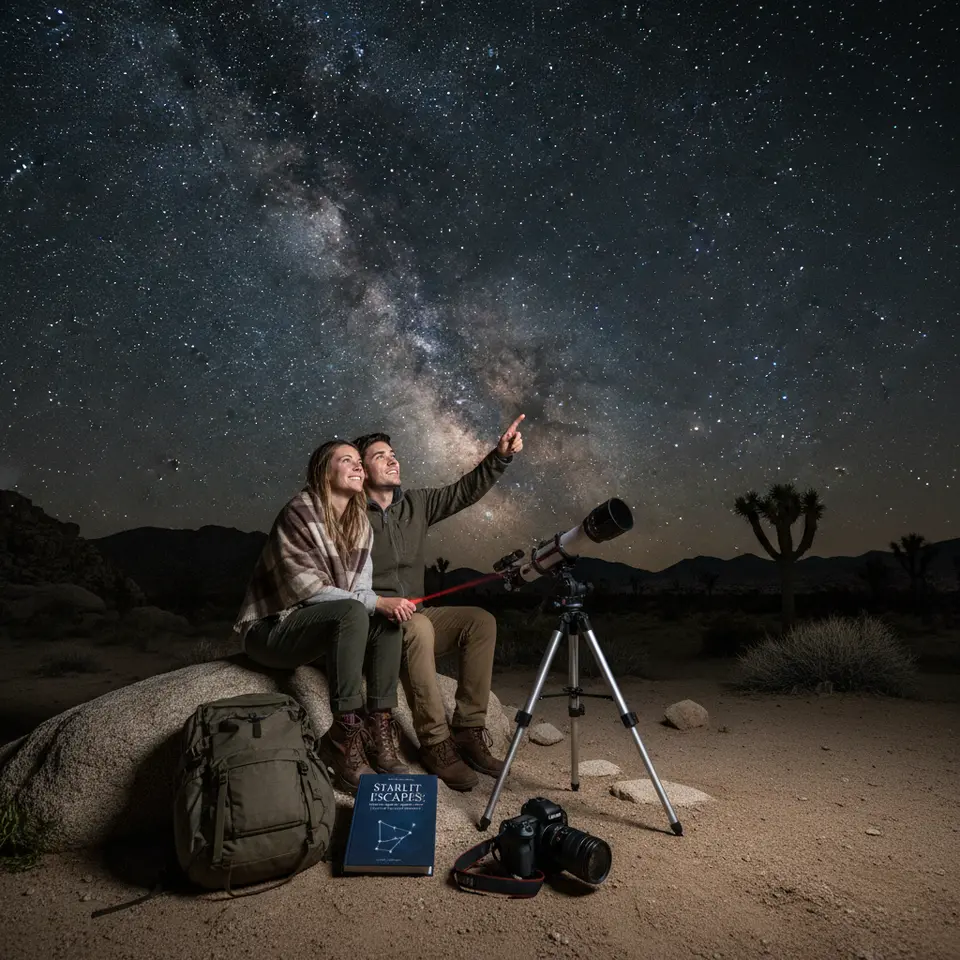
Imagine stepping away from neon skylines and traffic glow to experience a universe painted in brilliant starlight—this is the allure of Dark Sky Travel. In today’s digital landscape, where artificial illumination crowds out celestial wonder, a growing number of explorers are reclaiming the night. Dark Sky Travel embraces eco-friendly tourism, conservation awareness, and the simple joy of gazing upward unimpeded. Whether you’re an amateur astronomer charting constellations or a city dweller longing for cosmic perspective, planning an astro-tourism adventure promises profound rewards.
Currently, certified dark sky sites span every continent, each offering unique terrains and star-studded shows. From desert dunes to rainforest clearings, these sanctuaries preserve natural darkness and cultivate sustainable tourism. This guide will equip you with everything you need—destination insights, seasonal timing, essential gear, itinerary tips, and best practices. By the end, you’ll be ready to embark on an unforgettable Dark Sky Travel journey that uplifts your spirit while protecting our planet’s night heritage. Let’s venture into the cosmos.
The Importance of Preserving Natural Nightscapes
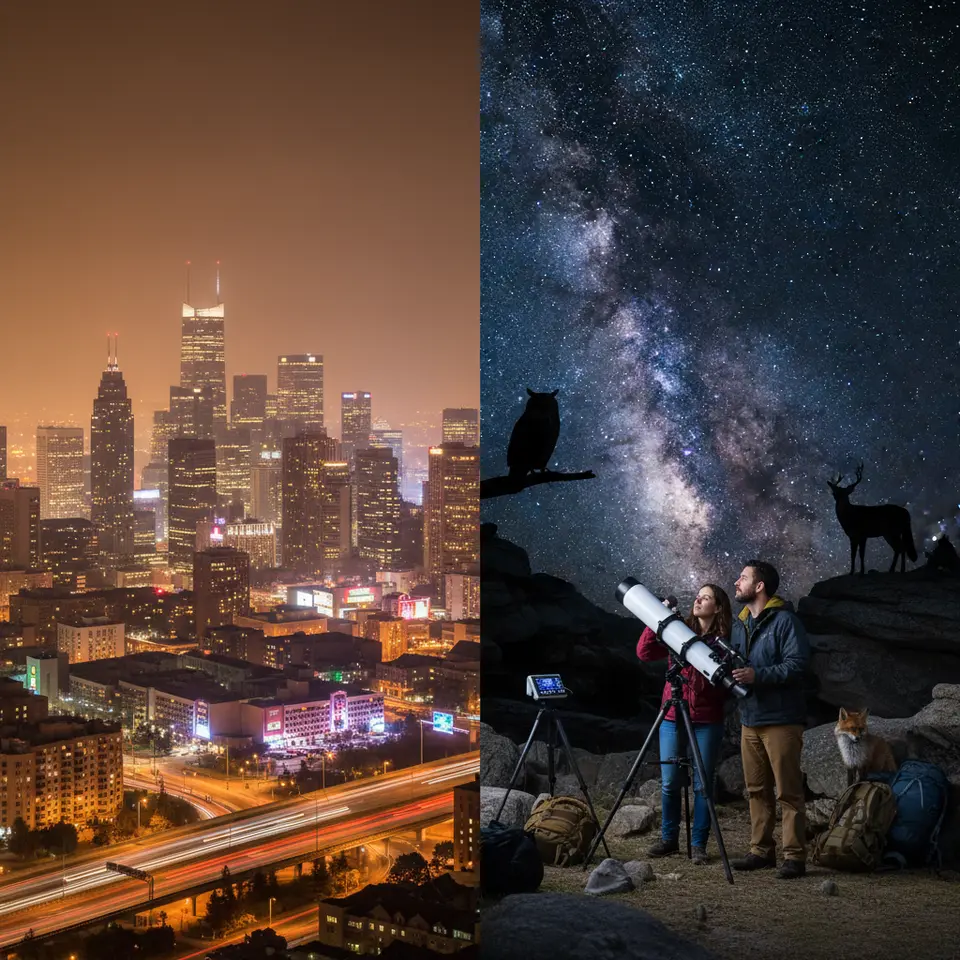
Dark Sky Travel goes beyond sightseeing; it plays a vital role in environmental stewardship. Light pollution from urban sprawl washes out at least 80% of the stars visible to the naked eye, disrupting wildlife behaviors and human circadian rhythms. Research from the International Dark-Sky Association (IDA) highlights the impact of excessive nighttime lighting on nocturnal animals, which rely on darkness for migration, foraging, and breeding. Supporting dark sky destinations helps reverse these trends by encouraging municipalities and parks to adopt smart lighting policies.
By choosing certified locations, travelers reinforce a global movement to protect our night environment. Dark Sky Travel destinations often work closely with universities and research institutions—such as those under the auspices of the International Astronomical Union—to monitor sky quality, conduct educational programs, and engage local communities in eco-tourism initiatives. This collaboration fosters scientific inquiry, community empowerment, and cultural heritage preservation, ensuring that future generations can stand beneath a dazzling firmament.
Moreover, observing a truly dark sky can be a deeply humbling experience. In a single glance, you may witness the Milky Way’s swirling arms, distant galaxies, and meteor showers, igniting curiosity about our place in the cosmos. Dark Sky Travel merges scientific fascination with heartfelt wonder, encouraging responsible exploration while championing conservation efforts worldwide.
Premier Destinations for Unobstructed Star Gazing
When planning your Dark Sky Travel adventure this year, selecting a certified site guarantees minimal light interference and an authentic celestial spectacle. Here are some top destinations that exemplify excellence in preserving natural darkness:
Aoraki Mackenzie, New Zealand
As a Gold-Tier reserve, Aoraki Mackenzie offers the Southern Hemisphere’s richest sky canvases. Set within a high-altitude basin, this region lets you glimpse the Magellanic Clouds and the galactic core of the Milky Way. Local guides from the Mackenzie Dark Sky Project provide expert-led night tours, sharing Maori sky lore and astrophotography tips. Daytime activities include glacier treks and alpine hikes, making it perfect for multi-day visits where both sunlit and starry excursions abound.
Big Bend National Park, USA
In Texas’s remote expanses, Big Bend stands out for its stark desert beauty and expansive campsites. Recognized with an IDA Gold Tier rating, the park’s low humidity and high elevation yield crystal-clear conditions. Park rangers host ranger-led astronomy programs, introducing visitors to telescopes and star charts. Expect to see Jupiter’s moons through binoculars or spy Saturn’s rings if you time your Dark Sky Travel during a meteor shower like the Perseids.
NamibRand Nature Reserve, Namibia
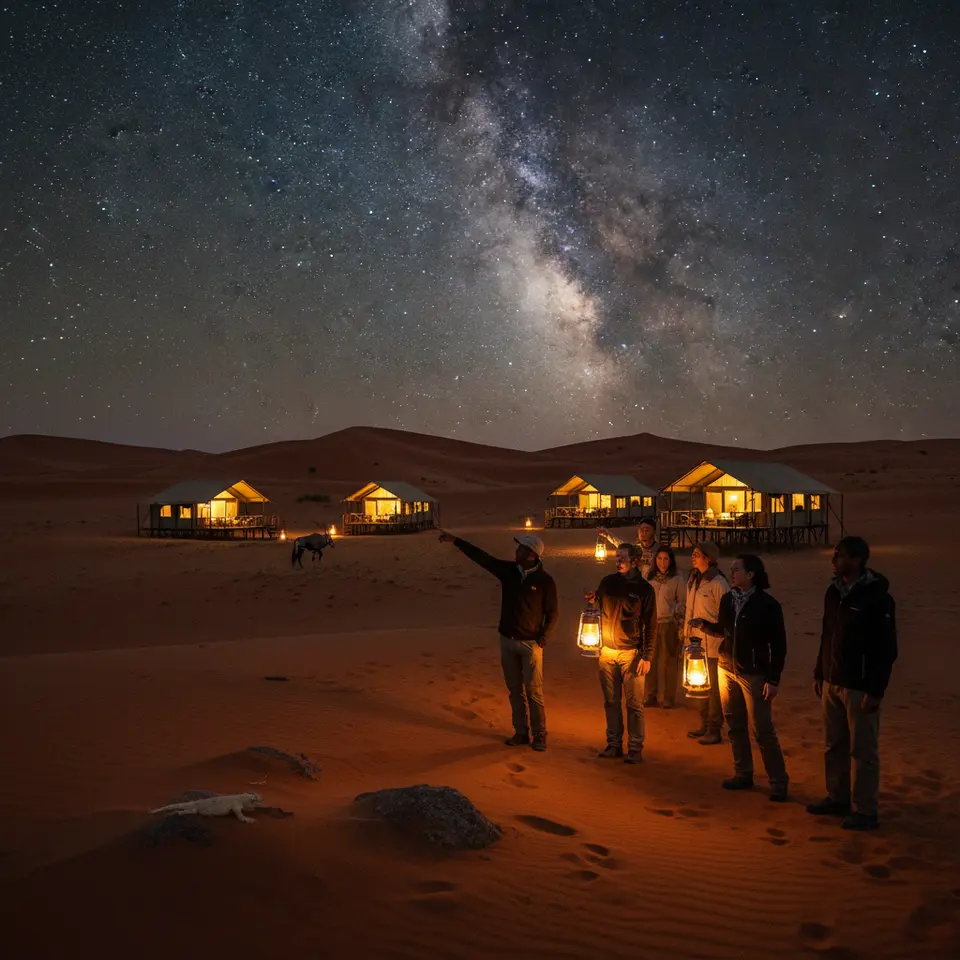
Namibia’s first IDA-accredited sanctuary boasts dunes that glow under starlight. Visitors stay in roof-deck cabins or eco-tents, where guides lead nocturnal safaris to spot desert fauna under the Milky Way. The NamibRand Conservation initiative collaborates with universities to study light pollution’s effects on local biodiversity, making your travel footprint part of ongoing research.
Mont-Mégantic, Canada
This pioneering reserve, home to Canada’s first astronomical observatory, offers public stargazing sessions year-round. The Mont-Mégantic Observatory facilitates workshops in astrophysics for visiting scholars, while picnic-style viewing sites accommodate families and casual stargazers. Crisp mountain air and low haze ensure bright, twinkling skies over the Estrie region.
Exmoor National Park, UK
Along England’s southwestern coast, Exmoor combines dramatic moorland vistas with stringent community-led light pollution controls. The park hosts monthly star parties and conservation events, inviting travelers to learn about nocturnal wildlife rehabilitation and traditional navigation methods. Whether you’re capturing star trails above rainy cliffs or joining a local astronomy club talk, Exmoor embodies the spirit of Dark Sky Travel.
Timing Your Celestial Journey for Maximum Impact
Choosing the right moment can transform your Dark Sky Travel experience from memorable to legendary. While certified sites maintain dark conditions year-round, specific windows reveal extraordinary sights:
New Moon Phases
When the moon’s illuminated portion is smallest, ambient glow is minimized. Check lunar calendars and aim for nights within two days of the new moon to view fainter deep-sky objects like nebulae and distant galaxies.
Milky Way Season
In the Northern Hemisphere, late spring through early fall offers the best Milky Way visibility. South of the equator, peak viewing shifts by roughly six months. This year (2026), aim for June through August in North America or December through February in Australasia.
Meteor Showers
Annual meteor showers like the Perseids (mid-August) and Geminids (mid-December) draw crowds. Arriving a day before peak nights helps you secure prime viewing locations. Monitor forecasts from agencies such as NOAA to anticipate local weather and shower intensity.
Planetary Conjunctions and Eclipses
Staying attuned to celestial events adds an educational dimension. Use astronomy apps to track when Mars, Venus, or Jupiter align, or time your trip around a solar or lunar eclipse for a once-in-a-lifetime spectacle.
By aligning your travel dates with these phenomena, you’ll maximize your chances of capturing awe-inspiring photographs and forging unforgettable memories under pristine skies.
Essential Gear and Digital Tools for Stargazers
Proper equipment elevates Dark Sky Travel from casual enjoyment to immersive discovery. While you can admire the sky unaided, the following checklist ensures comfort and clarity:
Optics and Imaging Equipment
- Red-Light Headlamp: Preserves night vision and safety while navigating trails.
- High-Zoom Binoculars or Compact Telescope: Look for models offering 10x–20x magnification in a portable package.
- DSLR/Mirrorless Camera and Sturdy Tripod: Use a fast wide-angle lens (f/2.8 or wider) for capturing the Milky Way. A remote shutter release or intervalometer helps with long-exposure shots.
Clothing and Comfort
- Insulated Layered Clothing: Temperatures can plummet after sunset; pack thermal base layers and windproof outerwear.
- Insulated Mat or Camping Chair: A padded surface lets you recline comfortably without cold ground contact.
- Quality Sleeping Bag (for overnight camps): Even desert nights can be frosty.
Digital Apps and Star Charts
Smartphone applications have revolutionized Dark Sky Travel. Consider:
- Stellarium Mobile: An open-source planetarium app trusted by educators.
- SkyView or Star Walk: Augmented reality overlays help identify constellations in real time.
- Meteotracker or Clear Outside: Specialized weather forecasts for astronomical viewing.
Prepare backups: extra batteries, portable power banks, and offline star charts in case of limited connectivity. With the right kit, each glance upward becomes an opportunity to discover a new corner of the cosmos.
Crafting Your Ideal Dark Sky Travel Itinerary
A well-structured itinerary balances night observation with daytime rest and exploration. Here is a flexible framework to adapt to any dark sky destination:
Day 1: Arrival and Acclimatization
Check in to your chosen accommodation—whether it’s a remote lodge beneath oak canopy or a rooftop cabin with panoramic sky views. Attend any welcome orientation offered by park staff, pick up local star charts, and review safety guidelines. Use the afternoon to adjust to altitude or climate, ensuring you remain robust for nocturnal sessions.
Night 1: Initial Sky Survey
Locate a nearby public viewpoint. Test your equipment, refine focus on binoculars or telescope, and practice camera settings. This warm-up helps you learn how ambient terrain and horizon lighting affect visibility.
Day 2: Daytime Excursions and Stargazing Workshops
Explore regional attractions—hiking trails, visitor centers, or cultural villages. Many dark sky parks offer daytime astronomy talks, astrophotography classes, or wildlife tours that align with conservation goals. Engaging in these activities enriches your understanding of both local ecosystems and cosmic phenomena.
Night 2: Deep Sky Exploration
Venturing to the darkest zones, dedicate this session to targeted observations: tracking nebulae, star clusters, or faint galaxies. If you’re a photographer, capture multiple long exposures and experiment with stacking techniques to minimize noise. Share insights with fellow travelers, comparing notes on celestial features.
Day 3: Community Engagement and Leisure
Support local dark sky initiatives by joining conservation projects: planting native flora, installing shielded lighting fixtures, or participating in citizen-science star counts. Alternatively, relax at a nearby spa or interpretive walk to rejuvenate for evening viewing.
Night 3: Special Event Viewing
If your trip coincides with a meteor shower or planetary alignment, dedicate this night to that event. Bring extra blankets, low-impact lanterns, and snacks for a comfortable marathon under the stars. Encourage fellow visitors to share stories, deepening the communal joy of Dark Sky Travel.
This adaptable itinerary ensures you experience every dimension of your destination—from scientific engagement to personal reflection beneath a tapestry of stars.
Conclusion
Embracing Dark Sky Travel in today’s digital landscape reconnects us with an authentic cosmic heritage while fostering environmental responsibility. By selecting certified sites, aligning travel dates with lunar cycles and celestial events, and packing the right gear, you open the door to nights filled with wonder and discovery. Engaging with local conservation efforts and educational programs enriches the journey, transforming each starlit evening into an opportunity for scientific inquiry and cultural exchange.
This year, answer the call of the night: trade city glare for galaxy glow, learn from expert guides, and leave behind a legacy of sustainable astro-tourism. Whether you’re capturing your first Milky Way panorama or simply lying back to count shooting stars, Dark Sky Travel offers experiences that inspire, educate, and ignite lifelong passion. Clear skies await—let the universe be your guide.
FAQ – Dark Sky Travel & Starlit Escapes
1. What is dark sky travel?
Dark sky travel is a form of eco-tourism focused on visiting locations with minimal light pollution to enjoy clear night skies, stargazing, and celestial events.
2. Why are starlit escapes becoming popular?
Starlit escapes are gaining popularity because travelers want peaceful, nature-based experiences away from city lights and digital distractions.
3. What are the best destinations for dark sky travel?
Popular dark sky travel destinations include national parks, desert reserves, mountain regions, and certified dark sky sanctuaries known for exceptional night sky visibility.
4. What is the best time for dark sky travel?
The best time for dark sky travel is during new moon phases when moonlight is minimal and the stars appear brighter and clearer.
5. Do I need special equipment for starlit escapes?
Basic equipment like binoculars, a tripod, warm clothing, and a red-light flashlight can greatly improve your starlit escapes experience.
6. Can beginners enjoy dark sky travel?
Absolutely. Dark sky travel is perfect for beginners because many destinations offer guided tours, astronomy workshops, and public telescope sessions.
7. How does dark sky travel support conservation?
Dark sky travel promotes awareness about light pollution and supports conservation programs that protect wildlife, ecosystems, and natural night environments.
8. What activities can I enjoy during starlit escapes?
During starlit escapes, travelers can enjoy:
- Stargazing
- Astrophotography
- Camping
- Night hikes
- Meteor shower viewing
- Astronomy tours
9. Are dark sky travel destinations family-friendly?
Yes. Many dark sky travel destinations provide family-friendly programs, educational events, and safe viewing areas for visitors of all ages.
10. Which apps are useful for dark sky travel?
Helpful apps include:
- Stellarium
- SkyView
- Star Walk
- Clear Outside
- Meteoblue
These apps help identify stars, planets, constellations, and weather conditions.
11. How can I prepare for a successful starlit escape?
To prepare for starlit escapes:
- Check weather forecasts
- Visit during clear skies
- Avoid full moon nights
- Pack layered clothing
- Bring extra batteries and offline maps
12. Why is dark sky travel important today?
Dark sky travel encourages sustainable tourism, reconnects people with nature, and helps preserve the beauty of the night sky for future generations.



Leave a Reply