

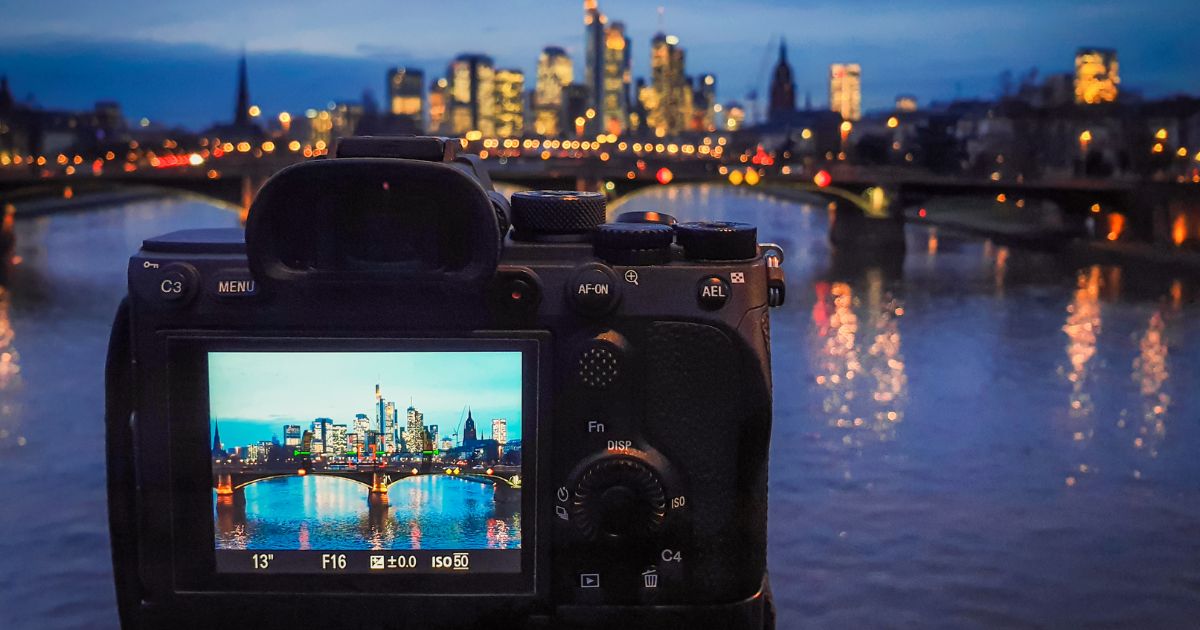
Travel photography transforms ordinary trips into unforgettable visual stories. Whether you’re wandering ancient city streets, trekking through misty mountain passes, or lounging on tropical beaches, the ability to capture compelling images elevates your adventures and preserves memories for a lifetime. In this guide, we’ll explore everything from choosing the right gear and mastering composition to understanding light, experimenting with different styles, and polishing your shots in post-production. By the end, you’ll feel confident packing your camera bag and shooting like a pro on your next journey.
1. Choosing the Right Gear
Selecting equipment that balances quality, portability, and durability is essential for travel photography. Most travelers opt for mirrorless cameras thanks to their lightweight bodies and advanced features. A versatile zoom lens (such as 24-70mm) covers landscapes and portraits, while a fast prime lens (35mm or 50mm) excels in low light and street scenes. Don’t overlook a lightweight tripod for long exposures and night sky shots—carbon-fiber models pack down small but offer stability. Extra batteries, multiple memory cards, and a protective camera bag with customizable dividers will keep you shooting all day without worrying about damage or data loss. Finally, consider compact accessories like a portable reflector, lens cleaning kit, and a small LED light panel for filling in shadows when needed.
2. Mastering Composition

Composition is the art of arranging elements within your frame to guide the viewer’s eye and tell a story. Start with the rule of thirds by dividing your frame into a three-by-three grid and placing key subjects along gridlines or intersections. Leading lines—such as roads, pathways, or architectural elements—draw attention toward your main subject and add depth. Experiment with framing techniques by shooting through doorways, windows, or foliage to create a sense of context. Pay attention to patterns, symmetry, and repetition for dynamic visuals. Don’t be afraid to break the rules: center your subject for bold impact, or embrace negative space to evoke calm and focus. Always ask yourself what story you want each photo to convey, then arrange your composition to support that narrative.
3. Understanding Light
Light is the foundation of all photography. Golden hour—the periods just after sunrise and before sunset—offers soft, warm hues that flatter landscapes and portraits alike. Midday sun can be harsh and create deep shadows; use open shade or reflectors to soften contrast. Overcast skies act as a giant diffuser, producing even light that works well for street scenes and macro shots. Practice backlighting to achieve dramatic silhouettes or lens flares, and use side lighting to emphasize textures and depth. Always observe how light interacts with your environment: watch for reflective surfaces, colored gels on buildings, or shafts of light filtering through clouds. Understanding these nuances allows you to anticipate changes and capture that perfect moment when the light elevates your composition.
4. Exploring Travel Photography Styles
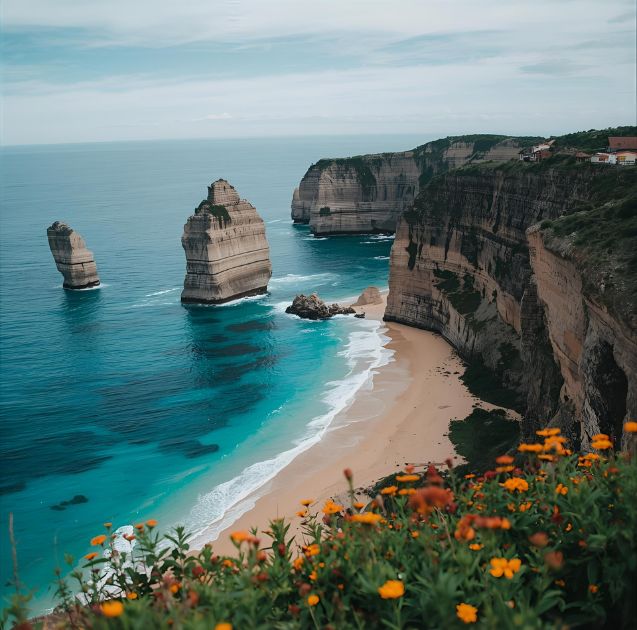
Travel photography encompasses a variety of styles, each conveying a different aspect of your journey. Landscape photography captures sweeping vistas and natural wonders, while street photography documents candid moments of local life and culture. Portraiture highlights the expressions and stories of people you meet on the road. Architectural photography focuses on structures—from ancient ruins to modern skyscrapers—emphasizing design and context. Macro photography reveals intricate details, whether in ornate textiles, exotic flora, or local cuisine. Adventure photography chronicles activities like hiking, diving, or cycling, often requiring action shots with fast shutter speeds and stable focus. Experimenting across these styles enriches your portfolio and deepens your appreciation for the diversity of environments you explore.
5. Editing and Post-processing
Post-processing turns good images into great ones. Start by organizing and culling your photos in software like Adobe Lightroom or Capture One. Basic adjustments include exposure, contrast, white balance, and color saturation. Use graduated filters to balance skies and foregrounds in landscapes, and radial filters to draw attention to key subjects. For portraits, apply subtle skin smoothing and dodge-and-burn techniques to shape faces. Correct lens distortions and straighten horizons to maintain professionalism. Explore creative looks through presets or custom color grading, but avoid over-processing—natural, consistent color palettes best reflect the authenticity of your journey. Finally, export images in web-friendly formats (JPEG or PNG) at resolutions optimized for blogs, social media, and prints.
6. Sharing and Preserving Your Memories
Once your images are polished, it’s time to share them with the world and safeguard your work. Publish your favorite shots on a personal travel blog or portfolio site with SEO-optimized captions and alt text. Engage audiences on social media platforms like Instagram and Pinterest using relevant hashtags (#travelphotography, #wanderlust) and geotags to increase visibility. For long-term preservation, back up your full-resolution files to external hard drives and cloud services such as Google Drive or Dropbox. Consider printing a photo book or wall art to relive your adventures daily. By combining digital sharing with physical keepsakes, you’ll ensure your travel memories endure for years to come.
Conclusion
Travel photography is a rewarding blend of technical skill and creative vision. With the right gear in hand, a strong grasp of composition and light, and a willingness to experiment across styles, you can capture the essence of every destination you visit. Embrace post-processing to refine your images and share them in compelling ways. Above all, remember that the best shots come from authentic experiences and genuine curiosity. So pack your camera, hit the road, and start telling your adventure story—one frame at a time.
If you’re craving a travel experience that combines comfort, breathtaking views, and a touch of nostalgia, All Aboard: The Ultimate Guide to Scenic Train Journeys for Unforgettable Travel Experiences is your go-to resource for planning the perfect rail adventure.




Leave a Reply