

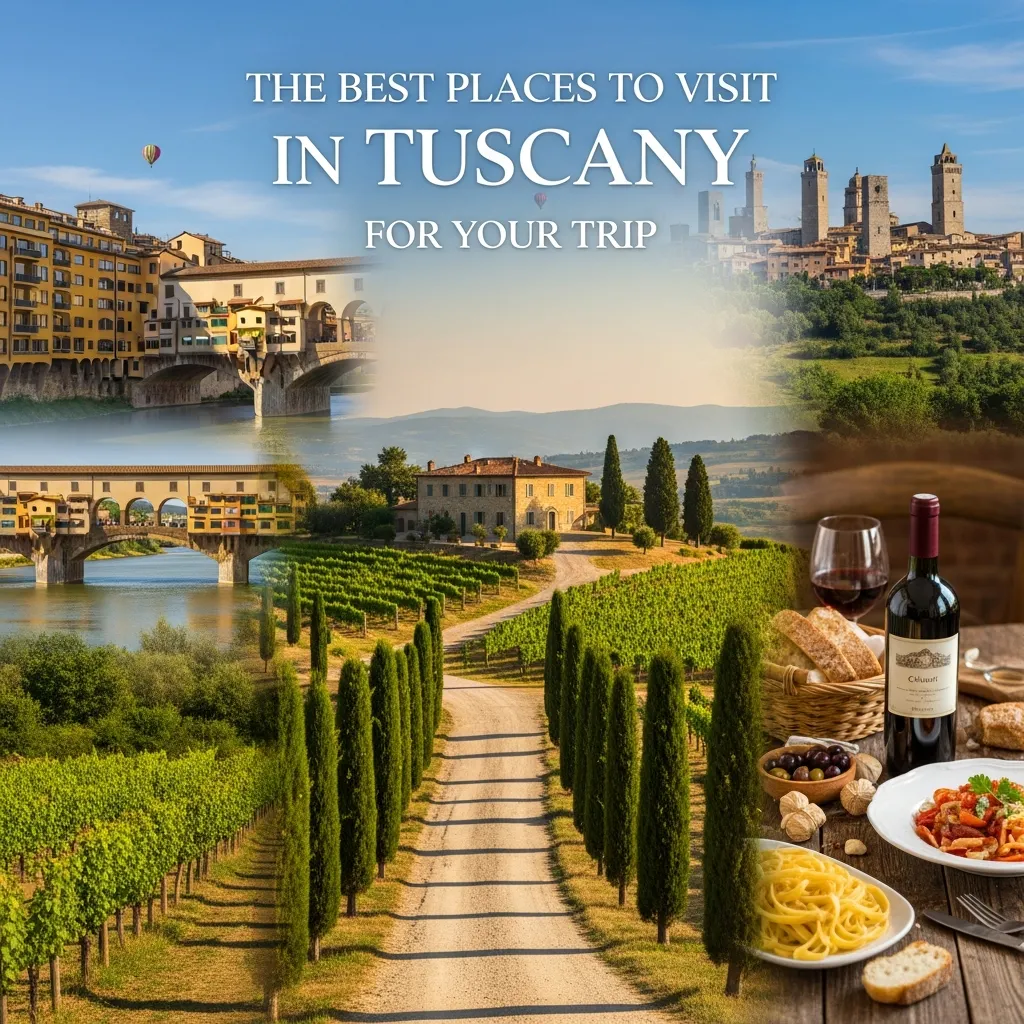
Tuscany represents the ultimate Italian dream for many travelers. Rolling hills lined with cypress trees, vineyards producing world-class wines, and cities packed with Renaissance art define this stunning region. Exploring this area gives you a chance to experience history, culture, and incredible food all in one place. If you want to know the best places to visit in Tuscany, you are in the right spot. This guide will walk you through the most beautiful cities, charming hill towns, and unforgettable landscapes.
Tuscany’s Unique Appeal
When mapping out the best places to visit in Tuscany, a few key locations stand out. Florence offers unmatched Renaissance art. Siena provides medieval charm. Hill towns like San Gimignano and Val d’Orcia deliver those classic, postcard-perfect views. Whether you want to taste wine in Chianti or relax in a thermal bath, the best places to visit in Tuscany offer something for every traveler.
Why Tuscany Captivates Every Traveler
The Allure of Slow Travel in Tuscany
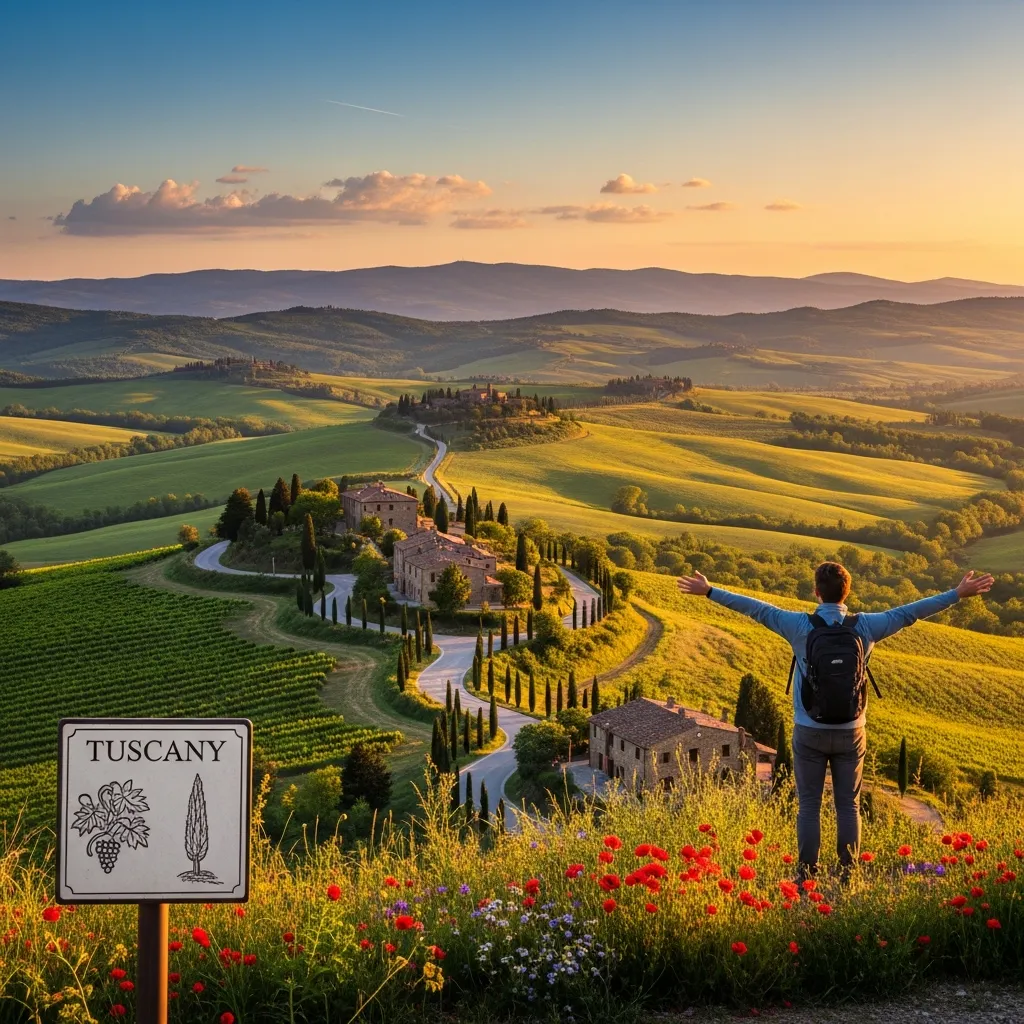
Tuscany is the perfect destination for a Slow Travel Guide. Instead of rushing from one monument to the next, this region encourages you to take your time. You can spend an entire afternoon sitting in a village piazza, sipping local wine, and watching the world go by. Finding the best places to visit in Tuscany means embracing this relaxed pace and soaking up the local atmosphere.
A European Travel Destinations Bucket List Must-Have
Tuscany consistently ranks high on any European Travel Destinations Bucket List. The combination of historical significance, architectural beauty, and culinary excellence makes it a must-see. The best places to visit in Tuscany provide a rich, immersive experience that stays with you long after you return home.
The Heart of Tuscany: Iconic Cities and Towns
Florence: The Cradle of the Renaissance
Florence is undoubtedly one of the best places to visit in Tuscany. As the capital of the region, it holds an incredible amount of art and history.
Must-See Art and Architecture
You cannot visit Florence without seeing the Duomo, with its magnificent dome designed by Brunelleschi. The Uffizi Gallery houses masterpieces by Botticelli, Michelangelo, and Leonardo da Vinci.
Culinary Delights and Market Experiences
Wander through the Mercato Centrale to taste local cheeses, cured meats, and fresh pasta. Grab a traditional lampredotto sandwich if you feel adventurous. Florence mixes high art with exceptional street food perfectly.
Siena: Medieval Splendor and Palio Passion
Siena contrasts with Florence through its stunning medieval gothic architecture. It remains one of the absolute best places to visit in Tuscany.
Piazza del Campo and Duomo
The heart of Siena is the Piazza del Campo, a unique shell-shaped square. Nearby, the Siena Duomo features incredible striped marble columns and intricate floor mosaics that will leave you speechless.
Exploring Siena’s Contrade
Siena is divided into historical neighborhoods called contrade. Walking through these distinct areas gives you a sense of the fierce local pride, especially leading up to the famous Palio horse race.
Pisa: Beyond the Leaning Tower
Many tourists stop in Pisa just for a quick photo, but it is one of the best places to visit in Tuscany if you explore further.
Piazza dei Miracoli
The Leaning Tower is part of the larger Piazza dei Miracoli, which also includes the stunning Cathedral and the Baptistery. The white marble against the green grass is a striking sight.
A Deeper Dive into Pisa’s History
Walk away from the main square to find quiet streets, the scenic Arno river, and lively student cafes. Pisa has a rich maritime history worth discovering.
Enchanting Tuscan Hill Towns and Villages
San Gimignano: The Town of Fine Towers
San Gimignano is famous for its medieval skyline. It is frequently named among the best places to visit in Tuscany for its preserved architecture.
Medieval Architecture and Panoramic Views
Fourteen of the original 72 towers still stand. Climbing the Torre Grossa rewards you with sweeping views of the surrounding countryside.
Vernaccia Wine Tasting
This town is home to Vernaccia, a crisp white wine. After exploring the towers, sit down for a tasting and enjoy the local flavors.
Montepulciano: Renaissance Beauty and Noble Wine
Perched on a high limestone ridge, Montepulciano is a gem among the best places to visit in Tuscany.
Historic Center and Cantine
The town features elegant Renaissance palaces and ancient churches. Below the streets, you will find historic wine cellars (cantine) carved into the rock.
Views of Val d’Orcia
The viewpoints from the edge of Montepulciano overlook the stunning Val d’Orcia, offering some of the best photo opportunities in the region.
Montalcino: Brunello Wine and Fortress Views
Wine lovers consider Montalcino one of the best places to visit in Tuscany.
Brunello di Montalcino
This town is the birthplace of Brunello, one of Italy’s most prestigious red wines. Numerous enotecas line the streets, offering tastings of this robust vintage.
Montalcino Fortress
The 14th-century fortress dominates the town. You can walk along its ramparts to enjoy expansive views of the rolling vineyards.
Cortona: Under the Tuscan Sun Charm
Made famous by literature and film, Cortona retains an authentic, romantic vibe.
Etruscan History and Art
Cortona predates the Romans. The local museum showcases fascinating Etruscan artifacts, adding a deep historical layer to your visit.
Picturesque Streets and Views
Steep, winding streets lead up to incredible vantage points. The town overlooks the Valdichiana and Lake Trasimeno in the distance.
Volterra: Etruscan Walls and Alabaster Crafts
Volterra offers a moodier, more mysterious atmosphere compared to other hill towns.
Roman Theater and Etruscan Museum
Just outside the medieval walls sits a well-preserved Roman theater. The Guarnacci Etruscan Museum houses hundreds of ancient urns and artifacts.
Alabaster Workshops
Volterra is famous for alabaster carving. You can visit traditional workshops to see artisans crafting intricate pieces by hand.
The Natural Beauty of Tuscany: Landscapes and Coastlines
Val d’Orcia: UNESCO World Heritage Landscapes
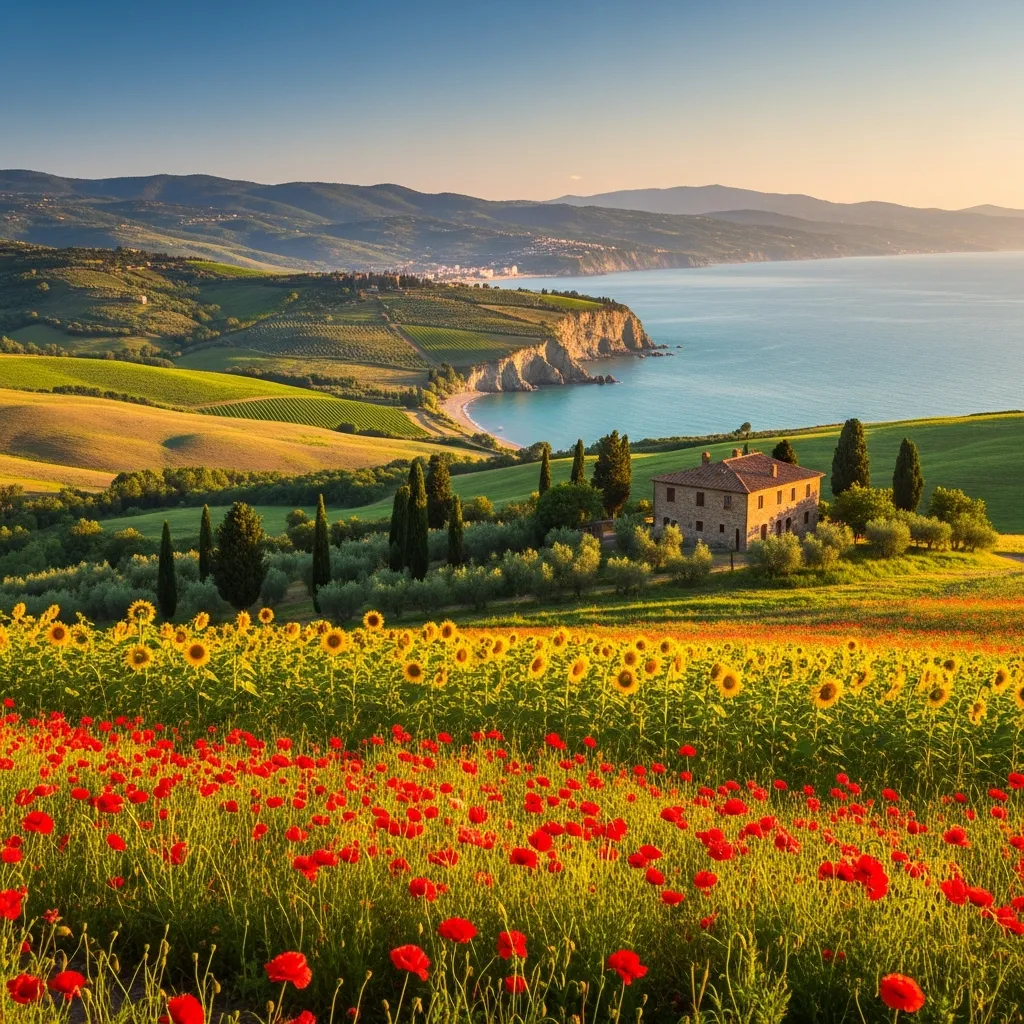
When you close your eyes and picture Tuscany, you are likely imagining the Val d’Orcia. It is undeniably one of the best places to visit in Tuscany for scenery.
Iconic Cypress-Lined Hills
The gently rolling hills, golden wheat fields, and winding roads lined with cypress trees make this area a photographer’s dream.
Thermal Baths of Bagno Vignoni
This tiny village features a massive ancient thermal pool in its main square. It is a unique spot that highlights the geothermal activity of the region.
Chianti Region: Vineyards and Castles
Located between Florence and Siena, Chianti is synonymous with classic Tuscan wine.
Wine Tasting Tours
Taking a wine tour here is essential. You can visit historic estates, learn about the winemaking process, and taste the famous Chianti Classico.
Exploring Chianti Villages
Towns like Greve in Chianti and Castellina offer charming stone streets, local butcher shops, and authentic trattorias.
Maremma: Wild Coastline and Etruscan Secrets
For a different pace, head south to the Maremma region. It is one of the best places to visit in Tuscany if you want to escape the crowds.
Beaches and Nature Reserves
The Maremma features pristine beaches and the rugged Uccellina Nature Reserve, perfect for hiking and spotting wildlife.
Ancient Etruscan Sites
Hidden in the dense forests are ancient Etruscan roads and tombs carved directly into the tufa rock.
Unique Tuscan Experiences
Truffle Hunting in the Forests
Join a local hunter and their specially trained dog to search for prized truffles in the oak forests. It is a thrilling way to connect with the land.
Cooking Classes: Mastering Tuscan Cuisine
Learn how to roll fresh pici pasta and prepare classic sauces. A cooking class is a fantastic way to bring the flavors of Tuscany home with you.
Thermal Spas: Relaxation and Rejuvenation
Tuscany boasts numerous natural hot springs. Places like Saturnia or Rapolano Terme offer warm, mineral-rich waters perfect for relaxing sore travel muscles.
Agriturismo Stays: Authentic Rural Life
To truly experience the best places to visit in Tuscany, stay at an agriturismo. These working farms offer rustic lodging and farm-to-table meals.
Seasonal Guide to Tuscany (Europe Seasonal Guide)
Spring: Blooming Landscapes and Mild Weather
Spring brings bright green hills and blooming poppies. This is a perfect time to explore the best places to visit in Tuscany before the summer heat arrives.
Summer: Festivals and Coastal Escapes
Summer is vibrant and busy. Enjoy outdoor concerts, local food festivals, and sunny days on the Maremma coast.
Autumn: Harvest Season and Truffle Fairs
Autumn is magical. The vineyards turn red and gold, the grape and olive harvests begin, and truffle festivals take over the small towns.
Winter: Cozy Retreats and Fewer Crowds
Winter offers a quiet, peaceful version of the best places to visit in Tuscany. Enjoy crowd-free museums, rich seasonal stews, and cozy evenings by the fire.
Practical Tips for Visiting
Getting Around: Car Rental vs. Public Transport
Trains work well for connecting major cities like Florence and Pisa. However, renting a car is essential to explore the countryside and the best places to visit in Tuscany at your own pace.
Accommodation Options: From Villas to Boutique Hotels
Tuscany offers everything from luxury historic villas to charming bed and breakfasts inside medieval walls.
Essential Phrases and Cultural Etiquette
Learn a few basic Italian phrases like “Buongiorno” (good morning) and “Grazie” (thank you). Remember that dinner typically starts later, around 8:00 PM.
How to truly experience the best places to visit in Tuscany
Slow down. Do not try to see everything in one trip. Pick a few regions, get to know the locals, and savor the experience.
Start Planning Your Tuscan Adventure
The best places to visit in Tuscany offer an incredible mix of art, history, food, and landscapes. From the busy streets of Florence to the quiet hills of Val d’Orcia, this region promises an unforgettable journey. Pack your bags, bring a good appetite, and prepare to fall in love with central Italy.
FAQ
1. What are the absolute best places to visit in Tuscany for a first-timer?
Florence, Siena, and the Chianti wine region are ideal for first-time visitors to get a classic Tuscan experience.
2. How many days do you need to explore the best places to visit in Tuscany?
You need at least 7 to 10 days to see the major cities and explore a few countryside towns without rushing.
3. Is it better to stay in one place or move around when visiting Tuscany?
A mix is best. Spend a few days based in a city like Florence, and then move to an agriturismo in the countryside to explore the smaller villages.
4. What’s the best way to get around the best places to visit in Tuscany?
A rental car is the best way to explore the hill towns and countryside. Trains are great for traveling between major cities.
5. Are the best places to visit in Tuscany suitable for children?
Yes! Many agriturismos have farm animals and pools. Italians love children, and towns offer plenty of gelato and open piazzas for running around.
6. When is the best time of year to visit Tuscany?
May, June, September, and October offer the best balance of pleasant weather and manageable crowds.
7. Do I need to book museum tickets in advance?
Yes, absolutely book tickets for the Uffizi Gallery and the Accademia (to see the Statue of David) well in advance.
8. What is an agriturismo?
An agriturismo is a working farm that offers accommodation to guests, often featuring meals made with their own produce.
9. What are the best places to visit in Tuscany for wine tasting?
Chianti, Montalcino, and Montepulciano are the premier destinations for wine lovers.
10. Is Tuscany expensive to visit?
It can be, but you can manage costs by staying in rural agriturismos, eating at local trattorias, and utilizing free outdoor sights.
11. What food is Tuscany famous for?
Tuscany is known for Bistecca alla Fiorentina (steak), ribollita (bread and vegetable soup), wild boar ragu, and pecorino cheese.
12. Are the hill towns accessible for people with mobility issues?
Many hill towns have steep, cobbled streets which can be challenging. However, cities like Florence and Lucca are mostly flat and highly accessible.



Leave a Reply