

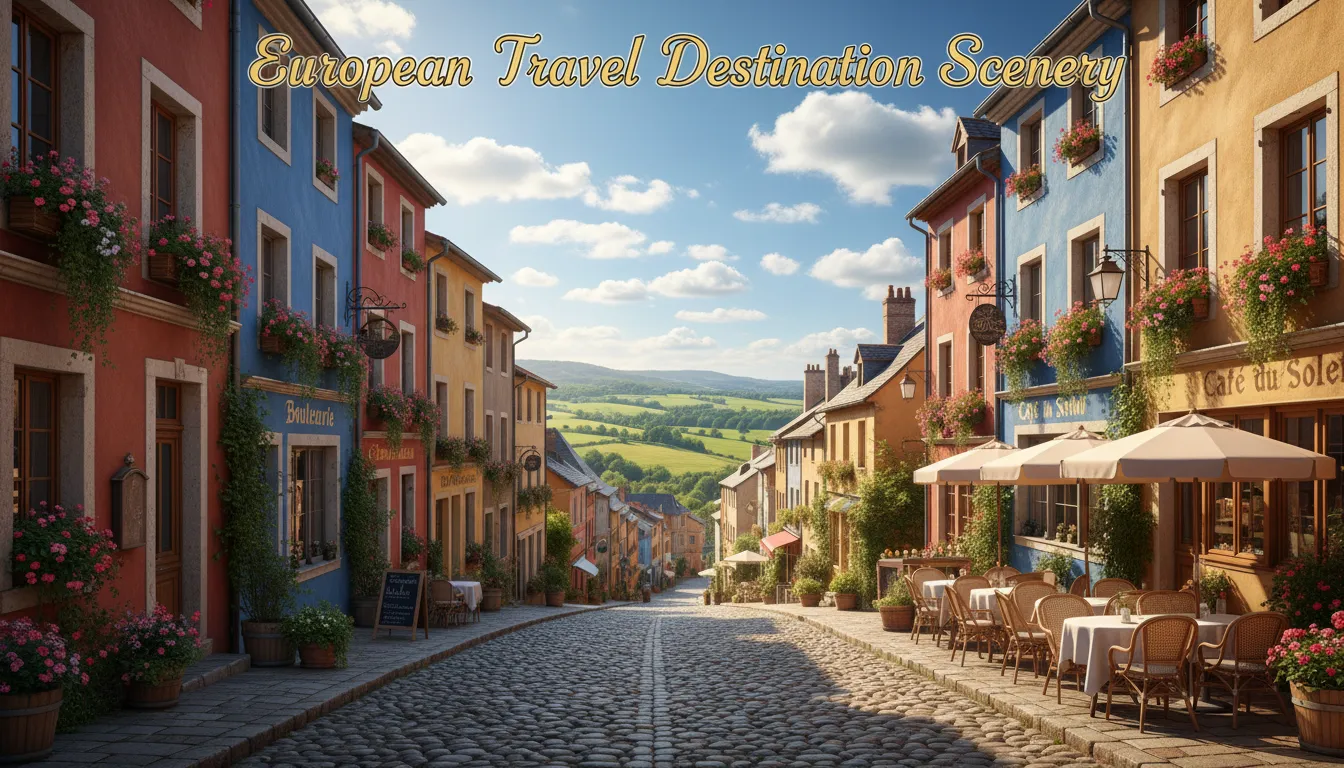
This comprehensive guide highlights the top European travel destinations to add to your bucket list. You will discover a curated mix of iconic cities, breathtaking natural landscapes, and hidden coastal gems. We also share expert travel tips, a destination comparison table, common mistakes to avoid, and a detailed FAQ section to help you plan the perfect European getaway.
Planning a trip across the Atlantic opens the door to thousands of historic streets, pristine beaches, and towering mountain ranges. Choosing where to go can feel overwhelming when every country offers its own unique magic. Whether you want to wander through centuries-old castles, taste world-class cuisine, or hike along dramatic coastlines, narrowing down your itinerary is the first step to an unforgettable adventure. This guide breaks down the most breathtaking European travel destinations you need to experience at least once in your life.
Western European Marvels: Where History Meets Romance
Western Europe remains the gold standard for first-time visitors and seasoned travelers alike. The infrastructure is excellent, the history is deeply preserved, and the landmarks are legendary.
Paris, France: The City of Light
No list of European travel destinations is complete without Paris. Beyond the iconic silhouette of the Eiffel Tower, Paris offers a deep dive into art, gastronomy, and romance. Spend your mornings getting lost in the Louvre or admiring the impressionist masterpieces at the Musée d’Orsay. In the afternoon, stroll through the historic Le Marais district or enjoy a fresh croissant at a sidewalk café in Montmartre.
Pro Tip: Skip the massive lines at the Eiffel Tower and instead head to the top of the Montparnasse Tower for the best panoramic view of the city—which actually includes the Eiffel Tower in the skyline.
The Swiss Alps, Switzerland: A Nature Lover’s Paradise
If your travel style leans more toward fresh mountain air and outdoor adventure, the Swiss Alps demand your attention. Towns like Zermatt, dominated by the majestic Matterhorn, offer world-class skiing in the winter and breathtaking hiking trails in the summer. Ride the Glacier Express for one of the most scenic train journeys on the planet, connecting Zermatt to St. Moritz through deep valleys and over soaring mountain passes.
Bruges, Belgium: A Fairytale Come to Life
Often referred to as the “Venice of the North,” Bruges is a remarkably preserved medieval city. Its cobblestone streets, winding canals, and soaring brick towers make you feel like you have stepped back in time. Take a canal boat tour to see the city from the water, and do not leave without trying authentic Belgian waffles and artisan chocolates from a local chocolatier.
Mediterranean Escapes: Sun, Sea, and Sand
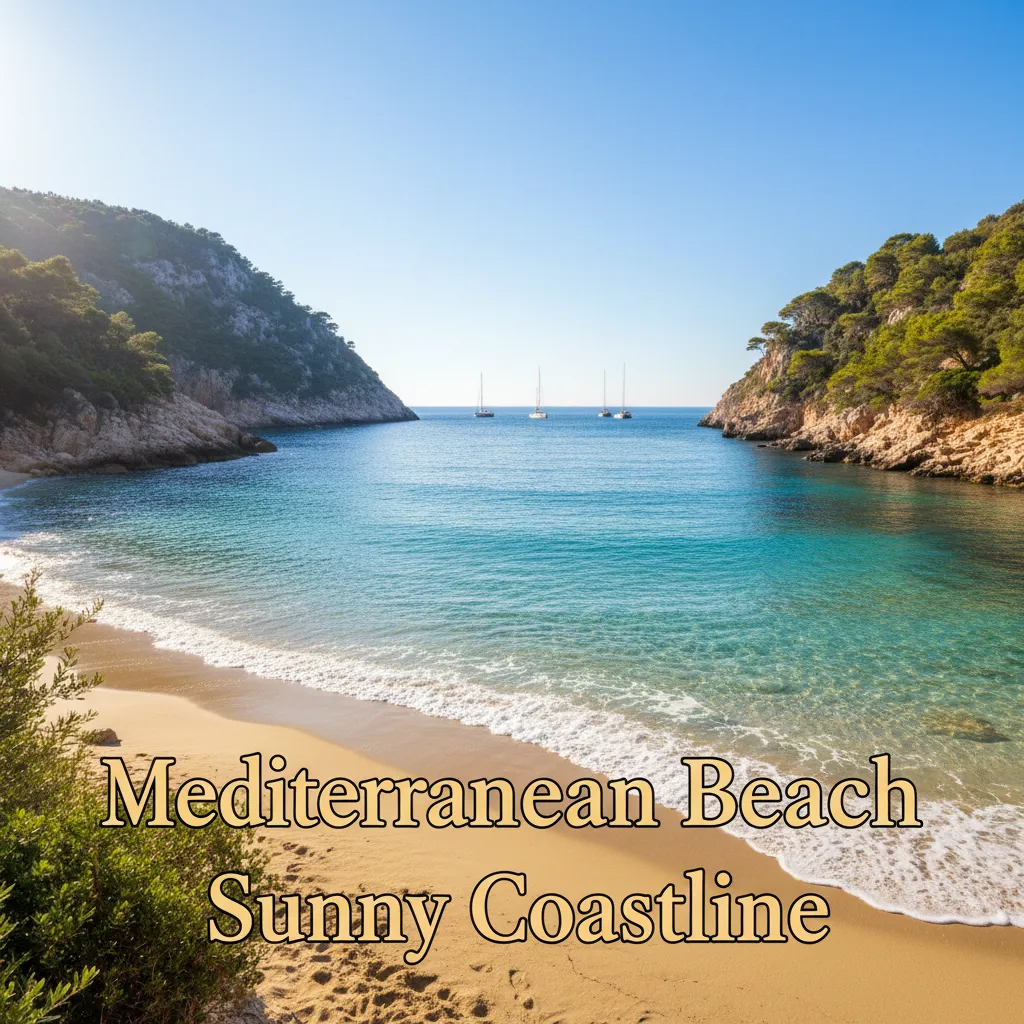
When you crave sunshine, vibrant culture, and fresh seafood, the Mediterranean coast offers some of the most spectacular European travel destinations available.
The Amalfi Coast, Italy
Italy is packed with incredible cities, but the Amalfi Coast offers a visual feast unlike anywhere else. Pastel-colored fishing villages like Positano and Ravello cling to steep cliffs that plunge into the sparkling Tyrrhenian Sea. Drive along the winding coastal roads, taking time to stop at lemon groves and cliffside cafes. For a deeper dive into Italian travel, explore our [ultimate Italy road trip guide] to connect this coastal paradise with Rome and Florence.
Santorini, Greece
Famous for its brilliant whitewashed buildings and blue-domed churches, Santorini is the crown jewel of the Aegean Sea. Formed by a massive volcanic eruption, the island’s crescent shape provides dramatic caldera views from almost every angle. Oia is the most famous village for watching the sunset, but the lesser-known village of Imerovigli offers equally stunning views with a fraction of the crowds.
Dalmatian Coast, Croatia
Croatia has quickly become one of the most sought-after European travel destinations. The Dalmatian Coast, stretching from Split down to Dubrovnik, offers crystal-clear waters and historic walled cities. Dubrovnik, known as the “Pearl of the Adriatic” and recognized as a UNESCO World Heritage Site, allows you to walk along its ancient city walls while looking out over the sparkling Adriatic Sea.
Eastern European Charm: Rich Culture and Affordability
Eastern Europe offers incredible architecture, deep historical roots, and vibrant nightlife, often at a much lower cost than its Western counterparts.
Prague, Czech Republic
Prague survived the world wars largely unscathed, leaving its stunning Gothic, Renaissance, and Baroque architecture beautifully intact. Walk across the 14th-century Charles Bridge at dawn to avoid the crowds, and explore the massive Prague Castle complex overlooking the Vltava River. The city is also famous for its beer culture, offering some of the best and most affordable pilsners in the world.
Budapest, Hungary
Split by the Danube River into “Buda” and “Pest,” Hungary’s capital is a city of stunning contrasts. Buda offers the historic Fisherman’s Bastion and Buda Castle, while Pest is the vibrant hub of the city, famous for its neo-Gothic Parliament building and the lively Jewish Quarter. Budapest is also globally renowned for its thermal baths. Spending an afternoon soaking in the healing waters of the Széchenyi Thermal Bath is an absolute must.
Transylvania, Romania
For a trip off the beaten path, Romania’s Transylvania region offers dramatic Carpathian Mountain landscapes and medieval castles shrouded in myth. While Bran Castle draws tourists for its Dracula connections, the beautiful Peles Castle and the medieval town of Sighisoara offer deeper, more authentic glimpses into the region’s royal and historical past. Check out our [budget travel tips] to maximize your itinerary in Eastern Europe.
Northern Delights: Dramatic Landscapes and Midnight Suns

If you want to trade beaches for dramatic fjords, geysers, and the Northern Lights, head north.
The Norwegian Fjords, Norway
Norway’s western coast is fractured by massive, deep-blue fjords carved by ancient glaciers. Geirangerfjord and Nærøyfjord are two of the most famous, surrounded by steep mountainsides and plunging waterfalls. The best way to experience these natural wonders is by ferry or by taking the famously scenic Flåm Railway, which winds its way down from the high mountains to the fjord below.
Reykjavik and the Golden Circle, Iceland
Iceland feels like another planet. Just a short drive from the capital city of Reykjavik, the Golden Circle route takes you past the erupting Strokkur geyser, the massive Gullfoss waterfall, and Thingvellir National Park, where you can literally walk between the North American and Eurasian tectonic plates. Iceland ranks highly among European travel destinations for travelers who want raw, untouched nature.
Destination Comparison Table
To help you decide which of these European travel destinations is right for your next trip, use this quick comparison guide:
|
Destination |
Best Time to Visit |
Vibe & Experience |
Budget Level |
|---|---|---|---|
|
Paris, France |
Apr-Jun, Sep-Oct |
Art, Food, Romance, Museums |
High |
|
Swiss Alps |
Dec-Mar (Ski), Jul-Aug (Hike) |
Adventure, Nature, Scenery |
Very High |
|
Amalfi Coast, Italy |
May, September |
Coastal, Relaxing, Culinary |
High |
|
Prague, Czech Rep. |
May-Sep, December |
History, Architecture, Nightlife |
Low to Medium |
|
Budapest, Hungary |
Apr-Oct |
Thermal Baths, Culture, Value |
Low to Medium |
|
Iceland |
Jun-Aug (Midnight Sun) |
Wildlife, Landscapes, Road Trip |
High |
Common Mistakes to Avoid When Traveling in Europe
Even experienced travelers can make errors that cost time, money, and energy. Keep these pitfalls in mind as you plan:
- Trying to see too much: The biggest mistake you can make is trying to visit six countries in ten days. You will spend your entire vacation in transit. Pick one or two European travel destinations and explore them deeply.
- Overpacking: Many European cities have cobblestone streets and older hotels without elevators. Lugging a massive 50-pound suitcase up three flights of narrow stairs will ruin your day. Pack a lightweight, versatile carry-on.
- Ignoring local dining customs: In countries like Spain and Italy, locals eat dinner much later than Americans. Restaurants might not open for dinner until 7:30 PM or 8:00 PM. Adjust your schedule to embrace the local pace.
- Forgetting to validate train tickets: In many countries, simply buying a train ticket is not enough. You must validate or stamp it at a machine on the platform before boarding to avoid hefty fines.
Expert Insights and Pro Tips

To make the most of your adventure, keep these expert strategies in your back pocket:
- Embrace shoulder season: July and August bring massive crowds and extreme heat to popular European travel destinations. Travel in May, September, or October. The weather is still pleasant, prices drop, and you will not have to fight for space at major landmarks.
- Utilize the rail network: Europe has one of the best railway systems in the world. Instead of dealing with the hassle of airport security for short flights, use Eurail or local high-speed trains. They take you directly from the city center to the city center.
- Learn a few basic phrases: You do not need to be fluent, but learning how to say “hello,” “please,” “thank you,” and “do you speak English?” in the local language goes a long way in earning respect and better service from locals.
- Carry some cash: While digital payments are widely accepted, many smaller vendors, public restrooms, and remote cafes still operate on cash. Always carry a small amount of local currency.
Conclusion
Building your bucket list is the first step toward an incredible international adventure. Whether you are drawn to the romantic streets of Paris, the dramatic cliffs of the Amalfi Coast, or the historic thermal baths of Budapest, the world’s most beautiful European travel destinations offer something to satisfy every type of wanderlust. Stop dreaming about your perfect vacation and start planning it. Grab your passport, book those tickets, and prepare for a journey that will change the way you see the world.
Frequently Asked Questions (FAQs)
1. What is the cheapest time of year to visit European travel destinations?
The cheapest time to travel is generally during the off-season, which runs from November through March (excluding the weeks around Christmas and New Year’s). Flights and accommodations are significantly discounted during these months.
2. Do I need a visa to travel to Europe?
For US and Canadian citizens, short tourist stays (up to 90 days within 180 days) in the Schengen Area do not currently require a visa. However, the ETIAS (European Travel Information and Authorization System) waiver will soon be required for entry, so always check current travel advisories before booking.
3. What is the best way to travel between European countries?
Trains are often the most efficient and scenic way to travel between neighboring countries. For longer distances (e.g., London to Rome), budget airlines like Ryanair or easyJet offer fast and inexpensive flights.
4. Can I drink the tap water in Europe?
In most Western and Northern European countries (like Germany, France, Switzerland, and Scandinavia), tap water is perfectly safe and highly regulated. In some parts of Southern or Eastern Europe, it is better to ask locals or stick to bottled water.
5. How much should I tip at restaurants in Europe?
Tipping culture varies wildly by country. In many places, a service charge is already included in the bill. Generally, rounding up the bill or leaving a 5% to 10% tip for good service is appreciated but not strictly mandatory, like it is in the United States.
6. Are European travel destinations safe for solo female travelers?
Yes, Europe is generally very safe for solo female travelers. Standard safety precautions apply: stay aware of your surroundings, keep your valuables secure to avoid pickpockets in crowded tourist areas, and avoid walking alone late at night in unfamiliar neighborhoods.
7. How do I avoid massive crowds at popular tourist attractions?
To avoid the biggest crowds, travel during the shoulder season (spring or autumn), book “skip-the-line” tickets well in advance, and visit the most famous landmarks right when they open early in the morning.
8. Will my credit cards work in Europe?
Yes, Visa and Mastercard are widely accepted across most European travel destinations. American Express is less commonly accepted. Ensure your card has no foreign transaction fees, and always choose to pay in the local currency if a credit card terminal asks you to choose.
9. Do I need an international driving permit to rent a car?
It depends on the country. Some nations require an International Driving Permit (IDP) alongside your native driver’s license. It is inexpensive to obtain one before your trip, so it is highly recommended if you plan on doing any road trips.
10. What is the best European destination for a first-time visitor?
London, Paris, and Rome are widely considered the best introductions to Europe. They feature world-famous landmarks, robust tourism infrastructures, and widespread English proficiency, making them highly accessible for first-timers.



Leave a Reply