

A comprehensive travel guide to the United States, offering insights into its diverse landscapes, vibrant cities, and cultural experiences. This guide will help you plan an unforgettable journey across America, from iconic landmarks to hidden gems.
America is a country of staggering proportions and endless variety. From the towering skyscrapers of New York City to the plunging depths of the Grand Canyon, the landscape changes dramatically from state to state. Planning a trip across this vast nation can feel overwhelming. You have fifty states to choose from, spanning multiple time zones, climates, and cultural identities.
Choosing the US for your next adventure means embracing a road trip culture like no other, exploring incredibly diverse national parks, and experiencing world-class dining and entertainment. Whether you want to hike snow-capped mountains or relax on sun-drenched beaches, this country has a destination perfectly suited to your travel style.
This comprehensive travel guide to United States will break down everything you need to know to plan a seamless journey. We will cover the best times to visit, transportation options, regional highlights, and practical tips to ensure your American vacation is nothing short of spectacular.
Planning Your Trip to the United States
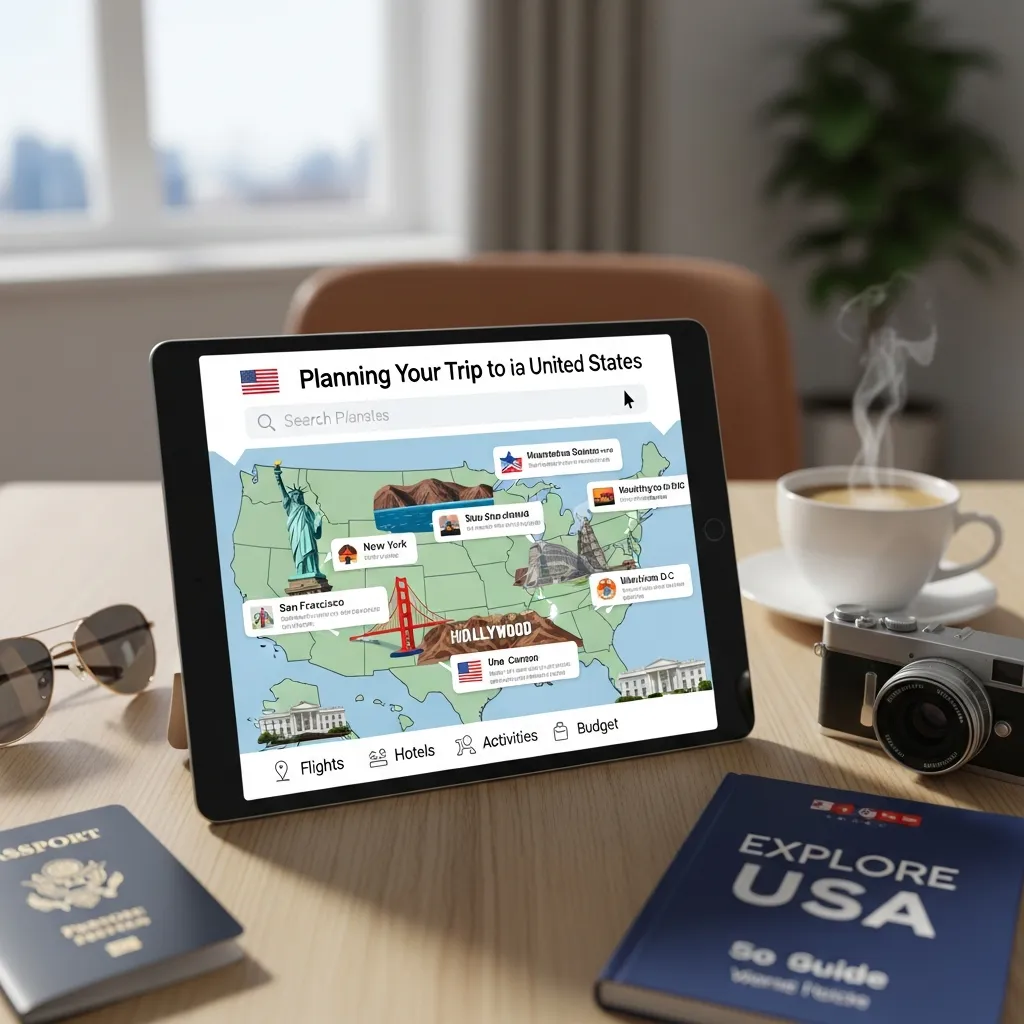
The key to a successful American vacation is solid preparation. Because the country is so massive, trying to see it all in one trip is impossible. Focus on specific regions or themes instead.
Best time to visit
The United States is a year-round destination, but the best time to go depends entirely on where you plan to travel. Summer (June to August) is peak tourist season, offering warm weather perfect for exploring the national parks and coastal beaches. Fall (September to November) brings spectacular foliage to New England and comfortable temperatures to the Southwest. Winter (December to February) is ideal for skiing in the Rocky Mountains or escaping the cold in Florida. Spring (March to May) offers blooming flowers and mild weather across the southern states.
Visa and entry requirements
Before booking any flights, check your entry requirements. Many international visitors can enter the US using the Electronic System for Travel Authorization (ESTA) under the Visa Waiver Program. If your country is not part of this program, you will need to apply for a B-2 tourist visa through a US embassy or consulate. Always ensure your passport is valid for at least six months beyond your planned date of departure.
Transportation: Flights, road trips, and public transport
Flying is the most efficient way to cross the country. Major hubs include Atlanta, Chicago, Los Angeles, and New York. However, the classic American experience is the road trip. Renting a car gives you the freedom to explore small towns and scenic byways at your own pace. Public transportation, such as Amtrak trains and Greyhound buses, can be useful for specific routes, but a car is almost essential outside major cities like New York or Boston.
Accommodation options
Accommodation in the US ranges from budget-friendly motels along the highways to luxurious five-star resorts in major metropolises. Vacation rentals and cabins are excellent for families or groups wanting more space, especially near national parks. Booking well in advance is highly recommended during the summer months and major holidays.
Budgeting for your travel guide to United States
Your budget will vary wildly depending on your destinations. Coastal cities like San Francisco and New York are notoriously expensive. Conversely, exploring the Midwest or taking a camping-focused road trip through national parks can be quite affordable. Plan a daily budget that accounts for accommodation, food, rental cars, gas, and attraction entrance fees.
Exploring the Diverse Regions of the United States
To truly appreciate this country, you need to understand its distinct regions. Each area offers a unique flavor, history, and landscape.
The Northeast: Historic cities and scenic coastlines
The Northeast is the historic heart of the country, densely populated and rich in cultural institutions.
New York City: The urban jungle
No travel guide to United States is complete without mentioning New York City. From the bright lights of Times Square to the peaceful paths of Central Park, NYC is a sensory overload. Explore world-renowned museums, catch a Broadway show, and eat your way through distinct neighborhoods like Brooklyn and Queens.
Boston: American history
Walk the Freedom Trail to trace the steps of the American Revolution. Boston combines cobblestone charm with a thriving academic and tech scene, largely driven by institutions like Harvard and MIT.
New England: Fall foliage and charming towns
Head north to Maine, Vermont, and New Hampshire for rugged coastlines and picturesque small towns. This region is especially famous for its brilliant autumn colors and fresh lobster.
The Southeast: Southern charm and sunny beaches
Warm weather, incredible comfort food, and deep musical roots define the American South.
Florida: Beaches and theme parks
Florida is the undisputed theme park capital of the world, home to Disney World and Universal Studios. Beyond the parks, you can explore the art deco architecture of Miami or relax on the white sands of the Gulf Coast.
New Orleans: Culture and cuisine
New Orleans is a city unlike any other. Famous for its vibrant jazz scene, historic French Quarter, and mouth-watering Creole and Cajun cuisine, it is a place built on celebration and resilience.
The Carolinas: Mountains and coast
North and South Carolina offer a beautiful blend of Appalachian mountains and serene Atlantic beaches. Charleston, SC, stands out for its well-preserved architecture and historic charm.
The Midwest: Heartland of America
Often referred to as the “flyover states,” the Midwest offers genuine hospitality, massive lakes, and incredible cities.
Chicago: Architecture and deep-dish pizza
Sitting on the shores of Lake Michigan, Chicago boasts some of the world’s most impressive modern architecture. Enjoy a slice of deep-dish pizza, visit the Art Institute, and take a boat tour along the Chicago River.
National Parks: Badlands and Gateway Arch
The Midwest is home to unique landscapes like the dramatic rock formations of South Dakota’s Badlands and the iconic Gateway Arch in St. Louis, Missouri.
The Southwest: Deserts, canyons, and vibrant cultures
The Southwest features alien-like landscapes painted in brilliant shades of red and orange.
Grand Canyon: A natural wonder
Standing on the rim of the Grand Canyon in Arizona is a humbling experience. The sheer scale of this natural wonder makes it a mandatory stop on any western road trip.
Las Vegas: Entertainment capital
Rising out of the Nevada desert, Las Vegas is a neon-lit playground. Beyond the casinos, it offers world-class dining, spectacular live shows, and easy access to nearby natural wonders like the Valley of Fire.
Santa Fe: Art and history
New Mexico’s capital is famous for its Pueblo-style architecture and thriving arts scene. It is a fantastic place to learn about Native American culture and history.
The West: Mountains, Pacific coast, and national parks
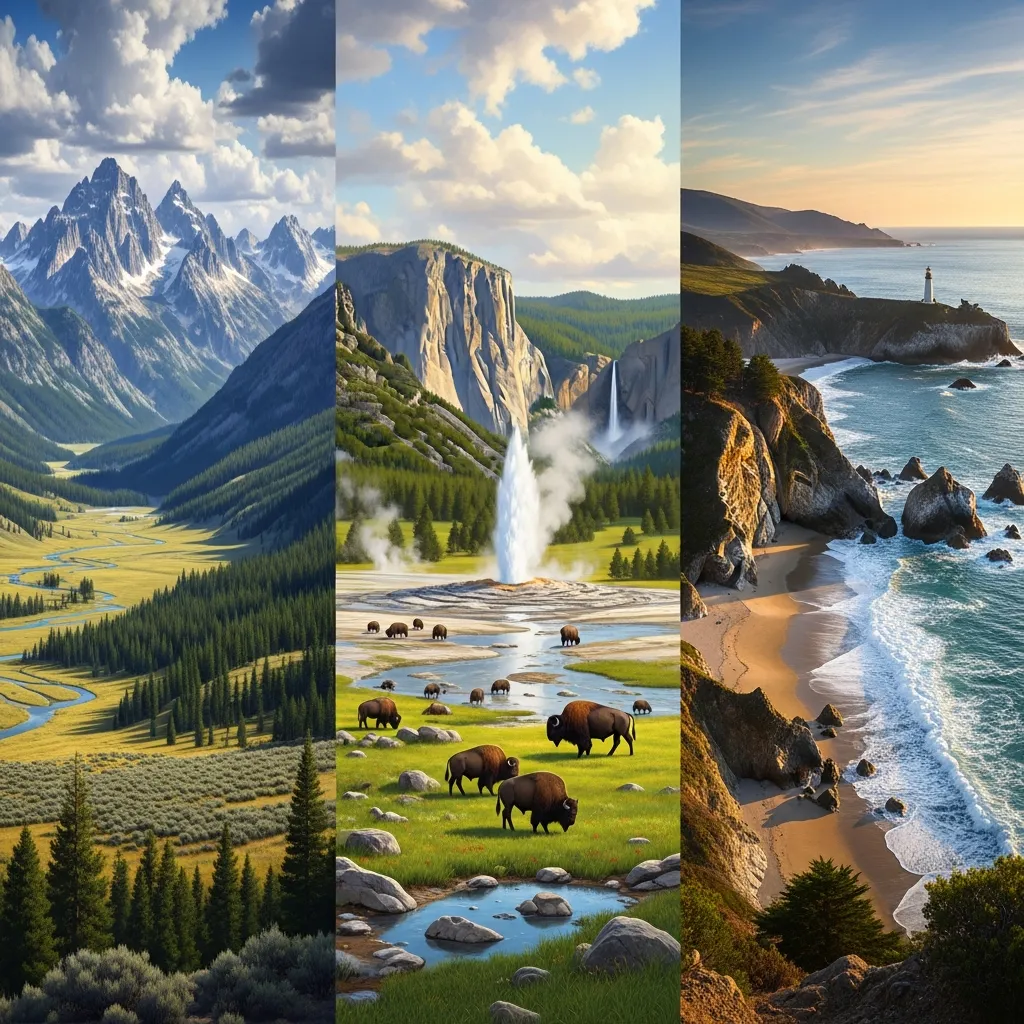
The American West is defined by its massive scale, pioneering spirit, and incredible geographic diversity.
California: Golden State
From the tech hubs of San Francisco to the entertainment empire of Los Angeles, California feels like its own country. Drive the Pacific Coast Highway, explore the massive trees in Yosemite, or sample wine in Napa Valley.
Pacific Northwest: Nature and innovation
Washington and Oregon are famous for their lush, rainy climates, coffee culture, and rugged coastlines. Cities like Seattle and Portland are surrounded by towering mountains and deep green forests.
Rocky Mountains: Outdoor adventures
Colorado, Wyoming, and Montana offer some of the best hiking, skiing, and wildlife viewing in North America.
Must-See Attractions and Experiences
A thorough travel guide to United States must highlight the experiences that make a trip here unforgettable.
Iconic landmarks
The Statue of Liberty, Mount Rushmore, the Golden Gate Bridge, and the Lincoln Memorial are symbols recognized around the globe. Visiting these sites provides a deeper understanding of American ideals and history.
National Parks: A comprehensive guide
The US National Park system is often called “America’s Best Idea.” Yellowstone features erupting geysers and roaming bison. Zion offers towering sandstone cliffs. Acadia provides stunning coastal hikes. Purchasing an “America the Beautiful” annual pass is highly recommended if you plan to visit more than three parks.
Culinary journey across the states
American food goes far beyond burgers and fries. Try Texas barbecue, New England clam chowder, a Philly cheesesteak, and Alaskan salmon. Each region has a signature dish that tells the story of its people and geography.
Cultural experiences and local festivals
To truly connect with the country, attend a local event. Go to a baseball game on a warm summer evening, experience the thrill of a rodeo in Texas, or attend the massive Albuquerque International Balloon Fiesta.
Tips for a Memorable Trip
Navigating a new country requires a bit of practical knowledge to ensure things go smoothly.
Safety tips for travelers
The US is generally safe for tourists, but standard precautions apply. Be aware of your surroundings in large cities, keep your valuables secure, and avoid walking through unfamiliar neighborhoods late at night. If you are exploring the wilderness, always bring extra water and let someone know your itinerary.
Packing essentials
Because the climate varies so much, packing layers is critical. Bring comfortable walking shoes for the cities and sturdy hiking boots for the parks. A universal power adapter is necessary for international visitors to charge electronics.
Staying connected
Free Wi-Fi is widely available in hotels, cafes, and restaurants. However, purchasing a prepaid US SIM card or an eSIM is the best way to ensure you have reliable GPS navigation and communication while on the road.
Respecting local customs
Tipping is mandatory in the United States. Waitstaff in restaurants rely on tips for their income, so leaving 15% to 20% of the total bill is standard practice. Also, remember that sales tax is usually added at the register, so the price on the tag is not the final price you will pay.
Beyond the United States: A Glimpse at International Travel

Once you have conquered the vastness of America, you might start thinking about your next big trip.
Comparing with a travel guide to Europe
While a travel guide to United States emphasizes wide-open spaces and long road trips, a travel guide to Europe often focuses on rapid cross-border train travel, ancient history, and dense, walkable cities. Both offer incredible experiences, but the logistics of navigating them are entirely different.
Discovering Hidden Hot Springs
If you love the geothermal features of Yellowstone, you might enjoy seeking out Hidden Hot Springs in other parts of the world, from the secluded mountains of Japan to the frosty landscapes of Iceland.
Exploring Hidden Photo Locations in Paris
If the architecture of New York and Chicago inspires you, crossing the Atlantic to find Hidden Photo Locations in Paris will provide a totally different architectural aesthetic, focusing on Gothic cathedrals and romantic, winding streets.
Make Your American Dream a Reality
The United States is a country that demands multiple visits. Its sheer size guarantees that no matter how much you see, there will always be something new waiting over the horizon. From the bustling streets of its massive cities to the quiet majesty of its natural landscapes, America offers an adventure for every type of traveler.
Use this travel guide to United States as a starting point. Choose a region, pack your bags, and get ready to hit the open road. The ultimate American road trip is waiting for you.



Leave a Reply