

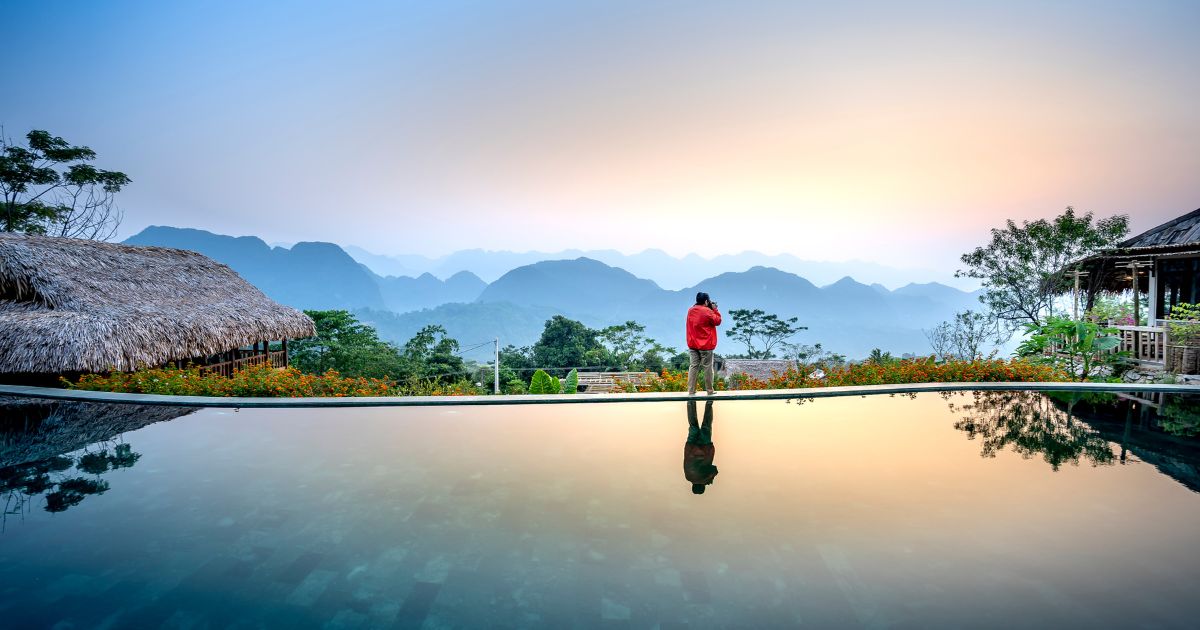
The idea of packing a bag and setting off to explore a new corner of the world entirely on your own can be simultaneously thrilling and terrifying. Solo travel is more than just a vacation; it’s a journey of self-discovery, a challenge to your resourcefulness, and an unparalleled opportunity for personal growth. It’s about tasting food without having to compromise, lingering in a museum for hours without feeling rushed, and striking up conversations with strangers who might become lifelong friends. You are the master of your itinerary, the captain of your ship. In a world that constantly demands we connect, collaborate, and compromise, traveling alone is a radical act of self-reliance. It forces you to trust your instincts, solve problems independently, and become comfortable in your own company. This guide is designed to demystify the process, transforming your apprehension into anticipation and equipping you with the knowledge to embark on your first solo adventure with absolute confidence.
Step 1: Choosing Your First Solo Destination
The planet is vast, and picking that very first destination can feel overwhelming. The key is to choose a place that aligns with your interests, budget, and comfort level. This first trip is about building confidence, so there’s no shame in starting small.
Consider Your Comfort Zone
Are you an urban explorer or a nature enthusiast? Do you thrive in bustling cities or serene countrysides? For your first trip, consider a destination that isn’t a massive culture shock. If you only speak English, choosing a country with a high level of English proficiency (like the Netherlands, Singapore, or New Zealand) can ease communication barriers. Think about infrastructure as well. A country with a robust public transportation system and a well-trodden tourist path can make navigation significantly less stressful for a beginner.
Research Safety and Accessibility
Safety is paramount, especially when you’re on your own. Research the political climate, local customs, and common scams of potential destinations. Websites like the U.S. Department of State or your country’s equivalent offer detailed travel advisories. Read blogs and forum posts from other solo travelers to get on-the-ground insights. Look for destinations known for being welcoming to tourists and having a low crime rate.
Top Destinations for First-Time Solo Travelers
- Iceland: Incredibly safe, stunningly beautiful, and easy to navigate. The Golden Circle route is perfect for a solo road trip, and English is widely spoken.
- New Zealand: The adventure capital of the world. It’s renowned for its safety, friendly locals (“Kiwis”), and a fantastic infrastructure for backpackers and independent travelers.
- Portugal: Affordable, safe, and full of charming cities, beautiful coastlines, and delicious food. Lisbon and Porto have vibrant hostel scenes, making it easy to meet people.
- Costa Rica: A haven for nature lovers. With its “Pura Vida” lifestyle, it’s a welcoming country with a focus on eco-tourism and a well-established path for travelers.
- Japan: One of the safest countries in the world. Its efficient public transport, unique culture, and incredible politeness make it a surprisingly easy country to navigate alone, despite the language barrier.
Step 2: Planning and Budgeting Like a Pro
Spontaneity has its place, but a well-planned trip is a stress-free trip. A solid plan doesn’t mean a rigid itinerary; it means having a framework that allows for joyful detours.
Setting a Realistic Budget
Your budget will dictate the length of your trip, your style of travel, and your daily activities. Break it down into major categories:
- Pre-Trip Costs: Flights, travel insurance, visas, and any necessary gear or vaccinations.
- Major On-Trip Costs: Accommodation (your biggest daily expense).
- Daily Expenses: Food, local transportation, entrance fees for attractions, and activities.
- Contingency Fund: Always set aside an extra 10-15% of your total budget for unexpected events, like a missed train or a spontaneous skydiving opportunity.
Use websites like Numbeo to estimate the daily cost of living in your chosen destination. Track your spending with an app like Tripcoin or a simple spreadsheet to stay on course.
Booking Flights and Accommodation
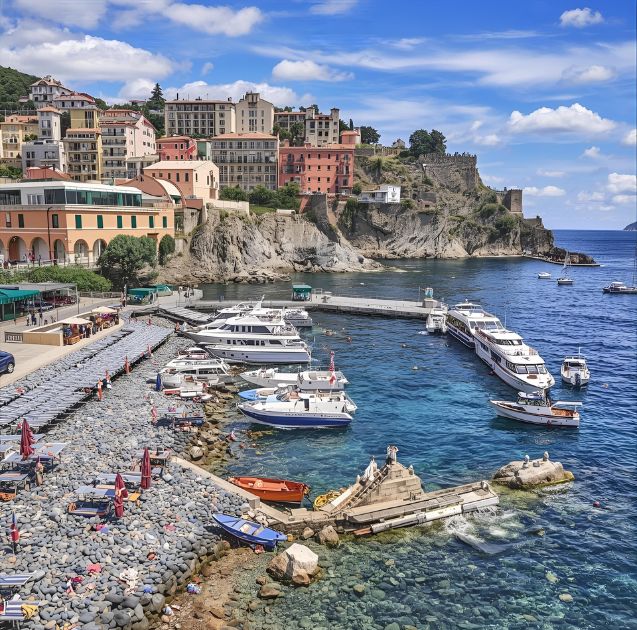
For flights, be flexible with your dates. Use tools like Google Flights or Skyscanner, which allow you to view prices over an entire month to find the cheapest days to fly. When it comes to accommodation, solo travelers have a wealth of options. Hostels are fantastic for meeting other people and are very budget-friendly. Look for ones with good reviews, private lockers, and possibly female-only dorms if that makes you more comfortable. Private rooms on Airbnb or traditional guesthouses offer more solitude and a chance to interact with local hosts.
The Art of Packing Light
Carrying your entire world on your back is a lesson in minimalism. A carry-on-sized backpack (around 40L) is often all you need. It saves you from checked bag fees, the risk of lost luggage, and the agony of dragging a heavy suitcase over cobblestone streets. The key is to pack versatile, layerable clothing in a neutral color palette. Packing cubes are a game-changer for organization. Remember the golden rule: lay out everything you think you need, and then put half of it back. You can almost always buy anything you forget.
Step 3: Staying Safe and Healthy on the Road
Your well-being is the number one priority. A few proactive measures can ensure your trip is memorable for all the right reasons.
Essential Safety Precautions
- Share Your Itinerary: Leave a copy of your flight details, accommodation info, and general plan with someone you trust back home. Schedule regular check-ins.
- Be Aware of Your Surroundings: This is the most crucial advice. Avoid walking alone at night in poorly lit areas, keep your valuables secure and out of sight, and be cautious of overly friendly strangers offering deals that seem too good to be true.
- Trust Your Gut: If a situation or a person feels off, it probably is. Remove yourself from the situation immediately. Your intuition is your best defense mechanism.
- Blend In: Dress modestly and try to respect local customs. The less you look like a tourist, the less of a target you become.
- Secure Your Documents: Have digital and physical copies of your passport, visa, and other important documents. Keep them separate from the originals.
Health and Wellness While Traveling
Traveling can take a toll on your body. Prioritize your health by staying hydrated, getting enough sleep, and maintaining a relatively balanced diet. It’s okay to indulge, but don’t subsist solely on street food and pastries. Pack a small first-aid kit with basics like pain relievers, antiseptic wipes, bandages, and any personal medications. Research the local healthcare system and know the emergency contact number for your destination.
Travel Insurance: The Non-Negotiable
If you can’t afford travel insurance, you can’t afford to travel. It’s that simple. A good policy will cover medical emergencies, trip cancellations, lost luggage, and theft. It provides a financial safety net and peace of mind that is invaluable. Read the policy carefully to understand what is and isn’t covered before you purchase.
Step 4: Navigating the Social Scene: Making Friends & Enjoying Solitude
One of the biggest misconceptions about solo travel is that you’ll be lonely. While moments of loneliness can happen, you’ll often find you’re rarely alone unless you choose to be.
How to Meet Other Travelers
Staying in hostels is the easiest way to meet people. Hang out in the common areas, join hostel-organized events like pub crawls or walking tours, and don’t be afraid to strike up a conversation. Free walking tours are another fantastic way to meet fellow travelers while getting to know a new city. Group activities, like a cooking class, a scuba diving course, or a day tour, are also perfect for connecting with like-minded individuals.
Embracing Dining Alone
The thought of eating alone in a restaurant can be daunting for many. Reframe it. It’s not sad; it’s an opportunity. Bring a book or a journal. Sit at the bar where you can chat with the bartender. Or simply put your phone away and people-watch, soaking in the ambiance. You’ll soon find it’s a peaceful and enjoyable experience.
Dealing with Loneliness
It’s okay to feel a pang of loneliness now and then. It’s a natural part of the experience. When it hits, have a strategy. Call a friend or family member back home. Put on your favorite playlist and go for a walk. Head to a bustling cafe or a hostel common room to be around other people. Acknowledge the feeling, but don’t let it consume you. It will pass.
The Transformative Power of Traveling Alone
Beyond the sights you’ll see and the photos you’ll take, solo travel changes you from the inside out. Every challenge you overcome builds a layer of resilience. Every successful navigation of a foreign subway system builds confidence. Every conversation with a stranger broadens your perspective. You learn to be your own best friend, your own problem-solver, and your own source of entertainment. You return home not just with souvenirs, but with a deeper understanding of the world and, more importantly, of yourself. You prove to yourself that you are capable, independent, and brave. That profound sense of accomplishment is the greatest gift of solo travel, and it’s a feeling that will stay with you long after you’ve unpacked your bags.
Frequently Asked Questions (FAQ)
Is solo travel safe for women?
Absolutely, but it requires an extra layer of awareness. Millions of women travel solo safely every year. The key is thorough research. Choose destinations with a good track record for female safety. Adhere to local dress codes to avoid unwanted attention. Be assertive and confident in your body language. Trust your intuition above all else. Many online communities, like The Solo Female Traveler Network, offer fantastic resources and support.
How do I handle emergencies?
Preparation is key. Before you go, know the local emergency number (it’s not always 911). Have the address and contact information for your country’s embassy or consulate. Keep your emergency fund in a separate account or location. Your travel insurance will have a 24/7 emergency assistance line; save that number in your phone. Stay calm, assess the situation, and utilize the resources you prepared.
Won’t I get bored traveling alone?
It’s highly unlikely! Between navigating, sightseeing, trying new foods, and meeting new people, you’ll have very little downtime. And when you do, it’s a welcome chance to relax, read, or simply reflect on your experiences. The freedom to do exactly what you want, when you want, is the ultimate cure for boredom.
Conclusion: Your Adventure Awaits
The first step is always the hardest. It’s easy to create a list of reasons why you shouldn’t go. But the reasons why you should are infinitely more powerful. The world is waiting to be explored, and you have everything you need to see it on your own terms. Use this guide as your starting block, do your research, and take the leap. The person who returns will be more confident, more capable, and more connected to the world than the person who left. Your solo adventure is not just a trip; it’s the beginning of a new chapter. Start writing it.
Feeling overwhelmed by planning your next getaway? From Dream to Destination: Your Ultimate Step-by-Step Trip Planning Blueprint breaks down the process into easy, actionable steps to help you turn travel dreams into unforgettable realities.



Leave a Reply