

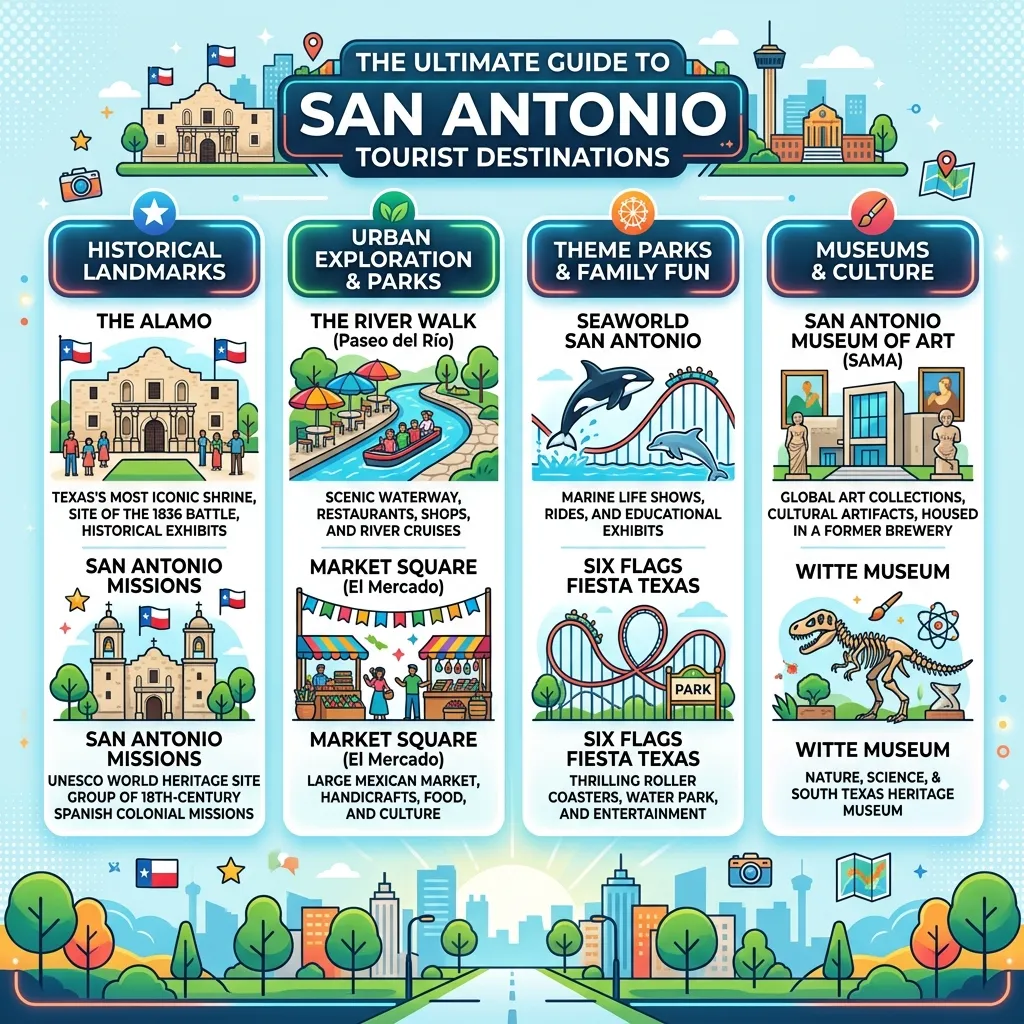
San Antonio offers a compelling mix of UNESCO-listed missions, the iconic River Walk, world-class museums, and family attractions like Six Flags Fiesta Texas and SeaWorld. Whether you’re a history buff, foodie, outdoor explorer, or digital nomad, San Antonio tourist destinations deliver exceptional variety at every budget level.
San Antonio sits at the crossroads of Texan pride and deep-rooted Hispanic heritage—a city where centuries-old missions stand just minutes from buzzing craft cocktail bars and rooftop restaurants. It’s one of the fastest-growing cities in the United States, and for good reason. More than 37 million visitors explored the city in 2023, drawn by a combination of historical depth, cultural energy, and year-round sunshine.
What makes San Antonio genuinely different from other Destinations in the USA is its layering. You can spend a morning standing in the shadow of the Alamo—a building that shaped the identity of an entire state—then spend the afternoon browsing contemporary art galleries or sipping espresso in the Pearl District. The range is remarkable.
For families, solo travelers, couples, and even those following a Digital Nomad Blueprint, the city delivers. Coworking spaces, walkable neighborhoods, affordable accommodations, and a thriving local food scene have made San Antonio a legitimate base for remote workers exploring the American South and Southwest.
This guide covers every essential San Antonio tourist destination—from the world-famous River Walk to quieter local favorites—along with practical planning tips to help you make the most of your visit.
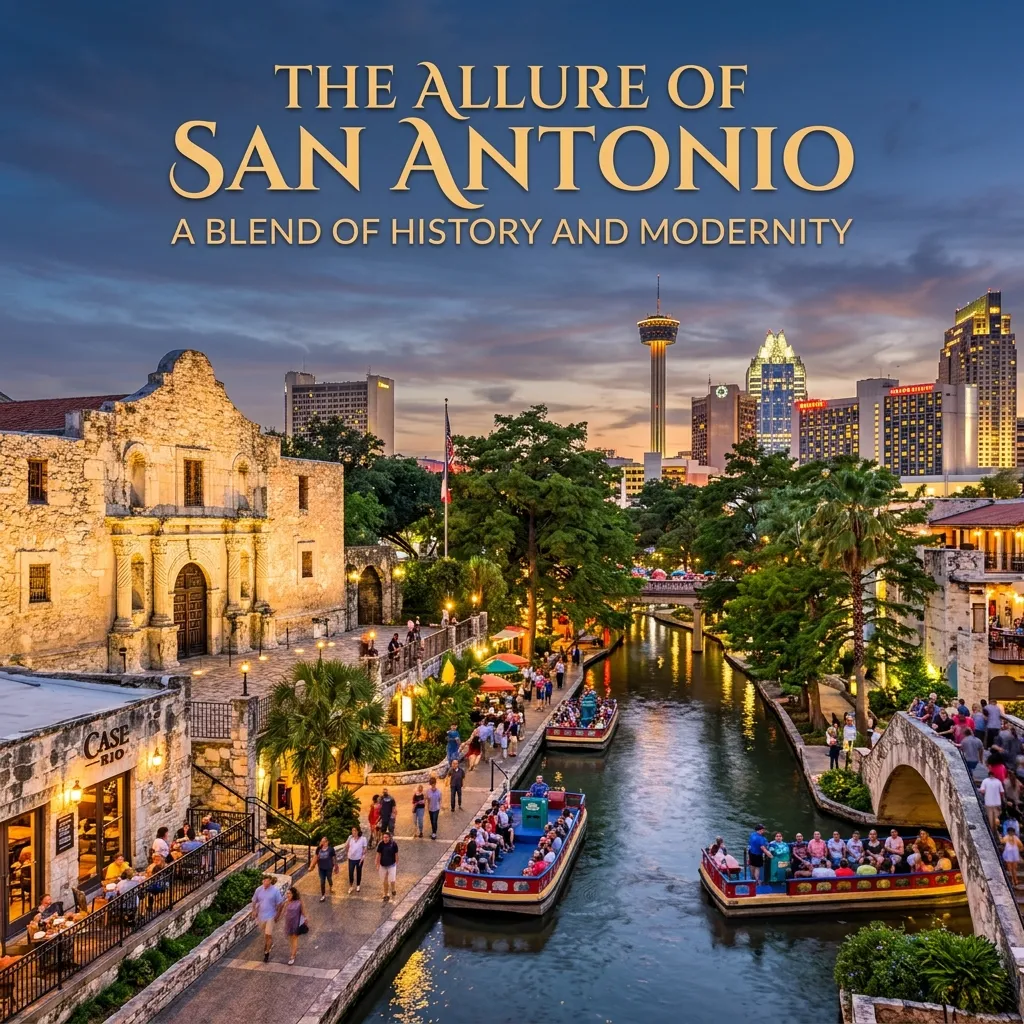
The Allure of San Antonio: A Blend of History and Modernity
Why San Antonio Is a Top Midwest Travel Destination Worth Considering
Technically located in South Texas, San Antonio functions as a natural hub for travelers moving through the broader heartland of the United States. Its accessibility—served by San Antonio International Airport with direct flights from dozens of major cities—and its relatively low cost of living compared to Austin or Dallas make it a preferred stop for those exploring Midwest Travel Destinations and the wider American interior.
The city’s bilingual, bicultural character sets it apart. Spanish colonial architecture lines streets named in both English and Spanish. Street food vendors sell elotes and tamales a block away from James Beard-recognized restaurants. This cultural texture isn’t performed for tourists—it’s lived, and visitors feel the authenticity immediately.
The Heart of San Antonio: Iconic Historical Sites
The Alamo: A Symbol of Texan Independence
No list of San Antonio tourist destinations is complete without the Alamo. Built in the early 18th century as the Mission San Antonio de Valero, the structure became the site of the famous 1836 Battle of the Alamo during Texas’ fight for independence from Mexico. Today, the Alamo is a free-to-visit museum and chapel managed by the Texas General Land Office. Arriving early—before 9 AM—helps you avoid the largest crowds and allows for a more contemplative experience inside the Long Barrack Museum.
San Antonio Missions National Historical Park: UNESCO World Heritage Site
Four additional Spanish colonial missions—Mission Concepción, Mission San José, Mission San Juan, and Mission Espada—form the San Antonio Missions National Historical Park. Designated a UNESCO World Heritage Site in 2015, this is the largest collection of Spanish colonial missions in North America. All four remain active Catholic parishes, which gives the site a living, breathing quality that purely archaeological sites often lack. Entrance is free, and the missions are connected by the eight-mile Mission Reach trail, perfect for cyclists and walkers.
Spanish Governor’s Palace: Colonial Charm
Located just off the Main Plaza, the Spanish Governor’s Palace is one of the finest examples of Spanish Colonial architecture in the United States. Built in 1749, this National Historic Landmark offers a quiet, often-overlooked glimpse into San Antonio’s colonial-era governance and domestic life. Admission is minimal, and guided tours run throughout the week.
The Vibrant San Antonio River Walk
Exploring the Paseo del Río: Dining, Shopping, and Entertainment
The San Antonio River Walk—locally called Paseo del Río—is a 15-mile network of walkways along the San Antonio River, lined with restaurants, shops, hotels, and public art. Stretching from the Pearl District in the north to the historic missions in the south, the River Walk is the most visited tourist destination in Texas and one of the top San Antonio tourist destinations overall.
The most active stretch runs through downtown, where outdoor dining terraces spill onto the riverbanks and live music drifts from open-air bars on weekend evenings.
River Boat Tours: A Unique Perspective
Go Rio Cruises operates narrated flat-bottom barge tours along the River Walk year-round. The 35-minute tours provide historical context and architectural highlights from a water-level vantage point that walking the path simply can’t replicate. Tickets typically run around $15 for adults, with discounts for children and seniors.
Seasonal Events and Festivals
The River Walk transforms with the seasons. Fiesta San Antonio—a ten-day celebration held each April—draws over 3.5 million attendees and features parades, live performances, and cultural events across the city. In December, the Ford Holiday River Parade and Lighting Ceremony illuminates the waterway with thousands of lights, making it one of the most visually spectacular holiday events in the American Southwest.
Cultural Gems and Artistic Expressions
Pearl District: A Hub of Culinary and Creative Innovation
The Pearl District, developed on the site of a former brewery, has become San Antonio’s most exciting mixed-use neighborhood. The Saturday farmers’ market is one of Texas’ best, featuring local produce, artisan goods, and prepared foods. Chef Jason Dady and other acclaimed restaurateurs have opened flagship locations here, and the Culinary Institute of America maintains a San Antonio campus in the district. For travelers following an Eco-Wanderer’s Compass philosophy—seeking sustainable, locally rooted experiences—the Pearl District is a natural anchor.
Market Square (El Mercado): Authentic Mexican Culture
El Mercado, the largest Mexican market outside of Mexico, spans three blocks near downtown. More than 100 shops sell handcrafted goods, folk art, jewelry, and textiles. The market anchors a broader outdoor festival calendar, hosting events like Día de los Muertos celebrations, Cinco de Mayo festivities, and holiday events throughout the year.
Art Museums and Galleries: McNay and San Antonio Museum of Art
The McNay Art Museum, housed in a 1920s Spanish Colonial Revival mansion, holds an impressive collection of post-Impressionist, modern, and contemporary works—including pieces by Picasso, Cézanne, and Georgia O’Keeffe. Admission is free on the first Sunday of each month.
The San Antonio Museum of Art (SAMA), occupying a repurposed 19th-century brewery, houses one of the most comprehensive Latin American art collections in the United States, alongside significant holdings in ancient Greek, Roman, and Asian art.
Family Fun and Entertainment

Six Flags Fiesta Texas: Thrills and Shows
Six Flags Fiesta Texas offers more than 60 rides and attractions, including Superman: Krypton Coaster and the wooden Iron Rattler rollercoaster. The park also features a water park section and seasonal events like Holiday in the Park, which runs from November through December.
SeaWorld San Antonio: Marine Life and Adventure
SeaWorld San Antonio is one of the city’s most popular family San Antonio tourist destinations, covering 250 acres with animal encounters, roller coasters, and live shows. The park’s Penguin’s Chilly Adventure ride and the Sesame Street Bay of Play area cater specifically to younger visitors, while thrill-seekers gravitate toward the Steel Eel coaster.
San Antonio Zoo: Conservation and Education
The San Antonio Zoo houses over 750 species across 56 acres in Brackenridge Park. Notably, the zoo runs accredited conservation programs and partners with global wildlife organizations. The Africa Live! exhibit and the recently expanded Culebra Creek Kids Zoo are consistent highlights for families visiting San Antonio tourist destinations.
Outdoor Adventures and Green Spaces
Botanical Garden: A Horticultural Oasis
The San Antonio Botanical Garden spans 38 acres and features a stunning glass conservatory, an international garden, and a dedicated Family Adventure Garden opened in 2019. Seasonal exhibitions draw visitors year-round, and the garden hosts evening events and outdoor concerts during summer months.
Japanese Tea Garden: Serenity and Beauty
Carved into a former quarry in Brackenridge Park, the Japanese Tea Garden is one of San Antonio’s most beautiful—and undervisited—public spaces. Koi ponds, stone bridges, and a 60-foot waterfall make this a compelling stop for anyone seeking a quieter side of the city. Entry is free.
Parks and Trails: Exploring Nature in the City
Brackenridge Park itself covers 343 acres and connects several major attractions, including the zoo, the tea garden, and the Witte Museum. The Museum Reach section of the River Walk extends north through the park, offering a more nature-focused walking and cycling corridor compared to the busy downtown stretch.
Hidden Gems and Local Favorites
Blue Star Arts Complex: Independent Art Scene
Located in the Southtown neighborhood, the Blue Star Arts Complex is a converted warehouse district home to independent galleries, artist studios, and local restaurants. First Friday events—held on the first Friday of each month—draw locals and visitors for gallery openings, live music, and street performances. This is San Antonio’s most authentic contemporary arts hub.
King William Historic District: Architectural Grandeur
Just south of downtown, the King William Historic District preserves one of Texas’ finest collections of 19th-century Victorian and Italianate mansions, built by prosperous German merchants in the late 1800s. The neighborhood is walkable, lined with bed-and-breakfasts, local cafés, and independent boutiques. Guided historic walking tours depart regularly from the district.
Natural Bridge Caverns: Underground Wonders
Located approximately 25 miles north of downtown, Natural Bridge Caverns is the largest commercial cave system in Texas. Discovered in 1960 by St. Mary’s University students, the caverns feature dramatic stalactite and stalagmite formations across multiple guided tour routes, including a Hidden Passages tour that takes visitors into undeveloped sections of the cave. A worthwhile half-day addition to any itinerary focused on San Antonio tourist destinations.
Planning Your Trip: Eco-Wanderer’s Compass and Digital Nomad Blueprint
What Is the Best Time to Visit San Antonio Tourist Destinations?
Spring (March to May) and fall (October to November) offer the most comfortable temperatures, typically ranging from 60°F to 80°F. Summer months bring intense heat—regularly exceeding 100°F—though major attractions remain open and hotel rates often drop. December draws visitors for holiday events along the River Walk but is also one of the busiest periods of the year.
Travelers following an Eco-Wanderer’s Compass approach—prioritizing lower environmental impact and community-centered travel—will find the shoulder seasons most aligned with sustainable tourism goals, as crowds are smaller and local businesses benefit more directly from visitor spending.
Accommodation Options: From Luxury to Budget-Friendly
San Antonio accommodates every budget level. The Hotel Emma in the Pearl District offers boutique luxury in the historic brewery building, with rates starting around $350 per night. For mid-range travelers, the Menger Hotel—steps from the Alamo and operating since 1859—provides history and comfort from around $150 per night. Budget travelers will find reliable options through Airbnb in King William and Southtown, where furnished apartments often cost less than $90 per night.
For Digital Nomad Blueprint travelers, several co-living spaces have emerged near the Pearl District and Southtown, offering month-to-month stays with built-in coworking spaces and community programming.
Transportation: Navigating the City
Downtown San Antonio is walkable, and the VIA Metropolitan Transit system covers most major attractions. The VIA Viva! Culture Route (Route 7) connects the River Walk, the museums, and Brackenridge Park with frequent service. Rideshare services are widely available. Renting a bicycle from BCycle stations—distributed throughout downtown and the Pearl District—is a cost-effective and sustainable option for exploring the city at a relaxed pace.
Tickets Hassle-Free: Maximizing Your San Antonio Experience

Bundle Deals and City Passes
The Go San Antonio Card offers access to over 25 attractions—including SeaWorld, Six Flags, the San Antonio Zoo, and Natural Bridge Caverns—at a fixed per-day rate. According to Go City’s 2024 pricing, a two-day pass starts at approximately $89 per adult, representing significant savings over purchasing individual tickets. Booking a Tickets Hassle-Free package through Go City or directly through attraction websites also eliminates day-of queuing at most venues.
Booking in Advance
Most major San Antonio tourist destinations now offer online ticketing with timed entry. The Alamo, SeaWorld, and Six Flags all recommend—and in peak season, require—advance reservations. Third-party platforms like Viator and Klook frequently offer discounts of 10–20% on guided tours and combo packages, particularly for River Walk boat tours and mission walking tours.
San Antonio offers a remarkable range of experiences across its many tourist destinations. From UNESCO World Heritage missions and the iconic River Walk to family-friendly theme parks, world-class art museums, underground caverns, and thriving creative neighborhoods, the city rewards every type of traveler. Whether you’re planning a weekend getaway or building a longer itinerary as part of a Digital Nomad Blueprint or Eco-Wanderer’s Compass approach, San Antonio delivers history, culture, nature, and entertainment in equal measure.
Conclusion: Your Unforgettable Journey Through San Antonio
San Antonio stands out among Destinations in the USA for a simple reason: it doesn’t ask you to choose between depth and accessibility. The history is genuine and the culture is lived-in, yet the city’s infrastructure makes it remarkably easy to navigate and enjoy.
As one of the most visited cities in the American South, San Antonio tourist destinations continue to evolve—new restaurants open in the Pearl District, the Mission Reach trail extends further, and cultural institutions add programming every season. The city rewards repeat visits, but it also delivers an extraordinary experience on the first one.
Start with the Alamo and the River Walk, then let curiosity take you further. The missions, the caverns, the Japanese Tea Garden, the Blue Star Arts Complex—the deeper you explore San Antonio tourist destinations, the more you find a city that genuinely surprises.
Plan ahead, book your tickets hassle-free, and give yourself more time than you think you need. San Antonio has a way of holding your attention.
Frequently Asked Questions (FAQs)
1. What are the must-see San Antonio tourist destinations for first-time visitors?
First-time visitors should prioritize the Alamo, the San Antonio River Walk, and at least one mission within the San Antonio Missions National Historical Park. The Pearl District and Market Square (El Mercado) round out a strong introductory itinerary covering history, culture, and food.
2. How can I explore the San Antonio River Walk effectively?
Walk the full downtown stretch of the River Walk during the day to orient yourself, then return in the evening when restaurants and bars are most lively. Take a Go Rio narrated boat tour for historical context, and consider extending your walk north to the Pearl District via the Museum Reach section for a quieter experience.
3. Are there any free San Antonio tourist destinations?
Yes. Several major San Antonio tourist destinations are free to enter, including the Alamo, the four missions within the National Historical Park, the Japanese Tea Garden, and the King William Historic District. The McNay Art Museum is also free on the first Sunday of each month.
4. What family-friendly San Antonio tourist destinations are available?
Six Flags Fiesta Texas, SeaWorld San Antonio, and the San Antonio Zoo are the city’s top family attractions. The San Antonio Botanical Garden’s Family Adventure Garden and Natural Bridge Caverns also offer strong family-oriented experiences outside the theme park category.
5. How can I get tickets hassle-free for San Antonio tourist destinations?
Purchase a Go San Antonio Card for multi-attraction access, or book directly through individual attraction websites for timed entry. Third-party platforms like Viator and Klook offer discounted combo packages, particularly for guided tours. Booking at least a week in advance during peak season (spring and December) is strongly recommended.
6. What are the best dining experiences near San Antonio tourist destinations?
The Pearl District offers the city’s most concentrated fine dining options, including multiple James Beard-nominated restaurants. For authentic Mexican and Tex-Mex, Mi Tierra Café in Market Square operates 24 hours daily and has been a San Antonio institution since 1941. The River Walk offers abundant outdoor dining, though quality varies—ask locals for specific recommendations.
7. Is San Antonio a good Midwest Travel Destination for a solo traveler?
San Antonio works exceptionally well for solo travelers. The walkable downtown core, affordable accommodations, and a strong café and coworking culture make it accessible and comfortable. The city’s Southtown and King William neighborhoods offer a particularly welcoming environment for independent explorers and travelers using a Digital Nomad Blueprint.
8. What cultural events should I look out for at San Antonio tourist destinations?
Fiesta San Antonio (April) is the city’s largest annual celebration, spanning ten days and 100+ events. Día de los Muertos at Market Square (late October/early November) and the Ford Holiday River Parade (December) are equally distinctive. First Friday at the Blue Star Arts Complex is a recurring monthly event worth catching year-round.
9. How can I incorporate an Eco-Wanderer’s Compass approach when visiting San Antonio tourist destinations?
Choose the shoulder seasons (spring and fall) to reduce pressure on popular sites. Prioritize walking, cycling via BCycle, or using VIA public transit over rideshare and car rentals. Focus spending on locally owned restaurants, independent galleries, and farmers’ markets like the Pearl Saturday Market, which supports regional food producers directly.
10. Are there options for Digital Nomad Blueprint travelers near San Antonio tourist destinations?
Yes. San Antonio has grown into a viable base for remote workers. The Pearl District and Southtown neighborhoods offer co-living spaces with coworking facilities. High-speed internet is widely available in cafés throughout downtown. Monthly accommodation costs in San Antonio run considerably lower than in Austin or Houston, making it one of the more cost-effective Destinations in the USA for extended stays.
11. What are the best transportation methods to get around San Antonio tourist destinations?
Walking covers most downtown San Antonio tourist destinations efficiently. BCycle bike-share stations are distributed across the central city. VIA Metropolitan Transit Route 7 (Viva! Culture Route) connects major cultural sites. Rideshare services (Uber and Lyft) are widely available for trips to attractions outside the downtown core, such as Natural Bridge Caverns or Six Flags Fiesta Texas.
12. What are some lesser-known San Antonio tourist destinations worth visiting?
The Blue Star Arts Complex in Southtown, the Spanish Governor’s Palace near Main Plaza, and the Japanese Tea Garden in Brackenridge Park consistently rank as undervisited favorites. The Witte Museum—focused on natural history and South Texas heritage—and the McNay Art Museum also attract smaller crowds than the Alamo or River Walk while offering comparably rewarding experiences.



Leave a Reply