

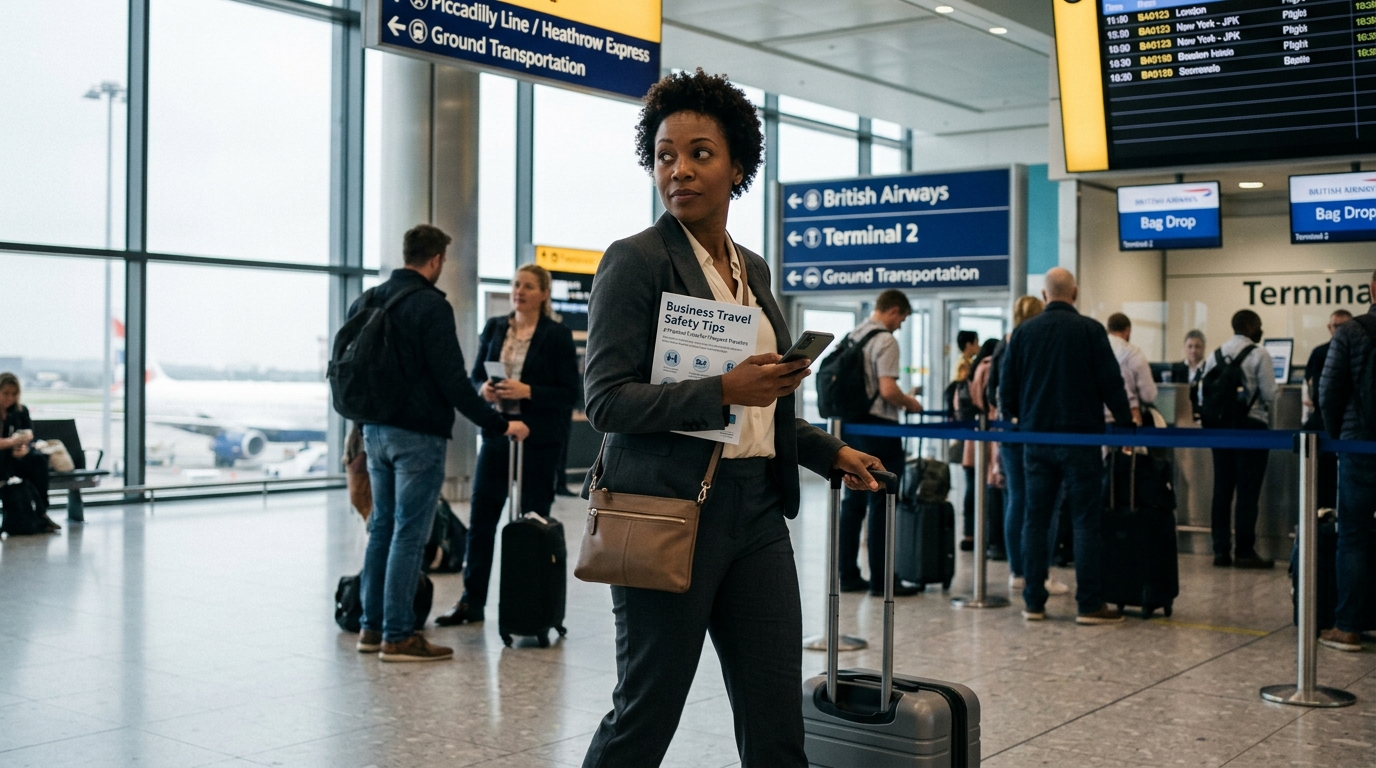
Business travel is often presented as a routine part of professional life, but every trip brings a mix of pressure, uncertainty, and small decisions that can shape both safety and performance. A delayed flight, a rushed airport connection, an unfamiliar neighborhood, a lost phone, or a poorly planned meeting can quickly turn a simple work trip into a stressful experience. For frequent travelers, the real challenge is not only getting from one place to another. It is staying alert, protecting personal and company information, managing time wisely, and reducing avoidable risk without slowing down the purpose of the trip.
This guide is designed to help professionals travel with more confidence. It covers preparation before departure, practical habits during transit, hotel and meeting safety, digital security, health protection, emergency planning, and the psychology of staying calm under pressure. It also shows how business travel safety tips can fit naturally into everyday routines instead of feeling like extra work. Whether you travel occasionally or spend much of the year on the road, the goal is the same: move smart, stay secure, and arrive ready to perform.
Business travel has changed. Today’s traveler is expected to stay productive across airports, rideshares, hotels, conference centers, coworking spaces, and client offices while also handling private belongings, sensitive files, and personal well-being. That combination makes travel more complex than it first appears. A professional may know how to book a flight, pack a bag, and prepare slides for a presentation, yet still overlook the small safety decisions that matter most once the trip begins.
The best business travel safety tips are not dramatic or complicated. They are small, repeatable actions that lower risk. They help you avoid attention in crowded places, keep your schedule flexible, protect your digital devices, and make better choices when something unexpected happens. Safety is not only about emergencies. It is also about reducing friction so the trip stays efficient, predictable, and calm.
Human psychology matters here. People tend to relax once they feel the trip has officially started. After the taxi leaves, the boarding pass is scanned, or the hotel key card works, the mind often shifts into autopilot. That is exactly when careless choices happen. A traveler may leave a laptop on the seat beside them, connect to an unsafe network, share their itinerary too openly, or ignore a small warning sign because they are tired. Good travel safety is about interrupting that autopilot and replacing it with simple habits that work under pressure.
This article is written for frequent travelers who want practical guidance rather than generic advice. It includes real-world steps for how to stay safe during business travel, how to protect yourself on a business trip, and how to build habits that make every journey easier to manage.
Why Safety Planning Matters More for Frequent Travelers
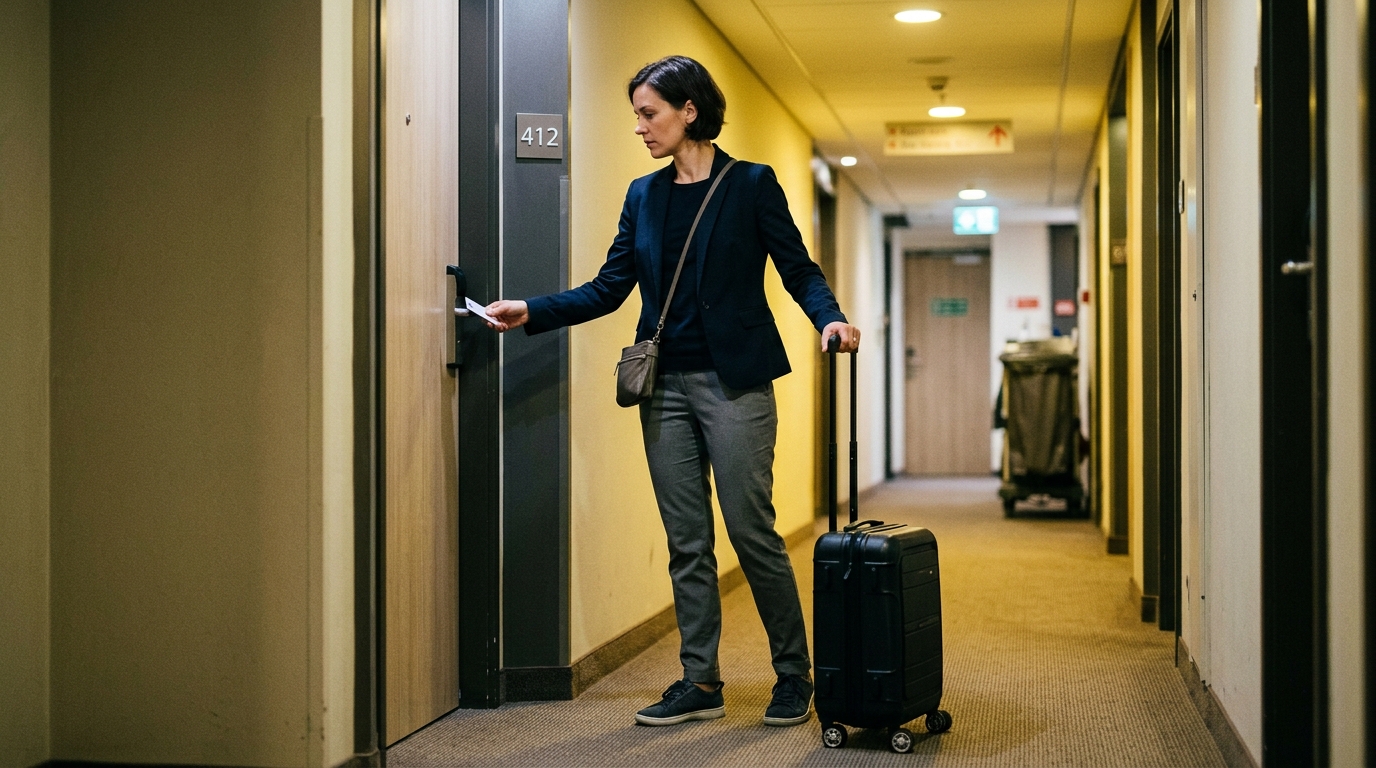
The more often a person travels for work, the easier it is to underestimate the risks. Familiarity can be helpful, but it can also create blind spots. Frequent travelers often move faster, pack lighter, and assume they know what to expect. That confidence can be useful, yet it sometimes leads to shortcuts.
Repeated travel increases exposure in several ways. First, it increases time spent in transit, where attention is split and personal control is lower. Second, it creates more chances for digital exposure through public Wi-Fi, conference networks, and shared charging stations. Third, it increases fatigue. A tired traveler is less likely to notice suspicious behaviour, read hotel details carefully, or keep track of their devices. Fourth, it often raises the value of what is being carried. Business travelers may transport laptops, phones, hard drives, documents, prototypes, access cards, and client information.
Safety planning is not about fear. It is about reducing decision fatigue. When the right habits are already in place, the traveler spends less time wondering what to do and more time focusing on the actual purpose of the trip. That is one of the strongest reasons business travel safety tips should be built into the routine, not treated as occasional advice.
Pre-Trip Preparation: The Foundation of Safe Travel
The safest trip begins long before leaving home. Preparation is where many risks can be reduced at almost no cost.
Build a Trip File
Create a simple trip file with your flight details, hotel address, meeting locations, emergency contacts, local office numbers, and backup transportation options. Keep a digital version and a printed copy. This sounds basic, but it becomes extremely useful when batteries die, data connections fail, or a device is misplaced.
Share the Right Information
Share your itinerary with a trusted colleague, manager, or family contact. Give enough detail for accountability without oversharing publicly. A business traveler should know who can be reached if plans change suddenly, where they are expected to be, and who can make decisions if a problem appears. This is especially useful when schedules are tight, or multiple cities are involved.
Check the Destination Environment
Before departure, review the neighborhoods around your hotel, meeting sites, and airport transfer points. Look for safe transport options, weather concerns, local customs, and any common travel disruptions. The more a traveler understands the environment, the fewer surprises there are on arrival.
Prepare Documents and Backup Access
Keep passports, IDs, visas, boarding passes, and corporate travel approvals secure and easy to retrieve. Store digital copies in a secure cloud account or encrypted folder. If one item is lost, you should still be able to move forward without starting from zero.
Pack with Security in Mind
What should business travelers be careful about before they pack? They should think beyond clothes and chargers. The bag itself matters. Use luggage that closes securely, keeps items organized, and does not make expensive gear obvious. Put essential items in your carry-on, not checked luggage, whenever possible. This reduces the chance of loss and helps you keep control of the most important belongings.
Do a Device Check
Update software, enable device tracking, back up files, and remove anything you do not need for the trip. Consider the sensitivity of what is stored on your laptop and phone. The less unnecessary data a device carries, the less damage a loss could cause. Secure strong passwords or biometric locks should already be enabled before travel begins.
Airport Safety: Staying Alert in a High-Distraction Space
Airports are efficient but crowded, fast-moving, and mentally draining. People are juggling bags, tickets, security lines, food, and flight updates. That makes them a prime environment for mistakes.
Keep Valuables Close
Never leave a bag unattended, even for a short moment. Keep wallets, phones, passports, earbuds, and laptops within arm’s reach. A traveler often assumes that a quick bathroom break or coffee stop is harmless. In reality, those are the moments when theft and misplacement happen most often.
Watch for Distraction Patterns
Crowded spaces create natural distraction. Someone asking for help, bumping into you, or creating noise nearby may be harmless, but it can also be part of a pickpocket strategy. The point is not paranoia. The point is awareness. Slow down for a second and protect your items before responding.
Use Security Lines Wisely
At checkpoints, organize your belongings before reaching the front of the line. Place electronics and documents where they are easy to retrieve. People often lose items because they are rushing to repack after screening. A few extra seconds of preparation can save a great deal of trouble later.
Avoid Predictable Routines
If you travel often, avoid behaving in exactly the same way every time. Habit is efficient, but it can also make a traveler easier to observe. Vary small actions such as where you sit, how you store items, and how you move through crowded areas. This is one of the simplest best practices for corporate travel safety.
Choose Ground Transportation Carefully
Do not assume every ride is equally safe. Use recognized transport services when possible. Confirm the vehicle and driver details before entering. Sit where you can exit easily, especially when carrying luggage. If a situation feels off, trust that instinct and leave.
Hotel Safety: Creating a Secure Base for the Trip
A hotel room should be a rest point, not another source of stress. Yet many travelers treat hotels as automatically safe without checking basic details.
Pick a Room with Awareness
Request a room in a well-lit area, preferably not isolated if you have a choice. A room that is easy to access but not too exposed can support both convenience and security. Once inside, check the locks, peephole, and window security. These are small actions, but they create a sense of control.
Do Not Announce Your Room Number
If the front desk or another guest says your room number aloud, remain discreet. You do not need to repeat it publicly. Avoid sharing room information with strangers or posting it anywhere online.
Keep the Room Looking Occupied
Use the room safe if it is reliable, and avoid leaving expensive items in obvious places. When leaving, make the room look like someone has returned soon, not like it is empty for an extended time. This is one of those practical steps that seems minor but often helps.
Be Careful with Housekeeping and Maintenance
Hotels are usually professional environments, but verification still matters. When someone knocks, confirm the reason before opening the door. If you requested service, check the timing. If you did not, ask again through the front desk. A calm but cautious approach is ideal.
Create a Night Routine
Business travelers often work late and sleep poorly. That can lower alertness. Build a short evening routine that includes charging devices, reviewing the next day’s schedule, setting out essentials, and securing valuables. A simple routine reduces the chance of rushing in the morning.
Digital Security While Traveling
Physical safety matters, but digital safety is often the more hidden risk. Business travelers carry access to email, documents, internal systems, bank accounts, and sensitive client data. A single poor choice can create a bigger problem than a lost bag.
Use Secure Connections
Public Wi-Fi may be convenient, but convenience is not the same as safety. Avoid logging into sensitive accounts on unknown networks whenever possible. Use your mobile hotspot or a company-approved secure connection for work tasks that involve confidential data.
Lock Every Device
Do not rely on a single layer of protection. Use strong passwords, automatic screen locks, and device tracking tools. If a device is lost in an airport, taxi, or meeting room, those protections buy time.
Separate Personal and Work Use
Travel is easier when work accounts are not mixed with unnecessary personal browsing on the same device session. Keep business files organized, close unused tabs, and avoid installing unfamiliar apps while traveling. Simplicity improves security.
Protect Charging Habits
Public charging stations can be convenient, but travelers should understand the risks around unknown USB ports and shared cables. Use your own charger and cable when possible. Carry a power bank so you are not forced into a risky choice when the battery is low.
Secure Important Data Before Leaving
How to secure your devices during business travel is often a matter of preparation, not last-minute action. Back up files, enable remote wipe if your organization allows it, and review who can access what. Encryption, two-factor authentication, and app-level security all matter. The goal is to make one lost device a problem, not a crisis.
Health and Energy: Safety Depends on the Body Too
A tired, dehydrated, or overworked traveler is more vulnerable to mistakes. Safety is not only external. It is also physical and mental.
Manage Sleep as a Safety Tool
Many professionals see sleep as optional during travel. In reality, fatigue affects judgment, attention, and emotional control. Poor sleep increases the odds of missed steps, careless decisions, and weaker situational awareness. Try to protect a reasonable sleep window before and during the trip.
Stay Hydrated and Eat With Intention
Skipping water and meals can make people impatient and less attentive. Long meetings, long flights, and irregular schedules often create that pattern. Keep water accessible and eat in ways that support steady energy rather than sudden crashes.
Watch for Stress Creep
Travel stress is often cumulative. A flight delay may not seem serious, but combined with a late night, time-zone changes, and a difficult client meeting, it can erode judgment. Notice your stress level before it becomes exhaustion. Taking a short walk, pausing for a proper meal, or rescheduling nonessential work can preserve safety.
Carry Basic Health Supplies
Bring any necessary medication, hand sanitizer, tissues, and other basics. Small health disruptions can cascade into bigger problems when you are far from home. Being prepared is practical, not excessive.
Know the Local Medical Options
Before traveling, find the nearest clinic, pharmacy, or emergency facility near your hotel. This is part of how to prepare for a safe business trip. In a real issue, you will not want to search from scratch.
Travel Behavior That Reduces Risk
Some safety measures are about what you carry. Others are about how you behave.
Move with Purpose
People who look unsure often attract more attention in unfamiliar areas. Walk with confidence, even if you are checking directions. Pause in safe, visible places to orient yourself. Confidence without arrogance is one of the most effective forms of self-protection.
Limit Over-Sharing
Business travelers are often friendly and social by nature. That is useful for networking, but not every detail needs to be shared. Avoid giving strangers or casual contacts your exact hotel, room number, flight time, or full itinerary. Professional warmth does not require personal exposure.
Keep the Work Focused
Do not let curiosity override caution. When attending events or meetings, stay aware of your surroundings and keep sensitive conversations private. Side conversations in lobbies, elevators, restaurants, and rideshares can be overheard more easily than many people realize.
Trust Small Warning Signs
A route that feels wrong, a driver who behaves strangely, a stranger who pushes too hard, a room that does not seem secure, or a device that acts oddly should not be ignored. Small signals are often the first sign that something needs attention.
A Practical Business Travel Safety Checklist Guide
A checklist reduces mental load and helps travelers stay consistent. The more frequent the travel, the more valuable a checklist becomes.
Before Departure
- Confirm flights, hotel, and meeting addresses
- Share itinerary with a trusted contact
- Back up important data
- Charge devices and pack chargers
- Enable device locks and tracking
- Carry passport, ID, visa, and copies
- Review local transport and neighborhood details
- Check weather and clothing needs
- Pack medications and health essentials
During Transit
- Keep valuables on your person
- Stay aware in crowded areas
- Use secure transport options
- Watch baggage during transfers
- Avoid risky charging stations
- Save important receipts and confirmations
- Recheck next-step timing after delays
At the Hotel
- Inspect locks and room security
- Avoid publicizing your room number
- Store valuables securely
- Lock devices when leaving the room
- Verify visitors before opening the door
- Review tomorrow’s schedule at night
During Meetings and Events
- Keep devices and documents in sight
- Avoid discussing confidential information openly
- Use private spaces for sensitive calls
- Stay aware when moving between locations
- Leave with enough time to avoid rushing
Before Returning Home
- Confirm you have all devices and documents
- Double-check chargers, passports, and keys
- Delete unnecessary temporary files if appropriate
- Review expenses and receipts while details are fresh
- Notify relevant contacts that the trip is complete
International Travel: Extra Caution, Extra Preparation
The rules change when a trip crosses borders. Language differences, different transport systems, unfamiliar laws, and different technology risks can all create surprises.
Understand Entry Requirements
Make sure travel documents are valid, complete, and ready. Check visa rules, local entry requirements, and transit regulations. Missing paperwork can cause delays before the trip even begins.
Learn Basic Local Norms
A little cultural awareness can prevent misunderstandings and improve personal safety. This includes knowing how to dress in certain settings, how to greet people, and what behaviors may draw unwanted attention. Tips for safe international business travel usually begin with respect for local norms and an awareness of your environment.
Keep Emergency Support Accessible
Know your embassy or consulate contact details if applicable, and make sure your company or travel support team can be reached. Store these details in more than one place.
Prepare for Connectivity Gaps
International roaming, network availability, and app access may not work exactly as expected. Download maps, addresses, and critical information before departure. Do not rely entirely on live internet access in a new country.
Be More Intentional with Payments
Carry an appropriate mix of payment methods. Notify banks if needed. Keep cards separate so one loss does not leave you stranded. Small finance issues can become major safety issues when a traveler cannot pay for transport or accommodation.
How to Avoid Risks While Traveling for Work
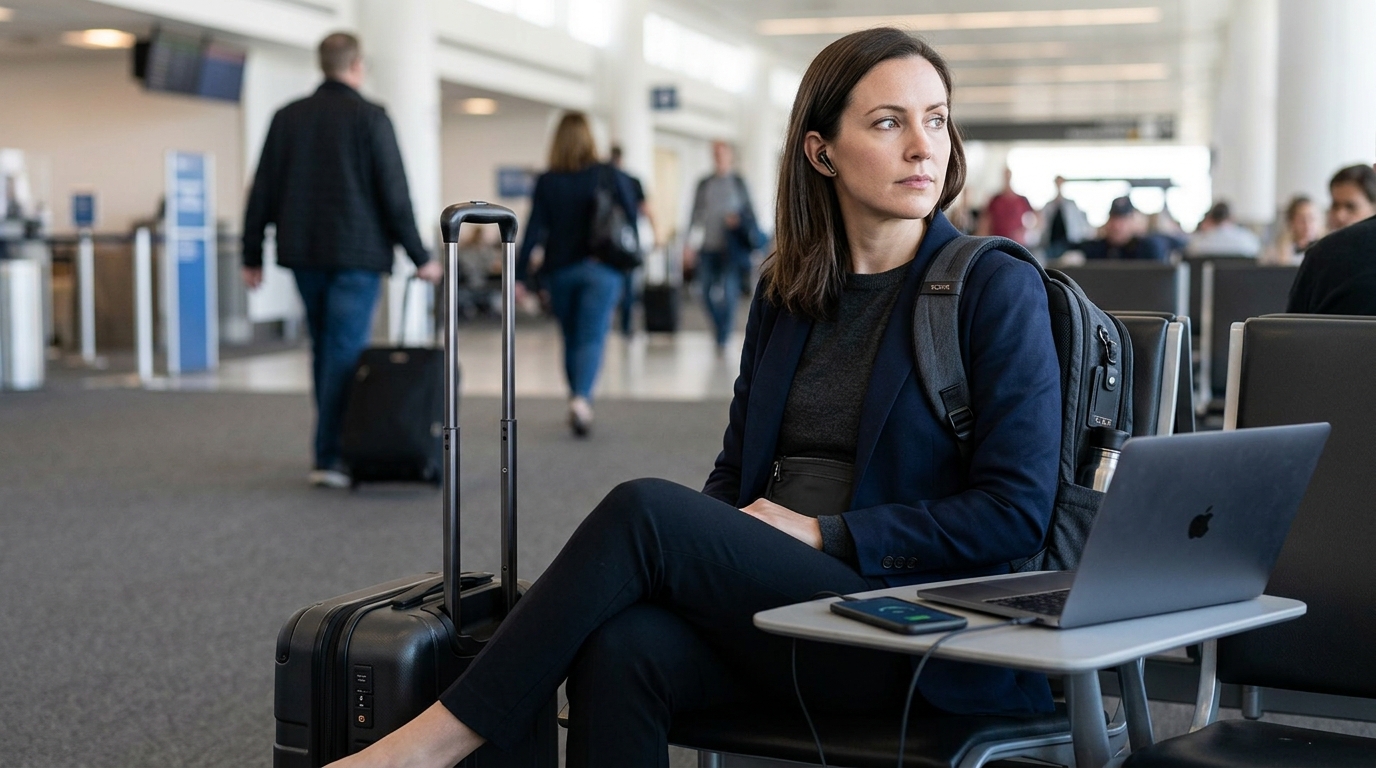
Risk can never be eliminated completely, but it can be reduced through smart decisions.
Use Layered Protection
No single safety habit is enough by itself. Good travel safety combines physical awareness, digital security, smart planning, and behavioral discipline. That layered approach is much stronger than depending on one tool or one instinct.
Choose Convenience Strategically
Convenience is useful when it supports safety, but dangerous when it replaces judgment. The easiest option is not always the best one. A few extra minutes spent verifying a ride, securing a device, or checking a route can prevent hours of damage later.
Build Friction Into Risky Choices
Healthy friction helps people pause before making a bad decision. For example, keep backup copies in separate places, use authentication apps instead of weaker methods, and store emergency contacts where they are easy to find. This makes it harder to act carelessly when tired or rushed.
Reduce the Number of Decisions
Travel is tiring because it forces constant micro-decisions. Pack in a consistent way. Use a repeatable security routine. Keep your device setup familiar. Fewer decisions mean fewer mistakes.
Pay Attention to Timing
Many travel problems happen when people are late. Rushing increases errors. Leave room for traffic, airport lines, navigation delays, and unexpected conversations. Safety and time management are closely linked.
The Psychology of Safe Travel
Safety habits work better when they match how people actually think and behave.
Why People Take More Risks on Work Trips
Business travel creates a strange mix of duty and novelty. Travelers may feel pressured to impress, meet deadlines, or prove flexibility. That pressure can lead to poor choices, such as skipping rest, ignoring security steps, or saying yes too quickly. There is also a temporary mindset shift: people sometimes believe the trip is short enough that nothing serious can happen. That belief is one of the biggest psychological traps.
How to Build Better Habits
The most effective habits are simple and repeatable. Tie them to moments that already happen. Check your room lock after arrival. Lock your phone after every meeting. Review your itinerary after each transfer. Small repeating patterns are easier to sustain than complex rules.
Lower Anxiety Without Lowering Awareness
Good safety planning can reduce fear because it gives the traveler a sense of control. The aim is not to be tense. It is to be prepared. Calm awareness is stronger than constant worry. A person who trusts their system is more likely to make smart choices under pressure.
Common Mistakes Business Travelers Make
Even experienced travelers fall into predictable traps.
Assuming Familiarity Equals Safety
A route, hotel brand, airport, or city that feels familiar can still present new risks. Conditions change. Do not let comfort replace observation.
Leaving Devices Unattended
A laptop on a café table or a phone on a charging station can disappear in seconds. Treat devices as essential tools, not temporary accessories.
Ignoring Fatigue
Many travelers push through exhaustion because they believe productivity matters more than rest. In practice, tiredness reduces productivity and safety at the same time.
Sharing Too Much Online
Posting location updates or trip details in real time can create unnecessary exposure. Delay public sharing until after the relevant movement is complete.
Treating Security as a One-Time Task
Safety is not something you finish at the airport. It continues through the whole trip. That mindset shift makes a major difference.
How Companies Can Support Safer Travel
Individual habits matter, but organizations also play a role.
Provide Clear Travel Policy Guidance
Employees should know what is expected before they travel. Policies should cover approved transport, hotel standards, device use, emergency contacts, and reporting procedures.
Offer Risk Training
Short, practical training can improve awareness without overwhelming employees. The most useful training is scenario-based and easy to remember.
Support Secure Technology
Companies should make it easy for travelers to use secure tools, lock devices, and access support quickly. When security tools are inconvenient, people avoid them. Good systems reduce friction.
Encourage Reasonable Schedules
Overpacked itineraries create rushed decisions. Smart travel planning includes enough time for movement, rest, and contingencies.
Make Reporting Easy
If something goes wrong, employees should be able to report it quickly without embarrassment. The faster a problem is reported, the easier it is to limit damage.
Summary Section
Safe business travel is built on preparation, awareness, and routine. The traveler who plans ahead, protects devices, limits unnecessary exposure, and respects fatigue is usually far better equipped than the traveler who relies on luck. The most useful habits are not complicated: check your itinerary, secure your documents, watch your surroundings, use trusted transport, protect your data, and build breathing room into your schedule.
The goal is not to turn every trip into a security project. The goal is to make safety automatic enough that it supports performance rather than distracting from it. When habits are simple and consistent, travel becomes easier, calmer, and more dependable.
Conclusion
Frequent business travel can be productive, rewarding, and sometimes even exciting, but it also demands discipline. Every trip creates a series of small decisions, and those decisions determine whether the journey feels controlled or chaotic. The best business travel safety tips work because they fit real life. They are easy to repeat, easy to remember, and strong enough to protect both people and information.
If you treat safety as part of professionalism instead of an extra burden, your trips become more reliable and less stressful. You move with more confidence, your devices stay better protected, your time is better managed, and your attention stays where it matters most. That is the real advantage of thoughtful travel planning. It lets you arrive prepared, focus on the work, and return home with fewer surprises.
FAQ Section
What are business travel safety tips?
Business travel safety tips are practical steps that help professionals stay secure, reduce risk, and protect their belongings, data, and well-being while traveling for work.
How to stay safe during business travel?
Stay safe by planning ahead, using trusted transportation, protecting devices, keeping valuables close, and avoiding rushed decisions in unfamiliar settings.
How to protect yourself on a business trip?
Protect yourself by learning about the destination, staying aware in public places, using secure communication tools, and following hotel and transit safety habits.
What should business travelers be careful about?
Business travelers should be careful about device security, public Wi-Fi, lost documents, over-sharing itinerary details, fatigue, and unsafe transport choices.
How to prepare for a safe business trip?
Prepare by checking documents, backing up data, reviewing the route, packing securely, sharing your itinerary, and planning for emergencies before departure.
How to secure your devices during business travel?
Use strong passwords, screen locks, tracking tools, encrypted storage, secure networks, and regular backups to reduce the risk of theft or data loss.
Best practices for corporate travel safety?
Best practices include clear travel policies, secure communication tools, reasonable schedules, destination awareness, and consistent safety routines.
How to avoid risks while traveling for work?
Avoid risks by reducing rushed decisions, staying alert in transit, using approved services, and combining physical, digital, and health-related precautions.
Closing Note for Editors
To keep the article natural and readable, the strongest SEO results will come from placing the focus keyword in the title, first paragraph, several subheadings, and a few body sections rather than forcing unnatural repetition. That approach matches search intent better and improves user trust.



Leave a Reply