

The pull is undeniable. A primal desire to see what lies beyond the horizon, to taste unfamiliar foods, to stand in the shadow of ancient history, and to connect with cultures vastly different from our own. Travel enriches us, broadens our perspectives, and creates memories that last a lifetime. Yet, this beautiful pursuit comes with a complicated truth: our wandering feet can leave heavy footprints on the very places we go to admire.
From the carbon emissions of our flights to the plastic waste left behind and the strain on local resources, modern travel has an environmental and social cost. But what if there was a way to satisfy our wanderlust while also protecting our planet and empowering its people? There is. It’s called sustainable travel, and it’s not about restriction; it’s about enrichment. It’s about a deeper, more authentic way of exploring the world.
This is not just another list of tips to reuse your hotel towel. This is your ultimate compass for becoming an Eco-Wanderer. We will guide you through every stage of your journey, from planning and packing to your actions on the ground and your influence after you return. Get ready to transform your travels from a simple vacation into a positive force for change.
What is Sustainable Travel, Really? Beyond the Buzzword
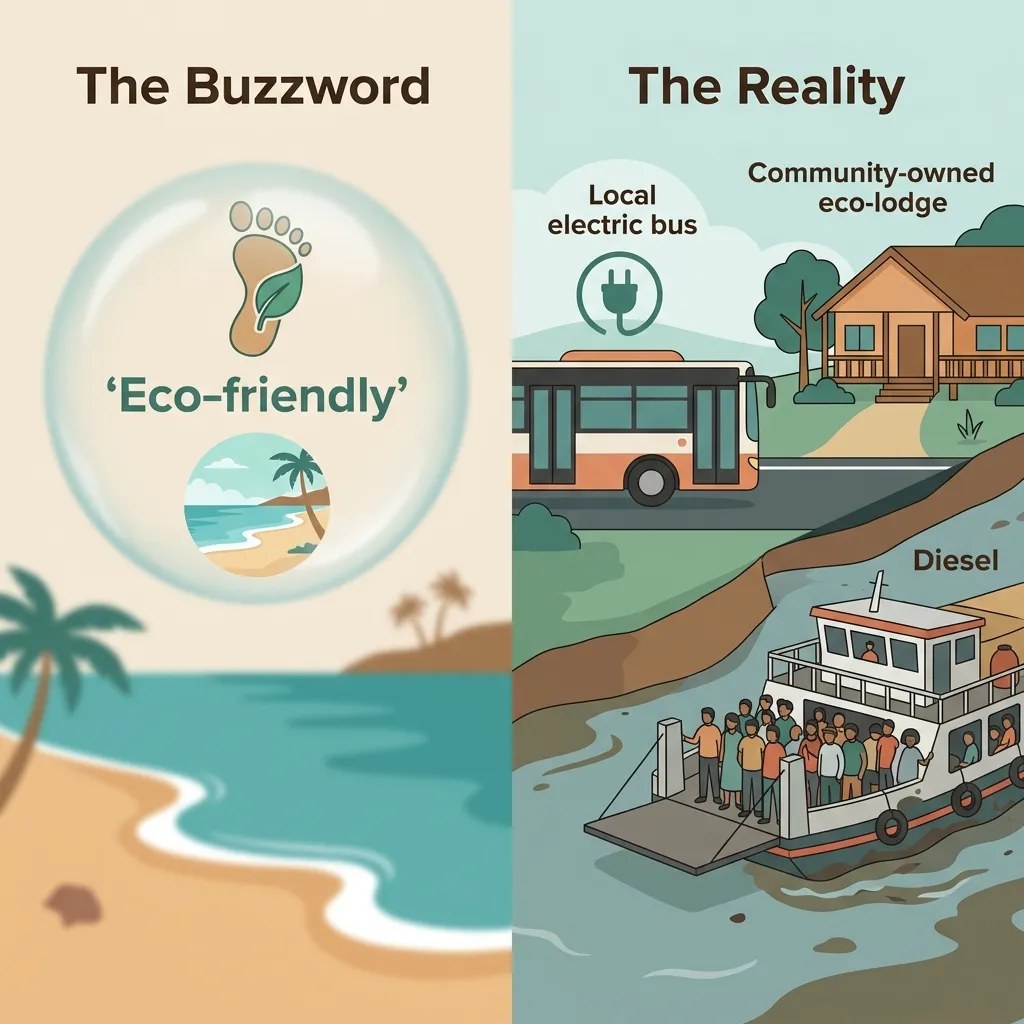
The term “sustainable travel” is often thrown around, sometimes diluted to mean little more than buying a reusable coffee cup. True sustainable tourism, or responsible travel, is a holistic concept built on three core pillars, as defined by the UN World Tourism Organization:
- Environmental Sustainability: This is the most obvious pillar. It involves making optimal use of environmental resources, conserving natural heritage and biodiversity, and minimizing your ecological footprint. Think about reducing waste, conserving water and energy, and choosing low-impact transportation.
- Socio-Cultural Sustainability: This means respecting the host communities. It’s about honoring local traditions, heritage, and values. It involves authentic interactions that foster intercultural understanding and tolerance, rather than treating a culture as a commodity.
- Economic Sustainability: This pillar focuses on ensuring that the financial benefits of tourism are distributed fairly within the local community. It means supporting local businesses, paying fair wages, and contributing to the economic well-being of the people whose home you are visiting, rather than letting all the profits flow to large, foreign-owned corporations.
A truly sustainable traveler considers all three pillars in their decisions. It’s a mindset shift from “What can this destination do for me?” to “How can I experience this destination in a way that is mutually beneficial for me, the environment, and the local community?”
The Blueprint for a Green Getaway: Pre-Trip Planning
The most impactful decisions you make often happen before you even lock your front door. Thoughtful planning is the foundation of a responsible journey.
Choosing Where to Go: The Power of Your Destination
The rise of “overtourism” has seen iconic locations like Venice, Barcelona, and Maya Bay in Thailand buckle under the pressure of too many visitors, leading to environmental degradation and strained infrastructure. A sustainable choice can be to explore less-traveled, “second-city” destinations. Instead of Florence, consider Bologna. Instead of the crowds in Bali, explore the quieter shores of Flores.
Also, research destinations that are actively committed to sustainability. Countries like Costa Rica, a pioneer in ecotourism; Slovenia, with its Green Scheme of Slovenian Tourism; and Bhutan, with its “High Value, Low Impact” tourism policy, are excellent examples. Traveling in the off-season also helps distribute the load and often provides a more authentic experience.
Getting There: Rethinking Your Transportation
Air travel is, for many destinations, unavoidable. However, it’s also the most carbon-intensive part of most trips. Here’s how to mitigate its impact:
- Fly Direct: Takeoffs and landings consume the most fuel. A non-stop flight is significantly more efficient than one with layovers.
- Choose Economy: Business and first-class seats take up more space, meaning your per-person carbon footprint is much higher.
- Pack Light: Every kilogram matters. The heavier the plane, the more fuel it burns.
- Embrace Slow Travel: When possible, opt for trains and buses. Train travel, in particular, offers a scenic and low-carbon way to see a country. Consider one long trip instead of several short ones throughout the year.
The Art of Packing Light and Right
Beyond reducing aircraft fuel consumption, a minimalist, sustainable packing list can drastically reduce your waste on the road. Your eco-wanderer toolkit should include:
- A Reusable Water Bottle with a Filter: This is non-negotiable. It saves you money and prevents countless plastic bottles from ending up in landfills or oceans.
- Solid Toiletries: Shampoo bars, conditioner bars, solid toothpaste, and deodorant sticks eliminate the need for tiny, wasteful plastic bottles.
- A Reusable Tote Bag: Perfect for shopping at local markets and avoiding plastic bags.
- Reef-Safe Sunscreen: If you plan to swim in the ocean, use sunscreens without oxybenzone and octinoxate, which are known to cause coral bleaching.
- A Menstrual Cup or Reusable Pads: For female travelers, this is a game-changer for reducing waste in places where sanitation services may be limited.
Sleep Green: Vetting Your Accommodation
Where you stay has a huge impact. Look for accommodations that are vocal about their sustainability practices. This could include:
- Locally owned and operated hotels, guesthouses, or homestays.
- Properties that use renewable energy, like solar panels.
- Hotels with robust water conservation and waste recycling programs.
- Places that hire local staff and source their food from local producers.
Look for certifications like Green Key, EarthCheck, or B Corp certification, which signal a verified commitment to high social and environmental standards.
On the Ground: Practicing Conscious Exploration
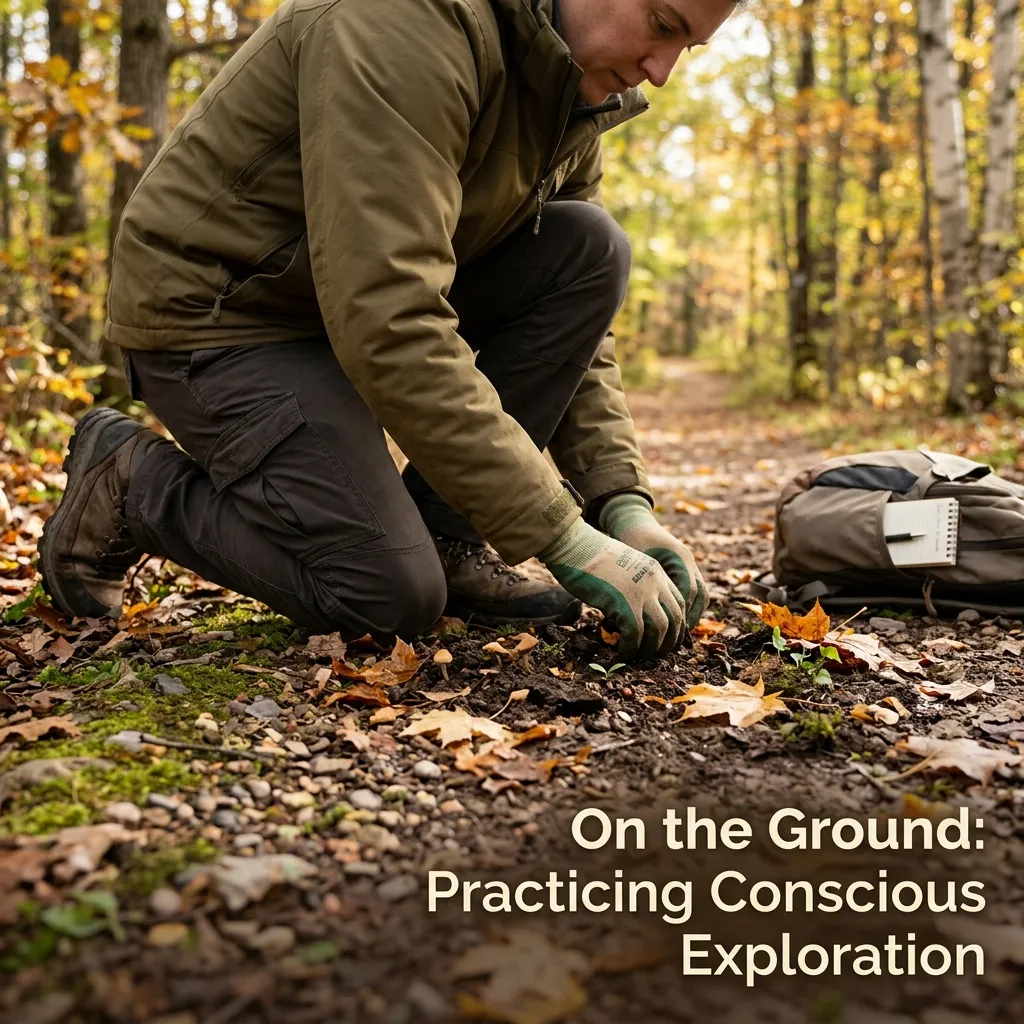
You’ve arrived. Now, your daily choices will define your impact. This is where the three pillars of sustainability truly come to life.
Walk Softly: Minimizing Your Daily Footprint
Adopt the hiker’s mantra: “Leave No Trace.” This applies everywhere, not just in national parks. Pack out everything you pack in. Say no to plastic straws, cutlery, and bags. Conserve water with shorter showers, and turn off lights and air conditioning when you leave your room. Simple habits, monumental collective impact.
Invest in People: Supporting the Local Economy
Make your money matter. Ditch the all-inclusive resorts where money rarely trickles down to the community. Instead:
- Eat Local: Dine at family-run restaurants and street food stalls. The food is often more authentic, and your money directly supports a local family.
- Shop Local: Buy souvenirs directly from artisans and craftsmen. Ask about their craft. Avoid mass-produced trinkets that were likely imported.
- Hire Local Guides: A local guide offers unparalleled insight into their culture and home, and your fee directly supports them and their family.
- Pay a Fair Price: While haggling can be part of the culture, be respectful. Don’t bargain aggressively for the sake of a few cents that mean far more to the vendor than to you.
A Guest in Their Home: Embracing Cultural Respect
You are an ambassador for your own country. Act with humility, curiosity, and respect.
- Learn a Few Words: Simple greetings like “Hello,” “Please,” and “Thank you” in the local language go a long way in showing respect.
- Dress Appropriately: Research local dress codes, especially when visiting religious sites. Being mindful of modesty shows you respect their customs.
- Ask Before You Photograph: Always ask for permission before taking a close-up photo of someone, especially children. A smile and a gesture are universal. A camera lens in the face is invasive.
Wild at Heart: Ensuring Ethical Animal Encounters
This is critical. Many attractions exploit animals for profit. A truly ethical encounter prioritizes the animal’s welfare above the tourist’s entertainment. Follow these hard rules:
- No Riding: Never ride elephants. The process of “training” them involves immense cruelty.
- No Touching or Selfies: Avoid any attraction that lets you hold, pet, or take a selfie with a wild animal (e.g., tiger temples, lion parks). These animals are often drugged and abused.
- Observe from a Distance: The best way to see wildlife is in its natural habitat, from a respectful distance, on a tour that doesn’t bait or chase the animals.
- Research Sanctuaries: Look for genuine sanctuaries that focus on rescue and rehabilitation, not breeding or performance. A true sanctuary does not allow direct contact between tourists and most animals.
The Journey Home: Your Impact Continues
Your role as a responsible traveler doesn’t end when you board the plane home. Your experiences can become a catalyst for wider change.
Share Your Story, Inspire Change
Use your social media and conversations to share what you’ve learned. Instead of just posting a perfect selfie, talk about the amazing local restaurant you supported, the ethical elephant sanctuary you visited, or the sustainable lodge you stayed at. Your recommendation can steer other travelers toward more responsible choices.
From Traveler to Advocate
Leave reviews for the businesses that are doing it right. Conversely, provide gentle, constructive feedback to places that could improve. If a hotel has excessive single-use plastic, mention it in your review. Your voice as a customer is powerful. The habits you picked up on the road—reducing waste, conserving resources, supporting local—can be integrated into your daily life, making your trip’s positive impact last a lifetime.
Conclusion: Your Journey as an Eco-Wanderer Begins
Sustainable travel isn’t about achieving perfection. It’s not about guilt or judgment. It is a journey of continuous learning and conscious choices. It’s about understanding that every decision we make, from the flight we book to the coffee we buy, has a ripple effect.
By embracing this mindset, you don’t sacrifice the magic of discovery. You enhance it. You forge deeper connections, have more authentic experiences, and leave the beautiful places you visit as good as, or even better than, you found them. The world is a breathtaking book. As an Eco-Wanderer, you get to read its pages while helping to preserve it for the next generation of explorers.
Looking to explore the world without breaking the bank? Backpacking on a Budget: Ultimate Shoestring Travel Guide for Adventurers offers expert tips and tricks to help you stretch every dollar while chasing your travel dreams.



Leave a Reply