

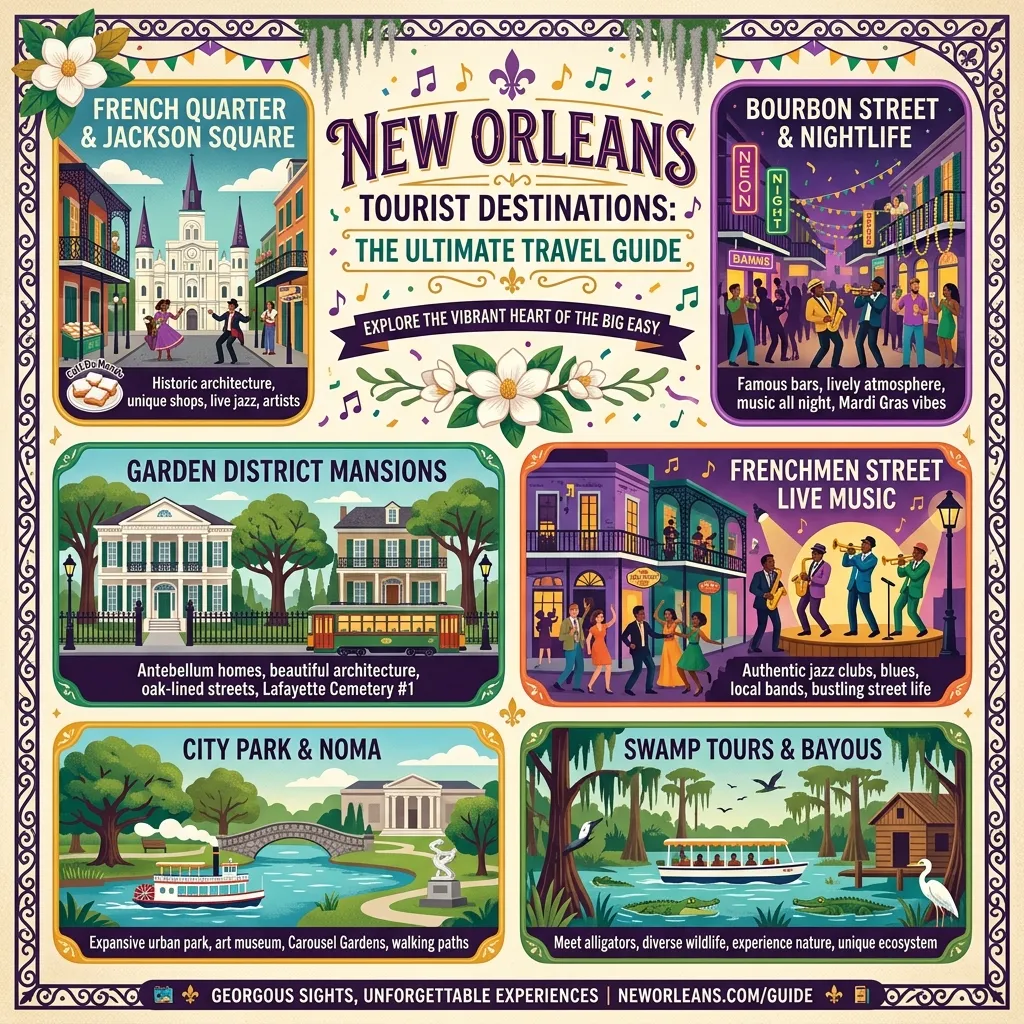
The top New Orleans tourist destinations include the French Quarter, Jackson Square, Bourbon Street, the Garden District, City Park, and historic swamp tours. New Orleans blends 300 years of history, world-famous Creole cuisine, and live jazz into one walkable, soulful city—making it one of America’s most distinctive places to visit.
Few cities pack as much personality into their streets as New Orleans. Founded by the French in 1718 and shaped by Spanish, African, and Caribbean cultures, the city offers a travel experience you simply can’t find anywhere else in the United States. The aroma of beignets drifts past wrought-iron balconies, brass bands play on corners, and centuries-old cemeteries sit a short streetcar ride from buzzing nightlife.
This guide walks you through the best New Orleans tourist destinations, from the historic French Quarter to hidden corners most visitors miss. You’ll find practical tips on food, music, safety, and even remote work—so whether you’re a first-timer or a returning fan, you’ll leave with a plan.
If you’ve explored San Antonio Tourist hotspots or mapped out Midwest Travel Destinations, you’ll notice New Orleans rewards travelers who slow down and soak it all in. Let’s dig into what makes the Big Easy unforgettable.
What Makes New Orleans Such a Unique Travel Destination?
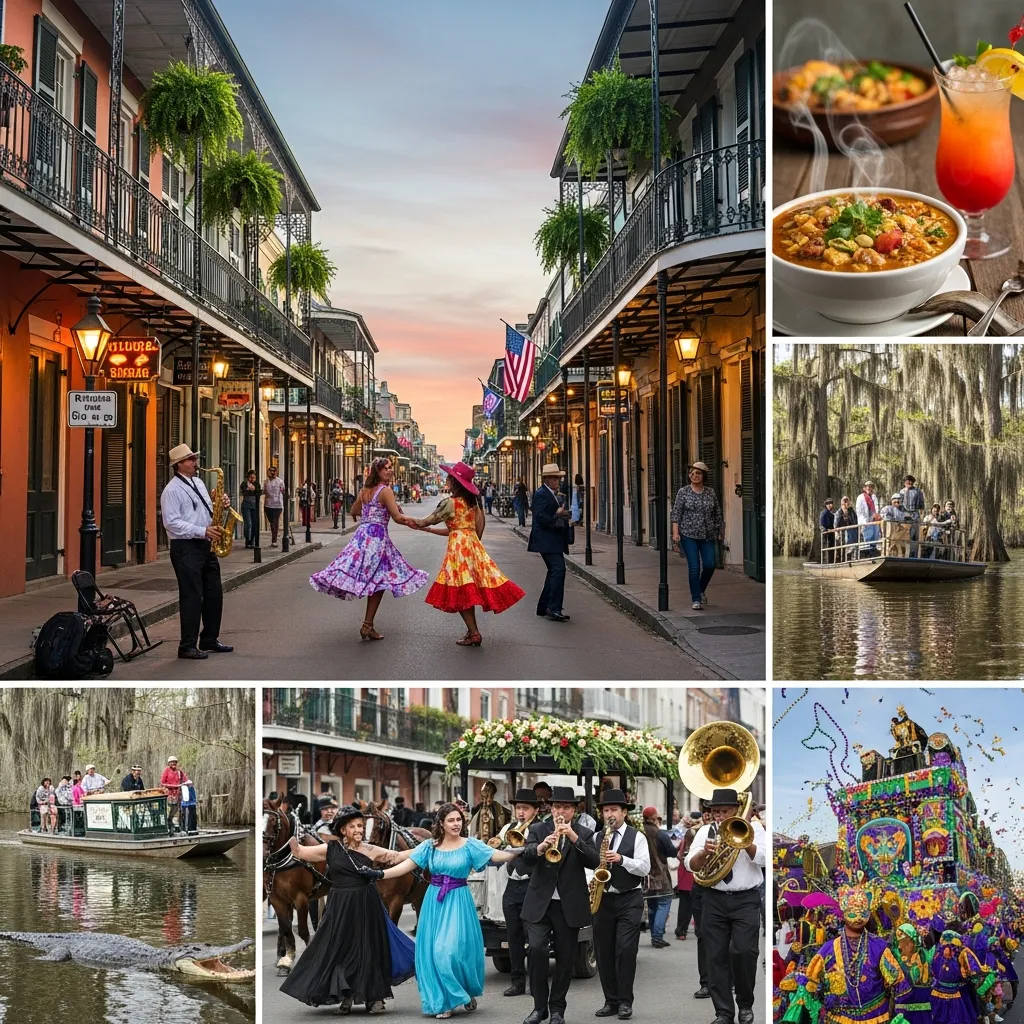
New Orleans stands apart because it grew from a mix of cultures that never fully blended into the rest of America. The result is a city with its own architecture, food, music, and even dialect. Unlike the grid-planned layouts you’ll see across many Midwest Travel Destinations, New Orleans feels organic—narrow streets, hidden courtyards, and color-splashed buildings.
The city is also remarkably walkable. Many of the best New Orleans tourist destinations sit within a few square miles, connected by historic streetcars that cost just $1.25 per ride. That accessibility makes it ideal for travelers who want depth without long drives.
A Stroll Through History: The French Quarter and Beyond
The French Quarter is the beating heart of New Orleans and the first stop for nearly every visitor. As the oldest neighborhood in the city, it’s packed with landmarks that define the New Orleans tourist destinations experience.
What Can You See in the French Quarter?
Jackson Square anchors the Quarter with its lush gardens, street artists, and tarot readers. Towering over it is the St. Louis Cathedral, the oldest continuously operating cathedral in the United States, dating to 1727. Just steps away sits Café Du Monde, the legendary open-air spot serving beignets and chicory coffee since 1862.
Is Bourbon Street Worth Visiting?
Bourbon Street is the city’s most famous strip, known for its neon-lit bars, live music, and late-night energy. It’s loud, crowded, and unmistakably New Orleans. If nightlife isn’t your scene, visit during the day to appreciate the historic Creole townhouses without the crowds.
Where Can You Find Art and Antiques?
Just one block over, Royal Street offers a quieter, more refined experience. Its art galleries, antique shops, and gallery balconies make it one of the most photogenic streets in the city—perfect for slow browsing and people-watching.
Should You Tour the Historic Plantations?
A short drive from the city, plantations like Oak Alley and Laura Plantation offer sobering, important context about Louisiana’s past. Oak Alley is famous for its quarter-mile canopy of 300-year-old oak trees. Many tours now center the experiences of enslaved people, giving visitors a fuller, more honest history.
Culinary Journey: A Taste of New Orleans
Food is reason enough to visit. New Orleans cuisine draws on French, Spanish, African, and Caribbean traditions, producing flavors you won’t find elsewhere.
What Food Should You Try in New Orleans?
Start with the classics. Gumbo is a rich, slow-cooked stew of seafood or meat thickened with okra or roux. Jambalaya blends rice, sausage, and shrimp into a spicy one-pot meal. And no trip is complete without beignets—square, sugar-dusted doughnuts best eaten warm.
Where Should You Eat in New Orleans?
The city caters to every budget. For fine dining, Commander’s Palace in the Garden District has earned multiple James Beard Awards. For casual eats, grab a po’boy sandwich from a neighborhood deli or fresh oysters from a French Quarter raw bar. Street food and food halls offer affordable ways to sample widely.
Can You Take a Cooking Class in New Orleans?
Yes. Several schools, including the New Orleans School of Cooking, offer hands-on classes where you’ll learn to make gumbo, jambalaya, and pralines. It’s a fun, interactive way to take a piece of the city home with you.
Music and Culture: The Soul of the City
New Orleans is the birthplace of jazz, and music spills out of nearly every doorway.
Where Can You Hear Live Jazz in New Orleans?
Preservation Hall is the gold standard—an intimate venue in the French Quarter that has hosted traditional jazz since 1961. For a livelier scene, head to Frenchmen Street, where locals go for back-to-back live music across multiple clubs.
What Is Mardi Gras Indian Culture?
The Mardi Gras Indians are African American communities who craft elaborate, hand-beaded suits and parade through neighborhoods on special days. This tradition, rooted in honoring Native Americans who sheltered escaped enslaved people, is one of the city’s most striking cultural expressions.
What Festivals Happen Beyond Mardi Gras?
While Mardi Gras draws the biggest crowds, the New Orleans Jazz & Heritage Festival (Jazz Fest) each spring is a must for music lovers, featuring hundreds of performances across multiple stages. The city hosts festivals nearly year-round, from food fests to French Quarter celebrations.
Beyond the Beaten Path: Unique New Orleans Tourist Destinations
Once you’ve covered the highlights, these lesser-known New Orleans tourist destinations reward deeper exploration.
Why Visit the Garden District?
The Garden District showcases grand 19th-century mansions, oak-lined streets, and Lafayette Cemetery No. 1. Take the historic St. Charles streetcar there and explore on foot—it’s one of the most peaceful corners of the city.
What Can You Do at City Park?
City Park is larger than New York’s Central Park and home to the New Orleans Museum of Art, sprawling botanical gardens, and a charming amusement park. It’s a green escape ideal for families and anyone needing a break from the bustle.
Are Swamp Tours Worth It?
Absolutely. Swamp tours take you into the Louisiana wetlands to spot alligators, herons, and cypress forests. For eco-conscious travelers following an Eco-Wanderer’s Compass approach, choose operators who prioritize conservation and small-group, low-impact tours. These trips offer a side of Louisiana most visitors never see.
What’s the Story Behind New Orleans Cemeteries?
The city’s “Cities of the Dead” feature above-ground tombs built to handle the high water table. St. Louis Cemetery No. 1, the oldest in the city, is the resting place of voodoo queen Marie Laveau. Guided tours are required for entry, and they share fascinating history about the city’s spiritual traditions.
Planning Your Trip: Tips for a Seamless Experience
A little planning goes a long way toward a smooth visit to these New Orleans tourist destinations.
Where Should You Stay in New Orleans?
The French Quarter puts you in the center of the action, while the Garden District offers quieter, charming bed-and-breakfasts. Budget travelers will find hostels and guesthouses just outside the tourist core, often with easy streetcar access.
How Do You Get Around New Orleans?
Streetcars are the most scenic and affordable option, with single rides at $1.25 and day passes at $3. Ride-sharing and taxis are widely available, and much of the central city is walkable. A car is rarely needed unless you plan to visit plantations.
When Is the Best Time to Visit New Orleans?
Spring (February to May) brings pleasant weather and Jazz Fest, though Mardi Gras crowds peak in this window. Fall offers mild temperatures and fewer tourists. Summer is hot and humid, but hotel rates drop significantly.
How Much Does a New Orleans Trip Cost?
A mid-range traveler can expect to spend roughly $150 to $250 per day, covering a hotel, meals, attractions, and transport. Budget-conscious visitors can cut this considerably by using streetcars, eating at casual spots, and enjoying free attractions like Jackson Square.
Safety and Preparedness for Travelers
Like any major city, New Orleans rewards smart, aware travelers.
Is New Orleans Safe for Tourists?
The main tourist areas—the French Quarter, Garden District, and Uptown—are generally safe, especially during the day. Stay alert at night, stick to well-lit, busy streets, and avoid walking alone in unfamiliar areas. These habits apply just as well to San Antonio Tourist zones or busy Midwest Travel Destinations.
What Travel Safety Accessories Should You Pack?
A few smart Travel Safety Accessories make any trip more secure. Consider an anti-theft crossbody bag with locking zippers, a portable door lock for added hotel security, and an RFID-blocking wallet to protect your cards. A small portable charger keeps your phone—and maps—ready at all times.
Digital Nomad’s Guide to New Orleans
New Orleans has become a welcoming base for remote workers seeking culture alongside their Wi-Fi.
Can You Work Remotely from New Orleans?
Yes. The city has a growing remote-work scene, with reliable internet and plenty of cafés suited to laptops. Following a Digital Nomad Blueprint mindset, you can balance focused work mornings with afternoon and evening exploration.
Where Can You Find Co-Working Spaces in New Orleans?
Several co-working spaces operate in and around the Central Business District and Warehouse District, offering day passes and monthly memberships. Many local coffee shops also welcome remote workers, giving you flexible options for getting things done between adventures.
Your Unforgettable New Orleans Adventure Awaits
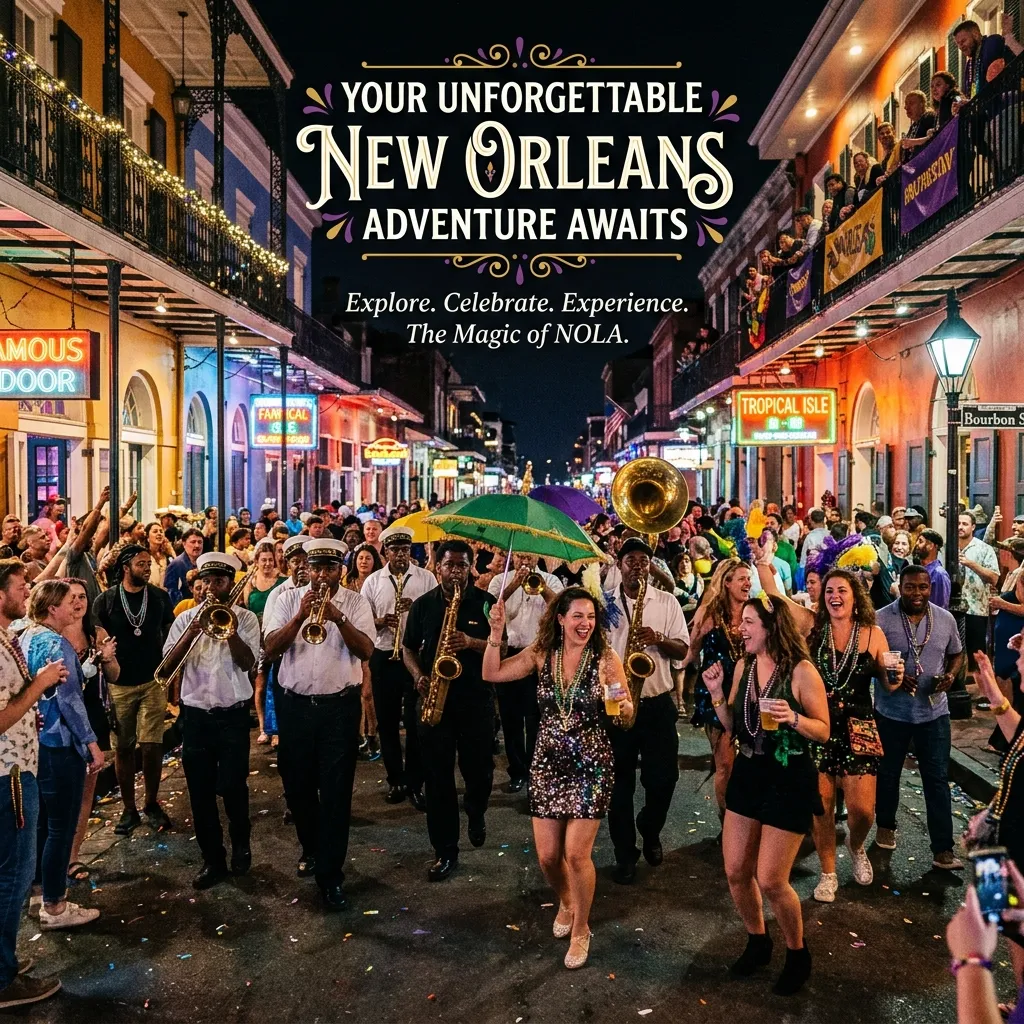
New Orleans delivers a travel experience unlike anywhere else—a city where history, food, and music intertwine on every block. From the iconic French Quarter to the quiet beauty of the Garden District, the wild Louisiana swamps to the soulful sounds of Frenchmen Street, the best New Orleans tourist destinations reward curiosity and an open mind.
Start by picking two or three neighborhoods, sampling the local food, and catching at least one live music show. Pack a few Travel Safety Accessories, plan around the festival calendar, and leave room in your schedule to wander. Whether you’re comparing it to San Antonio Tourist stops, plotting Midwest Travel Destinations, traveling with an Eco-Wanderer’s Compass, or working through a Digital Nomad Blueprint, New Orleans will surprise you. Book your trip and let the Big Easy work its magic.



Leave a Reply