

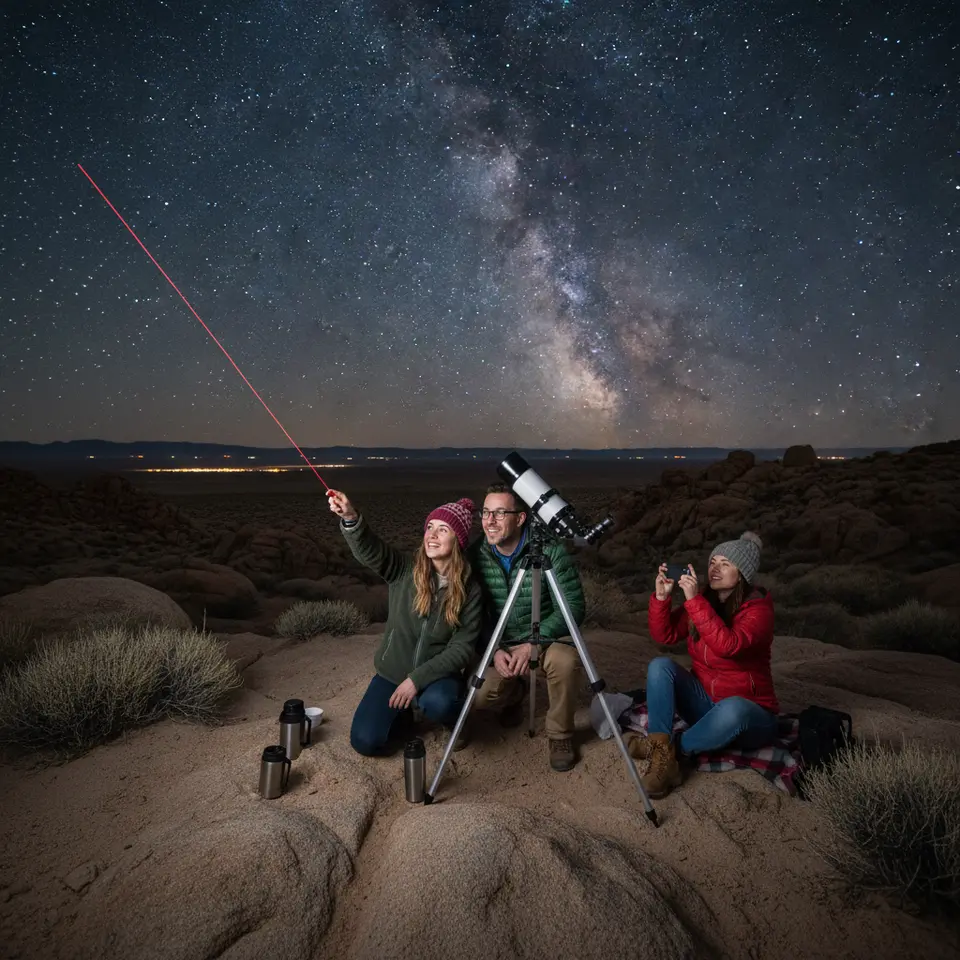
There’s a unique thrill that comes from stepping out of the glow of urban areas and gazing upward into an uninterrupted sea of stars. In today’s digital landscape, most of us are accustomed to skyscapes dominated by artificial lights, but a retreat to one of the world’s acclaimed dark sky travel spots can restore a sense of wonder that goes far beyond the confines of our daily routines. For amateur astronomers, dedicated photographers, or travel enthusiasts seeking a memorable adventure, discovering a destination with pristine nocturnal conditions is an experience like no other.
This year (2026), dark sky travel spots have gained recognition not only for their visual appeal but also for their environmental significance. By minimizing light pollution, these locations protect wildlife, support local ecosystems, and encourage sustainable tourism practices. Whether you’re planning a solo excursion or a group trip, understanding how to select the best site, prepare your gear, and make the most of seasonal conditions will be essential to maximizing your stargazing journey.
In this comprehensive guide, we’ll explore the allure of dark sky travel spots, reveal some of the most captivating destinations on Earth, provide timing strategies, suggest must-have equipment, and walk through a detailed itinerary plan. Along the way, authoritative resources—such as NASA and the International Dark-Sky Association—offer insights and scientific backing so you can embark on an unforgettable cosmic odyssey.
Why Dark Sky Travel Spots Captivate Stargazers
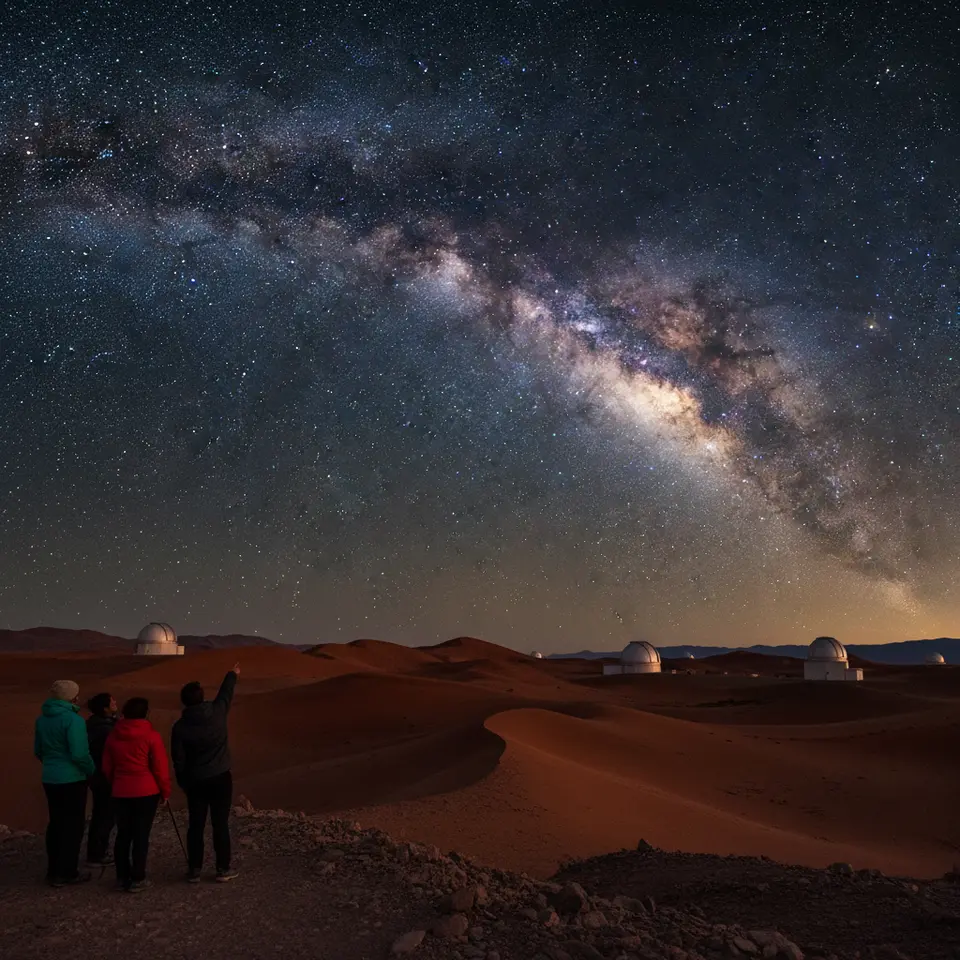
In today’s fast-paced world, it’s easy to forget that the night sky once served as humanity’s oldest map, calendar, and source of myth. Light pollution, however, has obscured this natural heritage for most people. By seeking out designated dark sky travel spots, you re-engage with a view that generations of our ancestors took for granted. These areas, often protected by local or international regulations, enforce strict lighting ordinances and shield their surroundings from intrusive glare.
Beyond simply witnessing a brilliant Milky Way, visiting a certified dark sky region offers mental and physical benefits. Studies by institutions such as the National Aeronautics and Space Administration suggest that exposure to pristine night environments can reduce stress, improve sleep patterns, and deepen our connection to natural rhythms. Many dark sky parks also support educational programs, allowing visitors to deepen their understanding of astronomy through guided talks and hands-on telescopic sessions.
Conservation is another driving principle behind dark sky travel spots. By advocating for responsible lighting and community awareness, these locations help safeguard nocturnal wildlife. Animals like bats, owls, and certain insects depend on darkness for feeding and navigation. Minimizing artificial light at night supports biodiversity and ecological balance—benefits that extend beyond the stargazing experience.
Finally, for photographers and artists, capturing the night sky in an environment free from competing light sources is nothing short of transformative. The contrast between sharp celestial details and shadowed landscapes creates dramatic compositions that resonate with audiences on social media and in galleries. Whether you’re pursuing long-exposure shots of star trails or seeking crisp planetary images, the clarity found at top-tier dark sky travel spots elevates your work to professional quality.
Top Dark Sky Travel Spots Around the Globe
Choosing where to journey matters as much as the preparation itself. Here are some standout dark sky travel spots that consistently earn top marks for clarity, accessibility, and conservation efforts:
Atacama Desert, Chile
Perched at altitudes exceeding 2,500 meters and boasting near-zero humidity, the Atacama Desert offers some of the world’s clearest and driest nights. Observatories here—such as the Paranal Observatory—invite visitors to participate in guided tours. The desert’s vast, barren landscape provides an unobstructed horizon, making it ideal for panoramic shots of the Milky Way.
NamibRand Nature Reserve, Namibia
This pioneering African dark sky park features rolling dunes and sparsely populated surroundings. Certified by the International Dark-Sky Association, NamibRand enforces a strict lighting policy that ensures uninterrupted views of the southern skies. Stargazing camps here often include expert-led sessions where you can learn to identify constellations like Scorpius and the Southern Cross.
Flagstaff, Arizona, USA
As the world’s first International Dark Sky City, Flagstaff maintains rigorous outdoor lighting standards that preserve its celestial showcase. Home to the Lowell Observatory—where Pluto was discovered—this city offers night tours, astrophotography workshops, and seasonal events. Nearby, the Grand Canyon’s rim adds a dramatic foreground to your skyward compositions.
Kiruna, Sweden
Located above the Arctic Circle, Kiruna provides not only stellar views but also the chance to witness the aurora borealis. During the darkest months, polar nights last longer, extending prime viewing windows. Accommodations often feature glass-roofed igloos or cabins that let you stargaze from the comfort of your bed.
Aoraki Mackenzie, New Zealand
This southern hemisphere dark sky reserve encompasses sprawling alpine terrains and lakes that mirror the night sky. Recognized for its low rainfall and minimal light intrusion, Aoraki Mackenzie invites visitors to join stargazing tours that combine Māori cultural storytelling with scientific observation.
Best Timing for Stargazing Expeditions
Even at a world-class dark sky travel spot, timing your visit is crucial. The interplay of lunar phases, atmospheric conditions, and seasonal cycles dictates how vivid your celestial panorama will appear.
Lunar Phases
The new moon phase offers the darkest nights because the moon’s illuminated side faces away from Earth. Around this time, star visibility peaks, enabling you to see faint objects like globular clusters and distant galaxies. Use astronomy apps or resources from NASA’s website to track monthly lunar calendars.
Dry Seasons and Low Humidity
Moisture in the air scatters light and reduces clarity. Research by NOAA indicates that regions with arid climates—such as deserts or high-altitude plateaus—consistently provide sharper starlight. Check historical weather data for your target destination and plan around its driest months.
Winter Conditions
In many northern and southern latitudes, colder air holds less water vapor, resulting in crisper, more transparent skies. If your dark sky travel spots are located in temperate zones, traveling during the local winter season can yield exceptional results. Bundle up and anticipate chilly evenings, but rest assured that the payoff in visibility is significant.
Avoiding Light Pollution Events
Festivals, outdoor concerts, and heavy tourism can introduce unexpected light sources. Before finalizing dates, check with local park authorities or government tourism boards to ensure no large-scale events coincide with your stay. Resources like government-managed tourism sites often publish event calendars well in advance.
Essential Equipment for Capturing the Cosmos
Equipping yourself properly can transform casual stargazing into a professional-grade experience. Below is a checklist of items that combine portability, durability, and optical performance:
Telescope or Binoculars
A mid-range Dobsonian telescope offers an excellent balance between magnification and ease of setup. If weight is a concern, high-quality binoculars (7×50 or 10×50) can still reveal lunar craters, satellites, and bright star clusters. Institutions like the Harvard-Smithsonian Center for Astrophysics provide guides on selecting the right optics.
Sturdy Tripod and Mount
For astrophotography, a vibration-free mounting system is essential. Even minor shakes can ruin long exposures. Choose a tripod made from carbon fiber or aluminum, and pair it with a motorized equatorial mount if you plan to track celestial motion.
Camera with Manual Controls
DSLR or mirrorless cameras with bulb mode let you experiment with exposure lengths. Set your ISO between 1600 and 3200, and use a wide-angle lens (14–24 mm) to capture sweeping sky vistas. Remember to remove any UV or IR filters for max light intake.
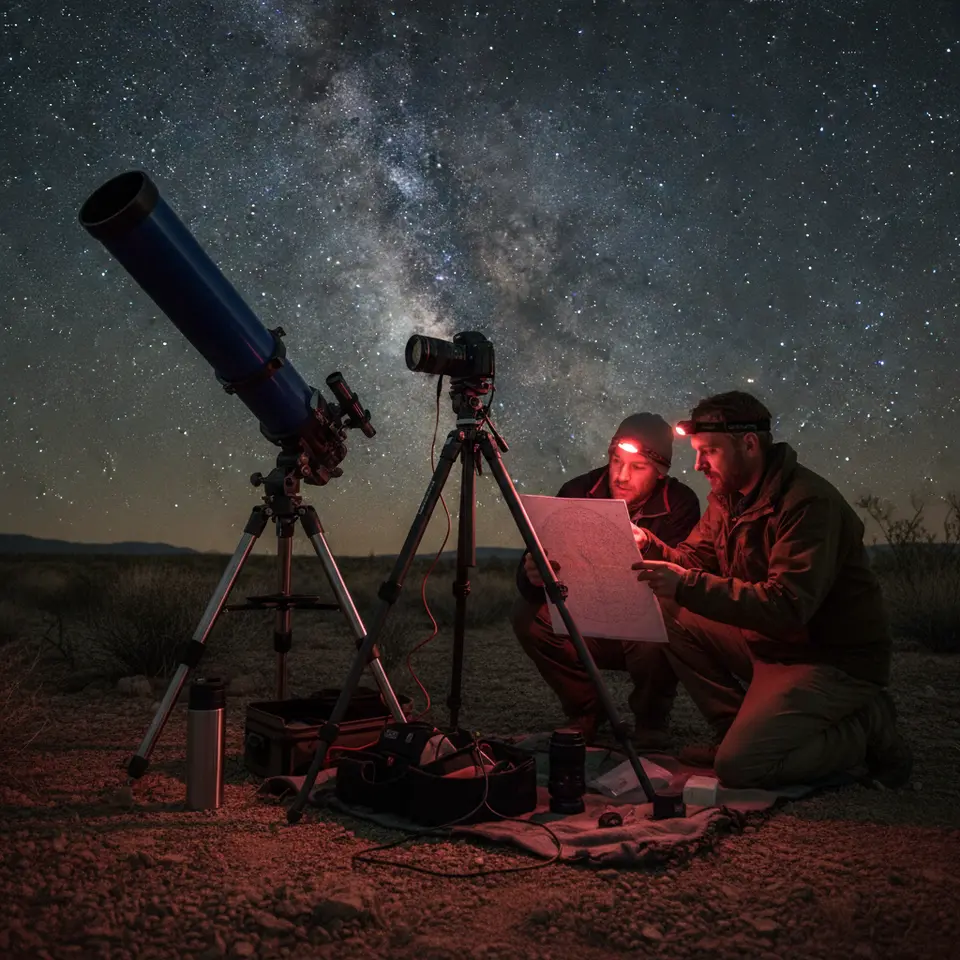
Red Light Headlamp and Star Charts
Maintaining night vision is critical. A red-filter headlamp allows you to reference printed star charts or adjust gear without washing out your sight. Many travelers use smartphone apps alongside laminated maps for redundancy.
Warm Clothing and Camping Gear
Extended observation sessions can become uncomfortable in cold conditions. Layered clothing, thermal socks, and insulated tents or sleeping bags can make all the difference. Some dark sky parks offer heated observation decks or communal shelters—check availability when booking.
Planning an Unforgettable Itinerary for Dark Sky Adventures
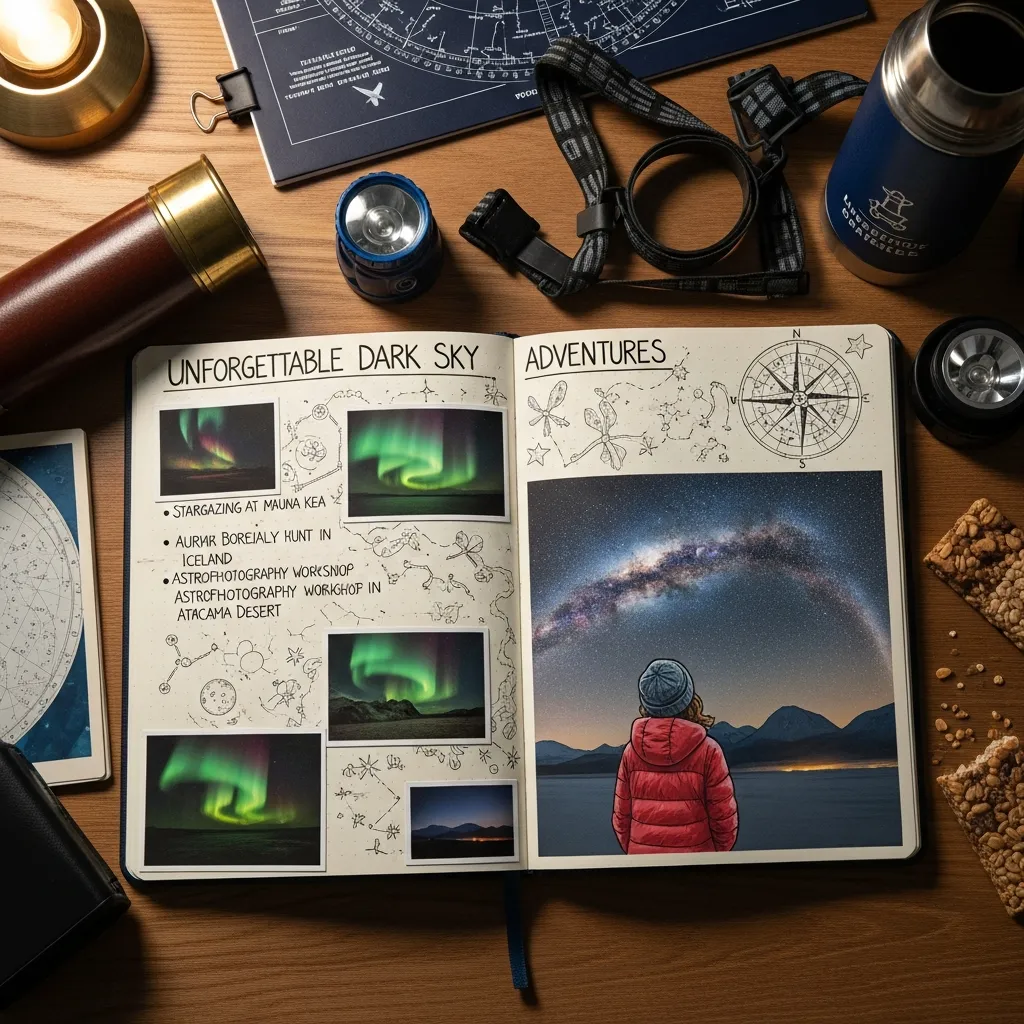
Securing a spot at premier dark sky travel spots often requires thoughtful planning. Follow these steps to streamline your journey and minimize surprises:
Research and Certification
Start by consulting the International Dark-Sky Association’s directory to identify certified locations. Government tourism boards and university astronomy departments often publish visitor guidelines. Compile a shortlist based on factors like accessibility, amenities, and local regulations.
Booking Guided Tours
Many parks offer expert-led astronomy sessions that include telescope setups, constellation identification, and astrophotography tips. Advance reservations are recommended, especially during peak stargazing windows around new moons. Tour operators affiliated with national parks or universities often provide additional educational content.
Accommodation Selection
Staying as close as possible to the observation site reduces travel time and light intrusion. Look for lodges or campsites that enforce strict dark sky policies and provide blackout curtains or sheltered viewing areas. Some regions even offer star camps where participants share facilities and knowledge.
Daytime Activities
Balance your itinerary with scenic hikes, cultural tours, or wildlife safaris. In places like Namibia or Chile, daytime excursions reveal unique geological formations and endemic flora. Combining terrestrial and celestial experiences enriches your overall adventure.
Logistics and Weather Monitoring
Reliable internet or local radio stations can provide hourly weather updates. In remote areas, consider carrying a satellite communicator. Pack sufficient food, water, and medical supplies in case of unexpected delays. By planning contingencies, you’ll ensure that clear skies aren’t jeopardized by avoidable obstacles.
Conclusion
Embarking on a journey to premier dark sky travel spots offers more than a chance to peer through the universe’s vast expanse—it’s an opportunity to reconnect with nature, support environmental conservation, and create lifelong memories. By understanding the importance of light pollution mitigation, selecting destinations renowned for stellar clarity, planning your timing around lunar cycles and weather patterns, equipping yourself with the right tools, and crafting a thoughtful itinerary, you’ll transform your astronomical aspirations into reality. In today’s world, where stars are often hidden behind urban glare, dedicating time to explore protected nocturnal environments becomes an act of both adventure and stewardship. So pack your gear, chart your course, and prepare to experience the cosmos in all its unfiltered splendor at a dark sky travel spot near you this year.
Frequently Asked Questions
1. What are Dark Sky Travel Spots?
Dark Sky Travel Spots are destinations with very low light pollution, allowing visitors to enjoy clear views of stars, planets, constellations, and the Milky Way. These places are ideal for stargazing and astrophotography.
2. Why are Dark Sky Travel Spots popular among travelers?
Dark Sky Travel Spots attract travelers because they offer unique nighttime experiences, peaceful natural surroundings, and incredible opportunities for astronomy, photography, and outdoor adventure.
3. When is the best time to visit Dark Sky Travel Spots?
The best time to visit Dark Sky Travel Spots is during the new moon phase and in dry seasons when skies are clearest and free from excess atmospheric moisture.
4. What should I pack for Dark Sky Travel Spots?
For Dark Sky Travel Spots, pack warm clothing, a tripod, binoculars or a telescope, a DSLR or mirrorless camera, a red light flashlight, power banks, and star map apps.
5. Are Dark Sky Travel Spots suitable for beginners?
Yes, Dark Sky Travel Spots are perfect for beginners. Many destinations offer guided stargazing tours, astronomy workshops, and beginner-friendly telescope sessions.
6. Which countries have the best Dark Sky Travel Spots?
Some of the best Dark Sky Travel Spots can be found in Chile, Namibia, New Zealand, the United States, Iceland, and Australia due to their low light pollution and ideal viewing conditions.
7. How do Dark Sky Travel Spots help the environment?
Dark Sky Travel Spots promote reduced light pollution, which helps protect wildlife, conserve energy, and preserve natural ecosystems while encouraging sustainable tourism practices.
8. Can I photograph the Milky Way at Dark Sky Travel Spots?
Yes, Dark Sky Travel Spots are among the best locations for Milky Way photography because of their dark skies, minimal artificial lighting, and excellent visibility conditions.
9. Are guided tours available at Dark Sky Travel Spots?
Many Dark Sky Travel Spots offer guided astronomy tours, telescope viewing sessions, astrophotography workshops, and educational programs led by local experts.
10. What is the difference between a dark sky park and a dark sky reserve?
A dark sky park usually protects a specific public area like a national park, while a dark sky reserve includes a larger protected region where communities and organizations work together to reduce light pollution.
11. How can I find certified Dark Sky Travel Spots?
You can find certified Dark Sky Travel Spots through organizations like the International Dark-Sky Association, which maintains directories of approved parks, reserves, and communities worldwide.
12. Why are Dark Sky Travel Spots important for astronomy tourism?
Dark Sky Travel Spots support astronomy tourism by providing ideal conditions for observing celestial events, attracting photographers and travelers, and raising awareness about the importance of preserving natural night skies.



Leave a Reply